
+91-9240214610 (Bandra)
+91-9240214611 (Kandivali)





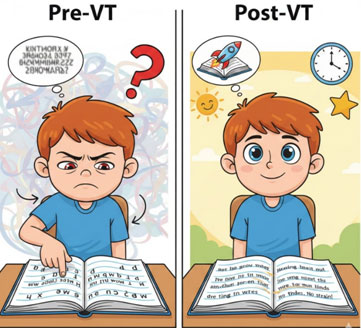
At Ojas Eye Hospital, we understand that "seeing well" means more than simply reading an eye chart. True vision involves a complex interplay between your eyes and your brain. When this intricate system isn't working optimally, it can impact everything from your child's performance in school to your comfort at work and your overall quality of life.
That's where Vision Therapy comes in. Think of it as a personalized "workout program" for your visual system. Under the guidance of our expert team, vision therapy uses a series of tailored exercises and activities to retrain your eyes and brain to work together more efficiently, correcting visual problems that glasses alone cannot fix.
Explore how Ojas Eye Hospital's comprehensive Vision Therapy programs can help you or your loved ones achieve clearer, more comfortable, and more effective vision.
What it is: Non-strabismic binocular vision dysfunction refers to a range of conditions where the eyes do not work together effectively as a team, even though they appear straight. This can lead to significant discomfort and visual fatigue without any obvious misalignment. Common symptoms include eyestrain, headaches, blurry vision, difficulty concentrating, and even occasional double vision.
Benefit of the Vision Therapy: Our targeted therapies focus on improving the coordination, efficiency, and comfort of your binocular vision.
Potential Impact: Reduced headaches and eyestrain, improved reading fluency, better concentration, and enhanced comfort during visual tasks.
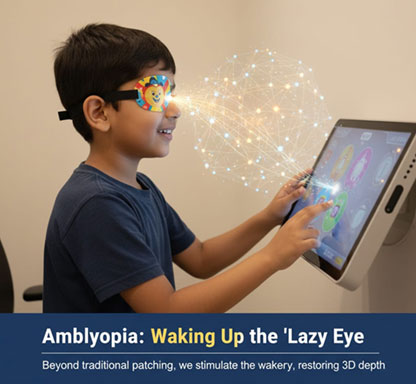
What it is: Amblyopia, commonly known as "lazy eye," occurs when the brain favors one eye over the other, leading to reduced vision in the weaker eye. This usually develops in childhood and, if left untreated, can result in permanent vision loss in the affected eye. Traditional treatments often involve patching the stronger eye, but vision therapy goes further.
How Vision Therapy Helps: Our advanced amblyopia programs are designed to actively stimulate the weaker eye and retrain the brain to use both eyes together.
Potential Impact: Significant improvement in visual acuity in the amblyopic eye ability to work binocularly , restored 3D vision, and enhanced overall visual function.
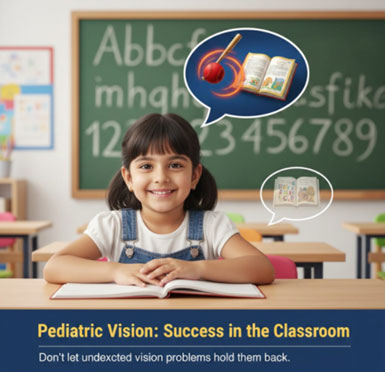
What it is: Many children struggle in school, not because of a learning disability, but due to undetected or unaddressed visual processing difficulties. These functional vision problems can make reading, writing, and concentrating incredibly challenging, often leading to frustration and underachievement.
How Vision Therapy Helps: Our programs identify and correct the visual inefficiencies that directly impact learning, empowering children to reach their academic potential.
Potential Impact: Improved reading speed and comprehension, better handwriting, enhanced concentration, reduced homework time, and increased confidence in school.
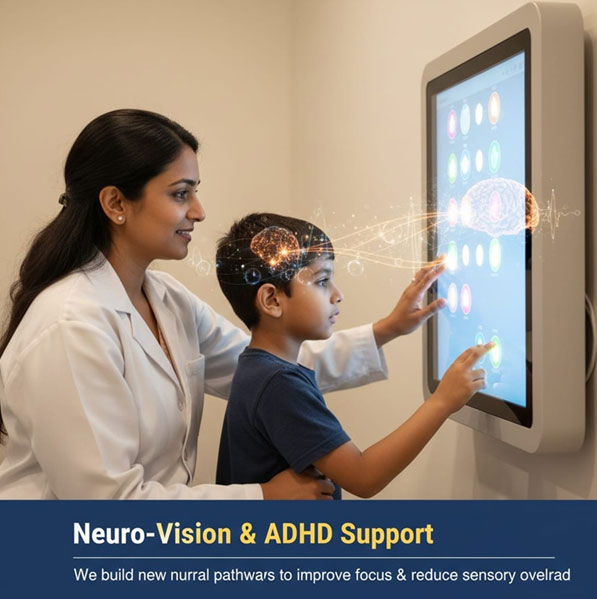
What it is: Vision is intrinsically linked to the brain.For individuals with neurological conditions, developmental delays, or acquired brain injuries, vision therapy plays a crucial role in improving visual processing, spatial awareness, and overall interaction with their environment. Our specialized approach addresses the unique visual challenges presented by these conditions.
How Vision Therapy Helps: We tailor neuro vision therapy to enhance specific visual skills that are often impacted by neurological differences.
Potential Impact: Improved visual processing, enhanced attention and focus, reduced sensory sensitivities, better spatial orientation, and increased functional independence.
What it is: In our increasingly digital world, prolonged use of computers, smartphones, and tablets has led to a common condition known as Computer Vision Syndrome (CVS), also called Digital Eye Strain. Symptoms typically include eye discomfort, fatigue, and headaches, directly resulting from the intense demands placed on our visual system by screens.
How Vision Therapy Helps: Our specialized programs equip your eyes to handle the demands of digital devices more comfortably and efficiently.
Potential Impact: Greater comfort during screen time, improved productivity, reduced eye dryness and irritation, and fewer tension headaches.
At Ojas Eye Hospital, we are committed to providing the highest standard of personalized eye care.
Contact Ojas Eye Hospital today to schedule a comprehensive Vision Therapy evaluation and take the first step towards unlocking your full visual potential.
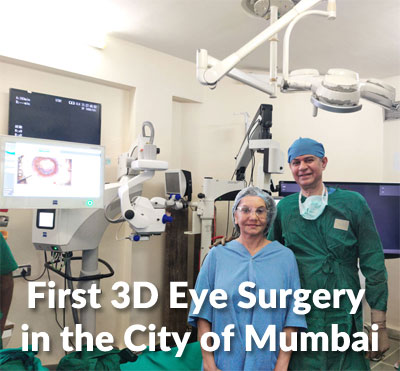
With the growing age and multiple times facing the problems of blurred vision, the need of doing an eye check up did arouse. I visited Ojas Eye hospital for the tests and soon I was diagnosed with the eye disease called Cataract. My mind was baffled with questions. Friendly approach of Dr.Dedhia, in Pre and post operations, was truly supporting. The advanced eye correction equipment did ensure the rest. My cataract operation is successful and at present I am blessed with clear vision.
DEAR DOCTOR DEDHIA & ALL AT LASER EYE CENTER ;
It is been a wonderful experience to know you all and also to be treated by such a friendly and excellent team of professionals. What you all have done for me is just inexplicable all can say is "Thank you so much" for doing this wonder on my eyes. It really feels great to have an aid less vision. May God bless all of you all health and happiness and wish you all the very best for your work!
Dr. Nitin Dedhia is my family's eye specialist since long time. My grandmoms cataract surgery was done by him around 20 years ago. She is still having very good eyesight at 90. I too have have done my lasic around a week ago and now able to see everything without specs. Would like to advice Dr Dedhia Sir for any of your complaints regarding eyes. The all staff are well trained and cooperative. Good infrastructure too. would thank everyone there.
It was a good experience with Dr. Dedia. He is very particular about cleanliness which I liked. The staff too were quick and courteous.I am also impressed with Dr. Hardik who has explained to me in detail. And Greta too is a very efficient receptionist. Thank you all the staff for not keeping me waiting.

