Call us

+91-9240214610 (Bandra)
+91-9240214611 (Kandivali)


  • JAS-ANZ Accredited Certification
  • ICS Certified
  • NABH Certified Eye Hospital in Mumbai
Ojas Eye Hospital in Bandra, Kandivali, Mumbai

Category: Diabetic Retinopathy

How Young Diabetics Can Prevent Early Retinal Damage?

As diabetes rises among young Indians, experts urge early eye check-ups, good sugar control, and antioxidant-rich diets to prevent diabetic retinopathy and protect long-term vision.

Diabetes is becoming a major health issue in India, and it is increasingly affecting the younger population. According to the ICMR–India Diabetes 2024 study, every sixth diabetic adult in India is under the age of 40. Early onset of the disease is associated with several long-term health risks. One of the most overlooked complications is damage to the retina, a condition medically known as diabetic retinopathy.

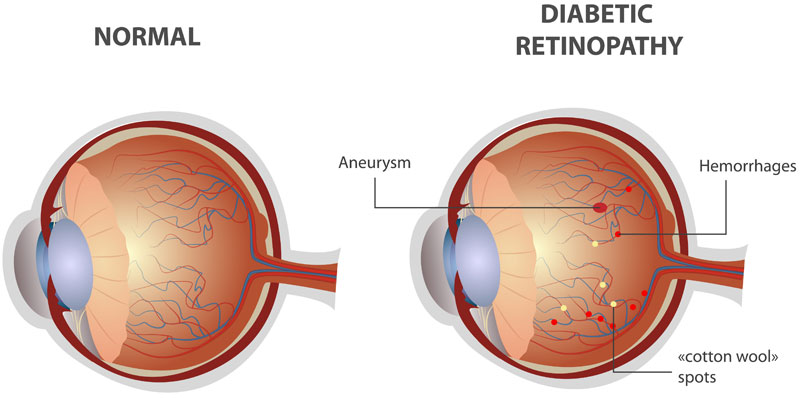
This occurs when fluctuations in blood sugar levels damage the small blood vessels in the retina, the light-sensitive part of the eye causing bleeding, swelling, or even the formation of abnormal new blood vessels. If left undetected, the condition can progress silently to the point of total vision loss. This is particularly concerning for young diabetics, who, due to the longer duration of their disease, are exposed to the risk for a much longer period.

According to Dr. Rohan N. Dedhia, Retina, Cataract and Refractive Surgeon, Ojas Maxivision Eye Hospitals, “The retina is one of the most sensitive and intricate structures in the eye, but sadly, it’s also the one that gets affected by diabetes first. Diabetic retinopathy progresses without any visible symptoms. High blood sugar levels weaken the walls of the tiny vessels supplying the retina, causing damage that is often irreversible. Young diabetics must realize that the earliest retinal changes may remain hidden for years, regular eye check-ups and strict blood sugar control are essential. If we save the retina today, we preserve good vision for tomorrow.”

Why Retinal Damage Happens Early

For the retina to function properly, it requires a constant supply of oxygen and nutrients. Continuous high glucose levels weaken the retinal walls and block the capillaries, reducing the oxygen supply to the light-sensitive cells. According to the All India Ophthalmological Society (AIOS) 2025, about 12–15% of Indians under 40 with diabetes already show early signs of retinopathy.

The damage begins subtly often without noticeable symptoms and by the time vision becomes blurry, much of the harm is already permanent.

Modern lifestyle habits add to the risk: irregular meals, processed foods, prolonged screen time, and chronic stress all increase oxidative stress in the retina. Co-existing conditions such as high blood pressure, high cholesterol, and smoking further aggravate retinal vessel damage.

Preserving Sight Through Daily Habits

Preventing retinal damage primarily requires good blood sugar control and a disciplined lifestyle. Maintaining HbA1c levels below 7%, adhering to prescribed medication, and avoiding sudden spikes in blood glucose can significantly delay complications.

Diet plays a major role: green leafy vegetables, citrus fruits, fish, flaxseeds, and walnuts provide antioxidants, omega-3 fats, and vitamins that help repair retinal tissue and protect it from free radicals. Replacing refined carbohydrates with whole grains and millets supports better glucose metabolism and stabilizes sugar levels.

Preventive Monitoring

Regular physical activity promotes better blood circulation, ensuring oxygen and nutrients reach the retina effectively. Staying hydrated and getting 7–8 hours of quality sleep each night helps reduce vascular strain.

Most importantly, annual retinal examinations should begin immediately after a diabetes diagnosis. Early retinal changes can be detected through fundus photography or OCT scans, allowing timely intervention. Treatments such as laser therapy or anti-VEGF injections can halt disease progression and preserve vision.

For India’s young diabetics, vision care must be an integral part of diabetes management from the start. The retina is often described as a window to overall health, it reflects the body’s response to long-term blood sugar and lifestyle patterns.

Diabetic retinopathy doesn’t appear suddenly when vision blurs; it develops quietly through years of neglect. With awareness, proper nutrition, and regular eye check-ups, young diabetics can protect not only their eyesight but also their overall quality of life.

What is diabetic retinopathy and can it be cured? Causes, Symptoms & Treatment Options

Diabetes, one of the most challenging health conditions that continue to be a major concern, doesn’t just affect our overall health but has a serious impact on our eyes as well. With significant risk of triggering diabetic eye disorders, diabetes, if not managed properly, can lead to significant vision loss or absolute blindness.

Highlighting major causes of diabetic eye problems as well as the symptoms to watch out for, this article focuses on effective prevention and treatment of diabetic eye disorders to help you take the right call on when to consult an expert Ophthalmologist

It is important for diabetic patients to undergo regular annual eye check ups to diagnose any signs of diabetic problems in the eye at an early stage thus enabling early treatment and good results.

What are the major eye problems caused by diabetes?

Diabetic retinopathy, macular edema, progression of cataract and glaucoma are some of the major eye problems caused by diabetes. These can lead to vision loss and even blindness if not diagnosed and treated on time.

What is Diabetic Retinopathy?

Having become a leading cause of irreversible blindness in adults, Diabetic Retinopathy remains a critical condition in which high blood sugar level causes damage to small blood vessels in the retina, causing leakage of fluid into the retina and resulting in loss of vision. Classified based on the nature of the condition, Early or Non-Proliferative Diabetic Retinopathy, and Advanced or Proliferative Diabetic Retinopathy are the two types of Diabetic Retinopathy.

Some of the major symptoms of Diabetic Retinopathy you should be concerned about:

  • Blurred vision
  • Dark spots in the vision
  • Color defects in vision
  • Complete vision loss
  • Dark threads or spots floating (floaters) in front of vision

What are the best treatment options for Diabetic Retinopathy?

Treatment of diabetic retinopathy has the following options:

  • Keeping blood glucose levels under control
  • Laser treatment or photocoagulation
  • Injections of medications into the eye (antiVEGF or steroid medications)
  • Vitrectomy surgery in more advanced cases to prevent or reduce vision loss

What is the link between Glaucoma and Diabetes?

Yet another common eye condition that puts diabetic patients at greater risk of peripheral vision loss and even complete blindness, Glaucoma refers to the damage to optic nerve due to increased pressure within the eye. Making patients even more prone to complications and vision problems, diabetes is considered as one of the major factors for advanced Glaucoma.

Key symptoms to watch out for diabetes-related Glaucoma

  • Eye pain
  • Red eyes
  • Nausea
  • Halos around lights
  • Loss of peripheral vision

What are the treatment options for Glaucoma?

  • Anti-glaucoma medication (eye drops and tablets)
  • Laser procedures like iridotomy
  • Trabeculectomy surgery
  • Minimally invasive glaucoma surgery (MIGS)
  • Cyclophotocoagulation

Does Diabetes Cause Cataracts?

A common eye problem in patients with diabetes, cataracts remain one of the biggest factors behind the damaging impact on eye lens as they get cloudy or foggy, resulting in blurry or hazy vision. Making patients more likely by two to five times of developing it, diabetes leads to even greater risk for Cataracts even at an earlier age with rapid progression.

Main symptoms of diabetes-induced Cataracts

  • Cloudy vision
  • Light sensitivity
  • Double vision
  • Halos around lights

What are the treatment options for Cataracts?

  • Keeping the blood sugar and blood glucose levels under control in diabetic patients can prevent or slow down the progression of cataracts.
  • Cataract surgery is done to remove the clouded lens and replace it with an artificial lens to restore clear vision.

What is Diabetes-Related Macular Edema? 

Diabetes-Related Macular Edema, is caused due to damaged vessels leaking fluid into the macula (central part of the retina), causing it to swell that primarily leads to distorted and blurred vision.

Key symptoms for Diabetic Macular Edema are:

  • Blurry vision
  • Double vision
  • Dark spots
  • Difficulty seeing colors
  • Difficulty seeing in bright light
  • Distorted or wavy lines are seen

Treatment of macular edema has the following options:

  • Keeping the blood sugar levels under control
  • Anti-VEGF injections
  • Retinal Laser

How to prevent diabetic eye disease?

Controlling blood sugar levels can go a long way in preventing and managing diabetic eye disease.

Here are some of the ways diabetic patients can prevent major eye complications from diabetes:

Controlling diabetes – Timely and calculated management of diabetes by keeping blood sugar levels within the ideal range is the only best way to prevent such eye disorders and complications. By taking a balanced diet, being consistent with exercise, monitoring blood sugar levels regularly and taking the right prescribed medications, patients with diabetes can effectively protect their eyes from serious problems.

Being regular with eye-checkups – As diabetes triggers a range of eye-related complications, regular eye-checkups can help detect early signs of diabetic eye disease and can help patients and the eye specialist to effectively take immediate measures for better treatment.

Manage blood pressure and cholesterol – High blood pressure and cholesterol levels can worsen diabetic eye disease and timely and frequent management by being conscious of your food intake as well as blood pressure can help prevent aggravation of critical eye problems.

Choose healthier living – Maintaining ideal weight, having a balanced nutritious diet comprising fruits, vegetables, and whole grains and staying physically active ultimately help to manage diabetes and protect your eyes.

The Takeaway

As diabetes leads to rapid progression of eye diseases like cataract and glaucoma, it is necessary to control the blood sugar levels strictly. The treatment for diabetic eye problems depends on the type of condition and the extent of damage caused by it.

Diabetic patients must remain consistent with regular eye checkups for identification and timely retina treatment in case of any signs related to Diabetic Retinopathy, or treatment for Glaucoma or Cataract.

As proper management of diabetes coupled with timely eye checkups are the key to prevention of diabetic eye diseases, Ojas Eye Hospital provides expert timely diagnosis and treatment for diabetic eye diseases for effective management and control.

Diabetic Retinopathy: Can It Be Cured?

Overview

Diabetic retinopathy is an eye condition caused mainly in patients with diabetes who have been suffering from this disease for a long time. It is caused by damage to the blood vessels in the tissue at the back of the eye (Retina). It is the leading cause of blindness in developed countries. One of the most common and major causes and risks of diabetic retinopathy is the long duration of diabetes. The small retinal blood vessels get blocked by the high concentration of sugar in the blood for a long time. In response to this, the eyes start to grow new blood vessels. But these new blood vessels are abnormal and fragile, and as a result, the blood leaks from them, causing diabetic retinopathy. However, it does not have any signs in the early stage but can only be detected by regular eye checkups. It can be treated by using different approaches if detected in time.

What Are The Symptoms Of The Diabetic Retinopathy?

Diabetic retinopathy may not show any symptoms in the earlier stages. However, you can experience some signs and symptoms like:

  • Blurred vision.
  • Fluctuation of vision.
  • Loss of vision.
  • Presence of dark area in your vision (black/blind spot in the vision).
  • Presence of floaters. Floaters are the dark spots or strings floating in your visual field.

What Are The Causes Of Diabetic Retinopathy?

The condition can be caused by increase in the level of sugar in the blood. The longer a person has diabetes, the higher his or her chances of developing diabetic retinopathy. It may lead to the blockage of the small blood vessels present in the retina. It eventually stops the supply of blood to the retina.

How Can Diabetic Retinopathy Be Diagnosed?

The condition of diabetic retinopathy can be diagnosed by performing the following tests.

  • Pupillary response: This shows if the response of the pupil to the light is appropriate or not.
  • Visual acuity test: Uses an eye chart to measure how well a person sees at various distances i.e vision testing.
  • Ophthalmoscopy or Fundus photography: Ophthalmoscopy is an examination of the retina in which the eye care professional:
  • looks through a slit lamp bio – microscope with a special magnifying lens that provides a narrow view of the retina, or
  • wearing a headset (indirect ophthalmoscpe) with a bright light, looks through a special magnifying glass and gains a wide view of retina .
  • fundus photography usually captures considerably larger area of fundus and has the advantage of photo documentation for future references .
  • Fundus fluorescein ANGIOGRAPHY: This is an imaging technique which relies on the circulation of fluorescein dye ( coloured agent)  to show abnormalities in blood vessels of retina.
  • Optical coherence tomography ( OCT ). It produces cross sectional images of the retina which can be used to measure thickness of the retina and to analyse its major layers in detail.
  • Peripheral vision: Peripheral vision means side vision. It checks the presence of a blind spot in the vision of the person.

What Are The Risk Factors Associated With The Diabetic Retinopathy?

Some risk factors can increase the chances of getting affected by diabetic retinopathy. They are:

  • Duration of diabetes: The longer a person has diabetes ,the higher his or her chances of developing diabetic retinopathy. Diabetic retinopathy affects up to 80% of those who have had both type 1 and type 2 diabetes for 20 years or more.
  • Blood sugar level: The person with high blood sugar levels is also at great risk of developing diabetic retinopathy. Diabetes is the main reason for this condition.
  • Blood pressure:If the person has been suffering from high blood pressure for a long time, this high blood pressure can increase the pressure in the blood vessels in the eyes. It may cause hypertensive retinopathy. It may eventually lead to diabetic retinopathy if the person also has a high blood sugar level.
  • Smoking: The person who smokes is at greater risk of developing blood vessel related disorders, including diabetic retinopathy.
  • Gestational diabetes: During pregnancy ,diabetic retinopathy may also be a problem for women with diabetes.
  • Obesity: high cholesterol level is also a cause of diabetic retinopathy. So obese person is also at a higher risk.

What Are The Complications Of The Diabetic Retinopathy?

Some of the complications of the diabetic retinopathy are:-

  • Glaucoma: The development of the new blood vessels, may interfere with the flow of fluid in the eyes. As a result, the pressure inside the eye increases and the nerve connecting to the brain is damaged leading to loss of peripheral and central vision.
  • Retinal detachment: The abnormal blood vessels formed in diabetic retinopathy can initiate the growth of some scar tissues in the eyes. In addition, it may cause a pull on the retina and cause the retina to detach from its original attachments.

How Can Diabetic Retinopathy Be Managed?

The treatment options available for diabetic retinopathy are:-

  • Topical medication: There is a little evidence for the role of topical medications in the treatment of macular edema, for example topical non-steroidal anti-inflammatory drugs.
  • Intravitreal Injections: An injection of corticosteroid or intravitreal anti-vascular anti-growth factor (this prevents the growth of new vessels and  scar tissue into the eyes) is injected into the eye of the person. There are good results from multiple doses of intravitreal injections of anti-VEGF drugs
  • Laser surgery: A laser is used in this treatment approach. Laser shrinks the blood vessel that usually causing the retinopathy. A laser is also used to decrease the swelling in the retina.
  • Vitrectomy: Instead of laser surgery, some people require a Vitrectomy to restore vision. A Vitrectomy is performed when there is a lot of blood in the vitreous .It involves removing the blood in the vitreous and replacing it with gas or oil.

Is Your Retina Affected By Persistent High Blood Sugar Levels?

Overview

It is estimated that more than 30 million of the population are living with diabetes in India. And according to estimation, around 7.7 million people have coexistent diabetic retinopathy. That is why this is one of the most widely recognized reason for impaired vision in adults. The spread and effect of diabetic retinopathy have been expanded vastly in recent years. This condition of diabetic retinopathy is caused when wall of blood vessels in the retina get damaged by the increased level of sugar in the blood. These blood vessels can swell and leak and cause the blood flow to reduce and stop.

What Should You Know About Diabetic Retinopathy?

Diabetic retinopathy is associated with diabetes that affects the eyes. This medical condition is triggered by the damage of the blood vessels present in light-sensitive tissues present at the back of the eye in the retina. Initially, diabetic retinopathy might not show any symptoms, or there will be a very mild problem in vision. But, if untreated, this can lead to blindness. This medical condition can be developed in any person suffering from diabetes mellitus type-1 or diabetes mellitus type-2. However, you are more likely to develop eye-related complications if you have had diabetes for a long time. Also, you are susceptible to diabetic retinopathy if your blood sugar level is less controlled.

How Is The Retina Affected By Diabetes ?

The retina is the light detecting part of the eye situated at the back of the eye. The retina requires energy to sense light in the form of oxygen. Due to the blocked path of the blood flow, the amount of oxygen in the blood vessel of the retina is decreased. It causes an oxygen deficient state also known as ischemia. As a result, the retinal cells start to die, and the retina slowly weakens. Diabetes also harms the neurons of the retina. All these events together comprise diabetic retinopathy. Vision impairment caused by diabetic retinopathy may initially affect the focal vision. It occurs due to the filling of fluid in a part of the retina responsible for focal vision. If not treated, diabetic retinopathy can cause sudden loss of vision if there is bleeding inside the eye.

How Can The Diabetic Patients Prevent The Occurrence Of Diabetic Retinopathy?

In recent studies, it is recommended by the Indian Diabetes Association that people who have diabetic retinopathy should always keep their HbA1 level below 7% to prevent possible complications. This is because blood glucose level directly affects the blood vessels present in the eye, especially at the retina. That means that controlling blood sugar levels can help decrease the seriousness and occurrence of diabetic retinopathy.

How Can You Prevent The Loss Of Vision If You Have Retinopathy?

As we have discussed above, the damage to the blood vessels in the retina can lead to a decreased level of oxygen. Decreased oxygen levels in the eye can lead to the generation of a substance known as VEGF. This VEGF causes diabetic retinopathy. But, now we have medicine that binds with the VEGF and prevents harmful effects like diabetic retinopathy. These anti-VEGF medicines are directly administered as injection to the eyes. These can prevent the cause and also decreases the seriousness of diabetic retinopathy. In some high degree of infection where there is bleeding inside the eye, patients may need laser treatment to stop the bleeding.

How Can You Know Whether You Have Diabetic Retinopathy?

  • Diabetic retinopathy can be diagnosed with a comprehensive dilated exam. In this test, an eye drop is administered into the eyes, and then the doctor examines the eye for abnormality from both inside and outside.
  • Optical coherence tomography: A picture of the cross-section part of the eye is taken and then examined. This picture tells the thickness of the retina. In addition, it helps in detecting how much fluid has been leaked into retinal tissues (if any).

Conclusion

If the blood glucose level rises for a long time, it may rupture the fragile retinal blood vessels. It may result in oxygen deficient and eventually lead to a medical condition known as diabetic retinopathy. If not treated at a time, it can lead to loss of vision, but if treatment is started at the initial stage, vision can be corrected, and the patient can lead to a healthy life.

Ojas Eye Hospital A Center of Excellence for Contoura Vision, Femto Bladefree Lasik in Mumbai, India.