Call us

+91-9240214610 (Bandra)
+91-9240214611 (Kandivali)


  • JAS-ANZ Accredited Certification
  • ICS Certified
  • NABH Certified Eye Hospital in Mumbai
Ojas Eye Hospital in Bandra, Kandivali, Mumbai

Category: Ocular Migraines

All You Need To Know About Ocular Migraines, A Strange Eye Symptom

Migraine headaches are often associated with intense pain, but did you know that migraines can also affect your vision? Ocular migraines, also known as retinal migraines or visual migraines, are a peculiar type of migraine that can cause a range of visual disturbances without throbbing head pain.

In this blog, we’ll discuss ocular migraines, exploring their symptoms, causes, and management.

Understanding ocular migraines

Ocular migraines are a unique subset of migraines that primarily affect the visual system. Unlike typical migraines that cause severe headaches, ocular migraines lead to temporary visual disruptions in one eye. These disturbances can manifest as flickering lights, zigzag lines, blind spots, or shimmering stars. Although unsettling, ocular migraines usually resolve on their own within 20 to 30 minutes.

Symptoms to look out for

The hallmark of ocular migraines is their impact on vision. Individuals experiencing an ocular migraine might notice:

  • Visual distortions: Zigzag lines, wavy patterns, or flashing lights can obscure parts of your visual field.
  • Blind spots: Temporary blind spots, also known as scotomas, can appear in your vision.
  • Shimmering or sparkling lights: Some people describe seeing twinkling lights, similar to stars or fireworks.
  • Hemianopia: A sensation of half-vision loss in one eye, often described as a curtain falling over part of the visual field.

While these visual symptoms can be alarming, they usually subside relatively quickly and are typically painless.

Possible causes

The exact cause of ocular migraines is still debated within the medical community. However, it is believed that they may be triggered by similar factors that lead to traditional migraines, such as stress, hormonal changes, certain foods, a lack of sleep, or specific environmental factors. Ocular migraines are often considered harmless and don’t usually require immediate medical attention.

Seeking medical attention

While ocular migraines themselves are generally not a cause for alarm, it’s important to differentiate them from other serious conditions that can also cause sudden visual disturbances. If you experience new or severe visual symptoms, it’s crucial to consult an eye care professional or a healthcare provider to rule out any underlying issues.

Managing Ocular Migraines

Managing ocular migraines often involves addressing triggers and adopting healthy lifestyle habits:

  • Identify triggers: Keeping a journal to track potential triggers like stress, certain foods, or a lack of sleep can help you avoid these factors.
  • Healthy lifestyle: Regular exercise, proper hydration, and balanced nutrition can contribute to overall well-being and possibly reduce the frequency of migraines.
  • Stress management: Techniques like meditation, deep breathing, and yoga can help alleviate stress, which is a common trigger.
  • Stay hydrated: Dehydration can exacerbate migraine symptoms, so ensure you’re drinking an adequate amount of water throughout the day.
  • Regular sleep patterns: Maintaining a consistent sleep schedule can play a significant role in migraine prevention.

Conclusion

Ocular migraines may be strange and unsettling, but they are usually harmless and short-lived. If you experience visual disturbances, it’s essential to consult a healthcare professional to rule out any underlying issues. By understanding potential triggers and adopting a healthy lifestyle, you can take steps to minimize the occurrence of ocular migraines and promote overall eye health. Remember, your eyesight is precious, and being vigilant about your visual well-being is key to a brighter, clearer future.

Schedule an appointment at Ojas – Eye Hospital

At Ojas Eye Hospital in Mumbai, we have experts who can help treat ocular migraines that impact your visual activities. We are dedicated to delivering the highest quality care to address all issues associated with this condition, as we deeply value the importance of your precious eyes.

Ocular Migraine: Symptoms, Prevention, And Management

Ocular migraines

Introduction

Ocular migraine affects the vision. The visual disturbances are temporary and in almost all cases there is no permanent harm to vision. Symptoms include seeing a blind spot and temporary vision blackouts in one eye. Ocular migraines may be caused due to spasm in blood vessels supplying blood to the retina. Ocular migraines may or may not be accompanied by headaches.

Ocular Migraine

An ocular migraine is a subtype of migraine. It results in a temporary loss of vision. An ocular migraine is rare but when it occurs significantly reduces the quality of life. Unlike the typical symptoms of migraine, ocular migraine may not have headaches or eye pain. In serious cases, it may result in temporary blindness.

People who have migraines are at increased risk of developing an ocular migraine. Patients with ocular migraine find difficulty in performing routine tasks during the episodes of ocular migraine. However, the condition is temporary and is not considered serious. Ocular migraine, especially for the first time, leads to anxiety. Increased levels of anxiety further exacerbates ocular migraine attack.

Symptoms Of Ocular Migraine

Symptoms vary from patient to patient and depend upon the extent of severity of ocular migraine. Following are some of the symptoms that are experienced by the patients with ocular migraine:

  • Blindspot that usually starts with a small dot but gradually becomes bigger. Blindspot generally occurs in one eye and affects the central vision.
  • Temporary vision loss
  • In severe cases, temporary vision loss may be in one or both the eyes.
  • Flashing lights in one eye.
  • May or may not be accompanied by headaches.

Visual Migraine Vs Ocular Migraine

Visual migraine and ocular migraine are two different conditions. Both have different symptoms. While ocular migraine generally affects one eye, the visual disturbances with visual migraines are usually experienced in both the eyes. To check whether you have an ocular or visual migraine, check your vision by covering one eye at a time. If visual disturbances are experienced in one eye, you probably have an ocular migraine and if it affects both the eyes, it is visual migraine.

Although the symptoms of both types are similar, visual migraine may have following unique symptoms:

  • Blind spots that are flickering and migrate in the visual field.
  • Wavy and zig-zag light
  • Migraine aura
  • May be accompanied by a migraine headache

Causes Of Ocular Migraine

Why ocular migraine occurs and why it lasts for a certain period remains unknown. However, various studies are done to find how ocular migraine occurs.

An ocular migraine is believed to be caused due to the activation of a system that results in the release of inflammatory mediators deep inside the brain. There is a change in the flow of blood inside the eye during an ocular migraine. This altered blood flow is due to the spasm in the blood vessels of the retina. Certain changes also occur in the nerve cells of the retina.

Ocular migraine also has a genetic impact. Many patients with ocular migraines have a family history. The common triggers that can initiate ocular migraines include glaring lights, strong odours such as perfume or smoke, stress, poor sleep, and eating specific ingredients such as artificial sweeteners and caffeine.

Prevention Of Ocular Migraine

You can prevent ocular migraines by identifying and avoiding the triggers. Make a note or activities you were doing before the start of a migraine. This will help you in identifying and avoiding the triggers.

Take proper sleep and reduce the stress by various stress-reducing techniques. Eat a healthy diet and avoid directly looking at glaring or flickering lights.

Handling Ocular Migraine

You may be prescribed certain medications that will reduce your frequency of ocular migraines. Keep those medications handy. Avoid being in the environment of strong perfume or cigarette smoke odour.

If you are driving and experience symptoms, park the vehicle on the roadside and wait for the symptoms to disappear. Relax and take complete rest during ocular migraine episodes.

Visiting An Eye Specialist

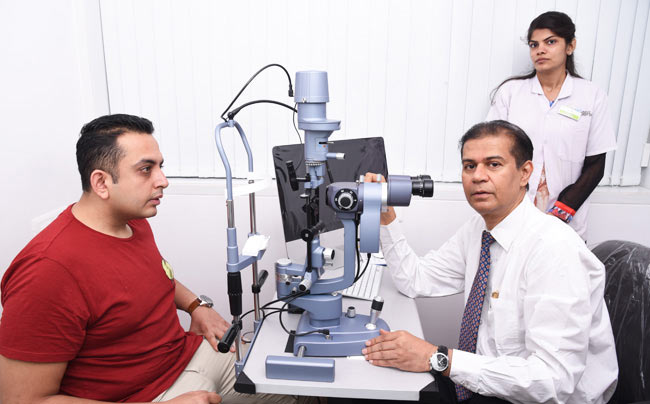
If you experience the symptoms of ocular migraine, book an appointment with the best ophthalmologist near you. The symptoms may be either because of ocular migraine or due to certain other vision-threatening conditions such as retinal detachment. Your ophthalmologists will perform a comprehensive ocular examination to diagnose the exact reason for your symptoms.

Ojas Eye Hospital A Center of Excellence for Contoura Vision, Femto Bladefree Lasik in Mumbai, India.