Call us

+91-9240214610 (Bandra)
+91-9240214611 (Kandivali)

  • JAS-ANZ Accredited Certification
  • ICS Certified
  • NABH Certified Eye Hospital in Mumbai
Ojas Eye Hospital in Bandra, Kandivali, Mumbai

Category: Lasik Eye Surgery

Am I a Good Candidate for LASIK? Know the Exact Criteria Before Choosing the Best LASIK Eye Surgery in Mumbai

If you are searching for clear vision without glasses or contact lenses, LASIK is one of the safest and most effective solutions available today. However, certain criteria must be met before undergoing LASIK, and corneal thickness is one of the most important. The cornea must have enough tissue to safely create a flap. If the remaining corneal bed measures less than 300 microns after the flap is made, LASIK is not considered a suitable option for that patient.

As the demand grows for the best LASIK eye surgery in Mumbai, understanding LASIK eligibility is essential before choosing the procedure. Not everyone qualifies, and the most important factors include age, prescription stability, corneal thickness and the overall health of your eyes.

This detailed article explains who can get LASIK, why corneal thickness plays an essential role, the power limitations for treatment and what options exist for patients with thin corneas. Whether you’re searching for the best LASIK specialist in Mumbai or exploring thin cornea LASIK in Mumbai, this article covers everything you need to know.

What Exactly Is LASIK?

LASIK (Laser-Assisted In Situ Keratomileusis) is a highly accurate laser vision correction procedure that reshapes the cornea of the eye to correct refractive errors.

LASIK corrects refractive errors, such as:

  • Myopia (nearsightedness)
  • Hyperopia (farsightedness)
  • Astigmatism (cylindrical power)

During the LASIK eye surgery process:

  • A thin flap is created on the cornea.
  • A laser reshapes the inner corneal tissue to correct how light focuses on the retina.
  • The flap is placed back, and healing begins almost immediately.

Who Can Get LASIK? Find Out If You’re a Good Candidate

To determine whether you are a suitable candidate, your LASIK surgeon will evaluate several important parameters to assess your LASIK eligibility.

Age requirements

You must be at least 18 years or more in age and have had a stable prescription for 12 months.  And after 40, you may need options like Presby LASIK or PRESBYOND for both distance and near vision.

Stable eye power

Your refractive error should not have changed significantly in the past 6 to 12 months. Unstable power may lead to unpredictable results.

Corneal thickness

Corneal thickness is one of the most important factors in determining LASIK eligibility. If the cornea is thin or shows irregularity, the surgeon may suggest alternative procedures for safer vision correction.

Eye health requirements

You may not be eligible for LASIK if you have conditions such as keratoconus, severe dry eye, cataracts, glaucoma, uncontrolled diabetes, autoimmune disorders or corneal scarring.

Overall health

Your general medical condition also influences LASIK eligibility. Some autoimmune disorders and specific medications can interfere with proper healing after the procedure.

Diopter (power) eligibility for LASIK

LASIK effectively treats:

  • Myopia: – 0.50 to -12.00 D
  • Hyperopia: + 0.50 to + 6.00 D
  • Astigmatism: +/- 0.50 to +/- 6.00 D

If your power exceeds these limits, alternative procedures such as may be recommended.

Why Corneal Thickness Is Important in LASIK?

The cornea normally measures 540 – 560 microns and to qualify for LASIK, you usually need at least 485 microns of corneal thickness. Around 12 – 14 microns are removed per diopter of power correction. LASIK creates a corneal flap, reshapes the tissue and corrects issues like myopia, hyperopia and astigmatism.

Some people naturally have thin corneas, while others develop thinning due to eye rubbing, allergies or dryness. In such cases, safer alternatives like PRK or Phakic IOL implantation are preferred because they don’t require a corneal flap.

What If You Have Thin Corneas?

Many people think that having thin corneas means they can never get LASIK, but that isn’t true anymore. Thanks to modern eye surgery procedures, several safe and effective alternatives can still give excellent vision correction results.

Alternatives to LASIK for Thin Cornea Patients

PRK (Photorefractive Keratectomy)

PRK removes only the surface layer and reshapes the cornea without making a flap, making it ideal for thin corneas. Healing takes 3 – 5 days with temporary blur and discomfort, but vision results are similar to LASIK after a week.

SMILE (Small Incision Lenticule Extraction)

SMILE uses a femtosecond laser to remove a tiny lenticule through a small incision. No flap, fewer nerve disruptions and faster recovery than PRK. It mainly treats myopia and simple astigmatism, not farsightedness.

ICL (Implantable Collamer Lens)

A thin, biocompatible lens is placed behind the iris without touching the cornea, it is fully reversible and ideal for very high power or thin corneas. Since it’s an intraocular procedure, risks like infection, cataracts or increased eye pressure exist, so long-term follow-up is important.

Why Choose Ojas Eye Hospital for the Best LASIK in Mumbai?

LASIK is one of the safest and most effective vision correction procedures today, but only when performed on eligible candidates. Age, stable power, eye health and corneal thickness are the foundations of LASIK eligibility. If your corneas are thin or your power is high, advanced alternatives like PRK, SMILE or ICL ensure you still have excellent options for spectacle-free vision.

Ojas Eye Hospital is renowned for offering the best LASIK eye surgery in Mumbai with world-class technology, advanced diagnostics and the best LASIK eye surgeon in Mumbai. Whether you want the best LASIK or the top treatment for thin cornea LASIK in Mumbai, Ojas provides expert guidance and patient-centric care. With an expert team and state-of-the-art infrastructure, Ojas stands as the best LASIK eye hospital in Mumbai for laser vision correction.

Visit us to see the world with crystal-clear, glass-free vision.

Best LASIK Eye Surgery in Mumbai – Cost, Benefits, Procedure, & Best Hospitals in 2025

Are you sick and tired of putting on glasses or contacts every single day? If you relate to any of these thought processes, let LASIK (Laser-Assisted In Situ Keratomileusis) be your light at the end of the tunnel. Nowadays, medical advances in ophthalmology and laser treatments, LASIK is one of the most commonly performed and safest elective procedures performed for corrective vision around the world. The task of selecting the right hospital for your LASIK needs by 2025 is very easy, as it can be found in Mumbai. This place is famed for medical excellence.

This article is a comprehensive account of the LASIK procedure, its benefits, the cost in Mumbai, the diagnostic and treatment services, and finally, why Ojas Eye Hospital tops the list for LASIK surgery in India.

What is LASIK Eye Surgery?

LASIK, the quick, painless, and safe laser correction surgery, alters the shape of the cornea so that the focused light rays strike properly on the retina. It treats effectively:-

  • Myopia (Nearsightedness)
  • Hyperopia (Farsightedness)
  • Astigmatism

LASIK reduces or eliminates dependency on glasses or contact lenses. The entire procedure, on average, takes 15 minutes per eye, and the majority of patients obtain clear vision without glasses within 24 hours.

How Is the LASIK Procedure Performed?

LASIK is a specialised procedure and is performed in multiple steps:-

  • Cornea Mapping: Before the surgery, the cornea is mapped using advanced technology for topography to know its shape, thickness, and curvature.
  • Creating a Corneal Flap: A thin flap is created on the cornea’s surface with a femtosecond laser or microkeratome blade.
  • Laser Reshaping: The corneal tissue is reshaped using the excimer laser to correct the refractive error.
  • Flap Repositioning: Once the laser treatment is completed, the corneal flap is placed back into its position, and healing occurs naturally without stitches.

Types of LASIK Surgery:

By 2025, LASIK technology will have become more refined and precise. The most commonly practised types include:-

  • Standard LASIK
  • Bladeless LASIK (Femto-LASIK)
  • Custom LASIK (Wavefront-guided)
  • Contoura Vision LASIK
  • SMILE (Small Incision Lenticule Extraction)–Even though it is not technically LASIK, it is an alternative for laser eye correction.

Patients at leading clinics such as Ojas Eye Hospital receive tailored recommendations based on corneal thickness, refractive error, lifestyle, and other eye health parameters.

Advantages of LASIK Eye Surgery

LASIK has provided multiple life-changing advantages:-

  • Better vision-Most patients have 20/25 vision or better
  • Fast recovery-Most can return to normal activities within 1 to 2 days
  • Least discomfort-Anaesthetic drops dull any pain
  • Long-lasting results-Normally permanent
  • Freedom from glasses and lenses-For the active types
  • Extra boost of confidence and appearance

Is it safe to undergo LASIK eye surgery, and who can afford it?

The LASIK procedure is FDA-approved, has been performed on millions of patients worldwide, and has been done successfully since its inception. But it is not for everyone.

Best Candidates for LASIK:

  • Age 18+ with stable vision
  • Free from corneal diseases like keratoconus
  • No history of severe dry eyes or autoimmune conditions
  • Not pregnant or breastfeeding

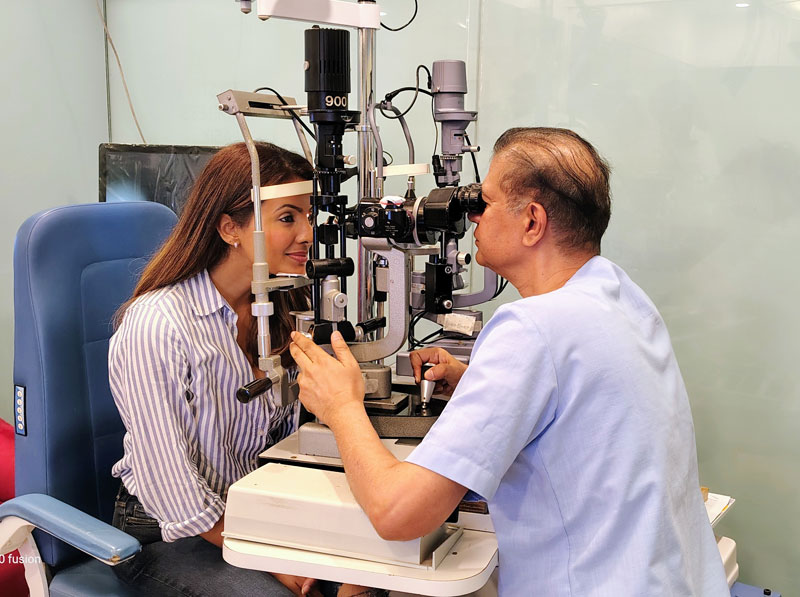
A comprehensive eye evaluation will be required to determine if you are eligible for LASIK.

Pre-LASIK Evaluation: What to Expect

This evaluation usually entails a thorough examination of these basic criteria:-

  • Visual Acuity Test
  • Corneal Topography
  • Pachymetry (corneal thickness)
  • Wavefront Analysis
  • Dry Eye Assessment
  • Pupil Size Measurement
  • Retinal and Optic Nerve Check

Advanced hospitals like Ojas Eye Hospital conduct these tests with high-precision equipment to ensure the best possible outcomes.

Care and Recovery after Surgery

The recovery from LASIK is generally smooth with proper aftercare:-

  • Take prescribed eye drops to prevent infection and dryness
  • DON’T touch or rub your eyes
  • No swimming/makeup for at least one week
  • Protective glasses in dusty conditions
  • Regular follow-up visits

Most patients resume work in 2 to 3 days with greatly improved vision.

Best Eye Hospitals for LASIK Eye Surgery in Mumbai (2025)

Mumbai hosts some advertising LASIK eye surgery hospitals. These are numerous, but very few, along with up-to-date technology, clinical expertise, personalised treatment, and price, are in place. Ojas Eye Hospital is one of them.

Why You Should Choose Ojas Eye Hospital for LASIK Eye Surgery in Mumbai

Ojas Eye Hospital is considered one of the best places in Mumbai to have LASIK surgery. Here is a run-down on why it is a trusted name in eye care:-

Sophisticated LASIK Technologies

Ojas employs the latest Wavefront-guided LASIK, Femtosecond LASIK, Contoura Vision, and Bladeless LASIK technology for the most precise corrections and has the highest focused light delivery, all under one roof.

Full Diagnostic Facilities

Every single test, whether corneal mapping, OCT, topo, pachymetry, or wavefront analysis, is done using globally recognised diagnostic tools in one place.

Focus on Patient Care

Each candidate for LASIK is assessed and treated on a case-by-case basis, with extreme transparency regarding the surgical procedure, its benefits and risks, and the cost involved.

Modern Operating Theatres

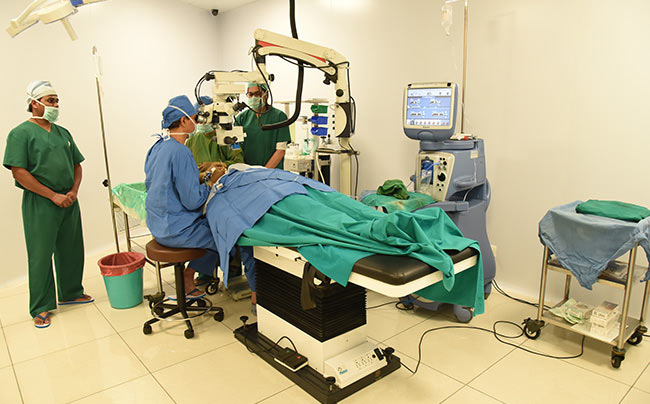
These are equipped with modern, infection-controlled laser suites designed for such surgeries.

Importance Attached to Affordability and EMI Options

They strive for one thing: to see things. LASIK packages are priced reasonably, if not most affordably, stretching the money comfortably far enough for needy patients. Patients have many EMI options, so they decide on the right one based on their financial situation.

Eager Caregivers

The doctor and team are very attentive in giving the support patients need after the treatment, ensuring speedy healing, regular follow-ups, and guidance in recovering.

Spread Across Many Centres in Mumbai

In Andheri, Bandra, Kandivali, and Chembur, Ojas has the most convenient locations in the city.

Concluding Note

LASIK is an aesthetic enhancement and a life-changing investment in sight and quality. LASIK in 2025 is much safer and more effective due to technological advancements, expertise, and case evaluation. For LASIK eye surgery in Mumbai, Trust Ojas Eye Hospital for a conducive treatment, cutting-edge laser treatments, and a laser-thin way from glasses.

Get Your LASIK Check-Up Today.

Visit: www.ojaseyehospital.com

Locations: Andheri | Bandra | Kandivali | Chembur

Call: +91-XXXXXXXXXX

For Clear Vision, Bright Future: Opt for LASIK Surgery in Mumbai Before Your Wedding

Your wedding day is one of the most significant events of your life, filled with moments you’ll cherish forever. Amidst all these excitements, you must expect your vision to be crystal clear, allowing you to fully witness and enjoy all the magical moments. However, if you’ve been using glasses or contact lenses, you may worry about their inconvenience or potential interference with your wedding experience. This is where LASIK surgery comes in, offering a life-changing solution to enhance your vision and confidence.

In this article, we will discuss the transformative impact of LASIK surgery before your wedding, highlighting its benefits in maximizing visual clarity and confidence for your special day.

Understanding LASIK Surgery

LASIK (Laser-Assisted in Situ Keratomileusis) surgery is a revolutionary procedure designed to correct refractive errors such as nearsightedness (myopia), farsightedness (hyperopia), and astigmatism. By reshaping the cornea using advanced laser technology, LASIK aims to improve the eye’s focusing ability, reducing or eliminating the need for corrective eyewear.

Why LASIK Surgery

The procedure is quick, virtually painless, and boasts a high success rate, making it a popular choice for individuals seeking freedom from glasses and contact lenses. The procedure usually takes approximately 10 minutes for both eyes. Many patients commonly describe minimal to no discomfort throughout the procedure.

Benefits of LASIK Surgery Before Your Wedding

Imagine waking up on the morning of your wedding day and seeing the world with clarity, without the hassle of searching for your glasses or inserting contact lenses. LASIK surgery offers countless benefits that can significantly enhance your wedding experience:

  • Visual freedom: Say goodbye to the inconvenience of glasses and contacts. LASIK provides long-term vision correction, allowing you to enjoy clear, unobstructed vision without the need for corrective eyewear.
  • Enhanced confidence: Your wedding day is a time to radiate confidence and beauty. LASIK can boost your self-assurance by giving you the freedom to showcase your natural beauty without the distraction of glasses or the worry of contact lens discomfort.
  • Seamless wedding preparations: From bridal fancy clothes to beautiful makeup, LASIK surgery ensures that you can fully engage in every aspect of wedding preparation with clear vision. Bid farewell to concerns about glasses interfering with your bridal look or contacts causing irritation during your best moments of life.
  • Picture-perfect memories: Capture every precious moment of your wedding day with clarity and precision. LASIK enhances your visual acuity, allowing you to relish every smile, tear, and loving glance without the hindrance of glasses or contact lenses.
  • Lasting investment: LASIK isn’t just a temporary fix; it’s a lasting investment in your vision and quality of life. By undergoing LASIK surgery before your wedding, you’re investing in a future filled with clear, unhindered vision for all the special moments yet to come.

Preparing for LASIK Surgery Before Your Wedding

Before undergoing LASIK surgery, it’s essential to consult with a qualified eye surgeon to determine your candidacy and discuss the procedure in detail. During your consultation, your eye surgeon will evaluate your eye health, refractive error, and overall suitability for LASIK. Factors such as corneal thickness, pupil size, and ocular health will be assessed to ensure optimal outcomes. Once you are considered a suitable candidate for LASIK surgery, your surgeon will provide personalized pre-operative instructions to prepare you for the procedure.

For maximum benefits from LASIK surgery before your wedding, careful planning is essential. It’s advisable to arrange the surgery, ideally one to three months before your wedding day. This timeline permits a smooth recovery, guaranteeing optimal vision for your special occasion.

The LASIK Procedure

SILK eye surgery and Contoura vision surgery are advanced, bladeless procedures that ensure precise, painless correction, offering optimal outcomes and rapid recovery for your eyes.

SILK Eye Surgery in Mumbai

The SILK (Small Incision Lenticule Keratoplasty) procedure is a cutting-edge laser eye treatment technique, known for being both flapless and bladeless. This advanced method utilizes a femtosecond laser to create microscopic bubbles within the cornea and subsequently removes the corneal lenticule, a small piece of corneal tissue, through a small incision. This technique eliminates the need for creating a flap, making the procedure less invasive and reducing the risk of complications associated with flap creation. The SILK procedure offers quick recovery times and precise vision correction. 

Unique Features of The SILK Procedure:

  • Flapless: No flap is created, reducing the risk of flap-related complications.
  • Bladeless: Uses a femtosecond laser, enhancing precision and safety.
  • Minimally invasive: Involves a small incision, promoting faster healing.
  • Quick recovery: Patients usually experience rapid visual recovery and minimal discomfort.

Contoura Vision Surgery in Mumbai

Contoura vision Surgery is another advanced form of LASIK surgery that eliminates the use of a microkeratome, a traditional blade instrument used to create a corneal flap. Instead, Contoura vision is a painless, bladeless laser eye surgery that creates a corneal flap using a Femtosecond laser. The procedure then utilizes an Excimer laser to reshape the cornea to correct refractive errors. This technology ensures highly individualized treatment and optimal visual outcomes.

Unique features of the Contoura Vision Surgery:

  • No microkeratome: The flap is created using a femtosecond laser, enhancing precision.
  • Laser-created flap: Ensures uniformity and reduces the risk of irregular flaps.
  • Customized treatment: Utilizes topography-guided technology for personalized vision correction.
  • Enhanced safety: The bladeless approach minimizes complications and promotes quicker recovery.

Watch the Procedure

Recovery and Results of LASIK Surgery Before Your Wedding

SILK and Contoura Vision surgeries offer rapid visual recovery, with many patients achieving 6/6 vision within 24 to 48 hours. Initial improvements are often seen within hours of the procedure, with vision becoming even more clearer within 10 to 15 days.

As your eyes heal and stabilize, you’ll gradually notice the full benefits of LASIK, including clearer vision and reduced reliance on glasses or contacts. By adhering to your surgeon’s post-operative instructions and attending scheduled follow-up visits, you can optimize your recovery and ensure long-term success.

A Note from Ojas – Eye Hospital

Your wedding day symbolizes the beginning of a beautiful life shared with your partner, family, and friends. By choosing LASIK surgery before your wedding, you’re not only investing in clearer vision but also embracing a newfound sense of confidence and freedom. Imagine the joy of seeing your partner’s loving gaze, the sparkle of your wedding ring, and the beauty of every moment with unmatched clarity and precision. By getting the best LASIK Surgery in Mumbai, you can step into your wedding day with confidence, knowing that your vision is perfect.

At Ojas – Eye Hospital, we understand the importance of your wedding day and the desire for visual perfection. Our team of experienced eye surgeons in Mumbai is dedicated to providing personalized care and state-of-the-art LASIK technology to help you achieve your vision goals. Contact us today to schedule a consultation and take the first step toward maximizing clarity and confidence before your wedding.

Jobs That You Can Do Better After LASIK Eye Surgery in Mumbai

In almost any profession, the use of one’s eyes is essential, but certain careers demand exceptional eyesight. In some occupations, relying on contact lenses or glasses can hinder both performance and eye health. For example, roles like being an army officer or a pilot necessitate a clear, sharp vision for optimal job effectiveness.

Maintaining perfect eyesight without corrective lenses is crucial in such fields, as even minor errors could have significant consequences. Hence, possessing flawless vision without aid becomes a necessity in these kinds of jobs. LASIK surgery emerges as a practical solution for those aiming for careers in such demanding fields, ensuring improved performance and safety.

Hence, if you’re planning on pursuing any of the careers mentioned below, it’s advisable to consider LASIK surgery for your job benefits.

Athletes and sports person: For athletes and sports persons, perfect vision is important for performance and safety during training and competitions. LASIK is the best solution to eliminate the inconvenience of glasses or contacts, allowing athletes to focus on their sport without visual distractions or discomfort. Thus, good eyesight helps athletes achieve a competitive advantage on the field or court.

Pilots and astronauts: Pilots must adhere to regulatory vision standards, while astronauts cannot wear contacts due to ocular changes in space. In the critical environment of aviation, clear vision is essential for the safe and precise navigation of aircraft. Permanent vision correction, like LASIK, is ideal for both groups, ensuring optimal eyesight and thus reducing the dependence on corrective eyewear during flight operations for overall safety in the skies.

Army officers: Clear vision is essential for army officers, but wearing glasses can be challenging and raise safety concerns. They can be lost, damaged, or obstructive in critical situations. LASIK surgery offers a reliable solution, ensuring better vision without depending on glasses or contacts. For army officers, having perfect vision is vital; glasses or contacts can hinder service eligibility. LASIK provides an opportunity to meet strict vision requirements and pursue a career in the armed forces effectively. Thus, considering LASIK surgery is essential for those aspiring to serve their nation in the army, ensuring optimal vision and fulfilling their commitment with confidence and reliability.

Surgeons: Surgeons need precise vision for surgery. LASIK surgery ensures corrected vision, which is crucial for success in this field. It eliminates hindrances caused by glasses or contacts during critical procedures. Surgeons rely on microscopes and precise tools, which eyewear can obstruct. LASIK provides permanent vision correction, vital for uninterrupted focus on providing optimal care to patients without visual distractions.

IT professionals: In the tech-savvy era of information technology (IT), precision and clarity are important. LASIK can eliminate the hassle of glasses or contacts, providing IT professionals with uninterrupted focus on coding, troubleshooting, and analyzing complex systems.

Teachers: In the world of education, effective communication and visual engagement are essential for engaging students and conveying information clearly. LASIK can improve a teacher’s ability to interact with students, read materials, and utilize visual aids in the classroom.

Artists: For artists, visual precision and color perception are essential to their art. LASIK can provide artists with sharper vision and improved color perception, allowing them to create complex designs, paintings, and digital artwork with greater accuracy and detail.

Authors: Authors spend much time reading and writing, which can strain their eyes. LASIK can ease this and enhance vision and detail in writing. LASIK offers a hassle-free solution for authors with vision issues.

Experience Clear Vision: LASIK Eye Surgery in Mumbai at Ojas – Eye Hospital

LASIK eye surgery opens doors to a world of career opportunities by enhancing visual clarity, precision, and comfort in various professional settings. With its proven track record of safety and efficacy, LASIK continues to transform lives and provide new possibilities for professional success and personal confidence.

Experience the unparalleled expertise and cutting-edge technology at Ojas – Eye Hospital for the best LASIK eye surgery in Mumbai. Our renowned specialists ensure precision and safety, delivering top results tailored to your needs. Schedule your appointment today and transform your vision for professional success with Ojas – Eye Hospital, the trusted name in LASIK surgery in Mumbai.

Is Lasik Worth In Your 40s, 50s And Beyond?

Introduction
There are many misconceptions regarding the age criterion for LASIK.

The human eye can never be in the same condition throughout life. It changes continuously and eyeball growth can affect your eye powers. Patients who are under the age of 18 are not eligible for LASIK as their eyes need to have complete growth to stabilize the vision.

People over the age of 40 can have a risk of presbyopia which also needs to be taken care of. There are some myths which say that patients nearing 40 and above cannot undergo LASIK. But the reality is that LASIK has only one age criterion that is patients should be above the age of 18 and under 50. Presbyopics in the age range of 40-50 can also safely undergo LASIK with some adjustments as recommended by your eye doctor.

A lot of patients above the age of 50 want to experience spectacle free vision. LASIK might not be a suitable procedure for you. There are other procedures however which can eliminate your dependency on glasses.

What is LASIK?
Before understanding the eligibility or other conditions, it is important to know about  LASIK. LASIK – “laser-assisted in situ keratomileuses” is the process of reshaping of cornea using a laser. LASIK can be helpful for the following refractive errors:

  • Nearsightedness or myopia
  • Farsightedness or hyperopia
  • Astigmatism
  • Presbyopia: is the condition in which people gradually lose the ability to focus on nearby objects. The condition is common to develop over the age of 40. So if you are having a problem with presbyopia, you have the option for laser surgery and can be a good candidate for LASIK.

Conditions that can disqualify you for LASIK

  • Eye diseases such as cataracts, glaucoma, keratoconus, corneal disease, dry eye syndrome, retinal pathology, lazy eye, eye infections, post traumatic or surgical scars.
  • An unstable eye prescription. You must have a stable prescription for at least 6 months.
  • Pregnant women and breast feeding mothers
  • If the size of the pupil is very large patient can experience glares or halos even after the LASIK surgery.
  • Corneal thickness: The LASIK procedure requires a cut off corneal thickness to withstand the procedure. Patients with low corneal thickness cannot withstand the laser procedure and therefore and not suited to it. There are other options such as phakic lenses or clear lens extraction for such patients.

LASIK in over 40, 50 and beyond
The success of LASIK is overwhelming in the case of myopia, hyperopia and astigmatism and presbyopia. Patients over the age of 40 always have a question that whether LASIK is worth it for them. Such patients have a risk of presbyopia that limits the effectiveness of traditional LASIK but it can be overcome with some minor adjustments as recommended by your eye doctor.

People over 50 have a greater risk of other eye problems which make LASIK an unsuitable procedure for you. You may develop age related cataracts, glaucoma, diabetic retinopathy or have a retinal degenerative disorder known as macular degeneration.

So if you have healthy eyes and do not suffer from any other eye problems and are under the age of 50, LASIK is the procedure of choice for eliminating the need of glasses for you.

So how can you correct your vision or whether or not you have any option other than LASIK. If yes then what?

There is another option for ageing eyes is Refractive lens Exchange (RLE) or Presbyopic lens exchange (PRELEX) that involves the replacement of your natural eye lenses with artificial lenses called trifocal lenses. These lenses will focus light at three different ranges, near intermediate and far and thereby completely eliminate the need of glasses for the rest of your life.

Conclusion

Although you have got enough information about what is best for you; LASIK or RLE, you should also make an appointment with a doctor for a complete eye examination and find out whether LASIK or RLE is best for you.

How LASIK Is A Life-Changing Procedure?

Introduction

LASIK is an acronym for ‘laser-in-situ keratomileusis’. It is a common and popular surgery for correcting refractive errors. Refractive errors such as nearsightedness, farsightedness or astigmatism can be treated with LASIK. The surgery works by reshaping the cornea using laser technology thereby allowing the light to travel without any obstacle onto the retina that is located in the back of the eye.

It is a very fast procedure and recovery time is rapid. You can get rid of wearing glasses and contact lenses. If you are a regular lens or glass wearer, you know the struggle of using them daily. LASIK can be the best solution for you to eliminate all your daily troubles.

If you ask, ‘Is LASIK a life-changing procedure’ then the answer is ‘yes. It can give you the dream vision that you want for a long time.


Why should you choose LASIK over Glasses and Contacts?

Glasses
You might discover that glasses are more convenient than any other visual aids. But everything has its advantages along with disadvantages.

  • Glasses can’t always be flexible. Some are rigid and breakable.
  • If you prefer to go with trends, you have to spend a lot of your money on glasses. Because you are very well aware that trends will change almost every year or even in six months. So considering glasses as a fashion accessory will cost you.
  • In winters, glasses will fog up. You have to keep cleaning them again and again, that will become too frustrating sometimes.
  • You have to take a cleaner and cleaning cloth along with you all the time. Using something else as the cleaner can scratch your lenses.

Contacts
People who don’t like wearing glasses prefer contact lenses in their day to day life.

  • Wearing contacts is not an easy task at all. Touching your eye is also scary sometimes.
  • It takes too much time and care in handling and storage of lenses
  • You can’t carry your contacts easily while travelling. You have to take all the accessories along with it. If you leave any of them, it will become problematic to you.
  • Contact lenses generally make your eyes dry. You have to keep a solution for your eyes to keep your eyes from getting dry.
  • You also risk getting an eye infection.

Why do you hesitate to get LASIK?

As eyes are the most sensitive part of the body, it is natural to have many questions regarding the procedure that claims to give a life-changing experience. You might wonder about the safety of the procedure. The procedure might seem scary to you. But after getting reviews from patients you can get total satisfaction about the procedure and you can go for LASIK without any fear.

Reasons for getting LASIK

  • LASIK is a procedure in which there is negligible pain.
  • It is a procedure with no bandages or stitches
  • LASIK allows retouches after years to correct new refractive errors
  • Rapid recovery
  • Experience improved vision within a few hours
  • You do not have to spend money on expensive glasses, contact lenses and other accessories.

Expenses of the LASIK eye surgery
The cost of surgery depends upon the complexity of the refractive error of the surgery but the approximate expense for the surgery is in the range of Rs. 95,000 to 1,45,000.

Pre-operative care

  • You are recommended to not wear contact lenses 24 hours prior to surgery
  • Do not wear makeup, perfume or any hair product before the procedure
  • Do not wear wool or fleece
  • Do not drive to the hospital yourself. Having a relative or friend with you is advisable.

Post-operative care

  • You should wear clear glasses for the next 48 hours after the surgery.
  • You have to use eyedrops in the post operative period for upto a month, until there is complete healing.
  • You can also use eye drops whenever your eyes feel dry.
  • You should not rub your eyes.
  • Do not use any screen such as TV, computer or smartphones for prolonged hours.
  • You can read books for limited time.
  • Stop drinking alcohol.
  • Say no to smoking.
  • Avoid driving for a week

Conclusion

LASIK can give you visual freedom. It is a precise procedure that allows you to enjoy your daily activities. You do not need to wear glasses and contact lenses all the time. It has wonderful outcomes with no cut and stitch procedure. You can say goodbye to your old glasses and contact lenses with LASIK.

Why Lasik Is Still The Popular Choice For Vision Correction Surgery

Since the beginning of time, people have been concerned about vision. Glasses and contact lenses were the only options before LASIK emerged. And probably, eyeglasses and contact lenses provided people with temporary improvement in vision. But there was still a need for permanent solution.

LASIK was one of the first successful refractive surgeries invented in the 1990s. It changed the way of correcting the vision with excimer laser. It was probably the first highly effective process with fewer side effects that provided a permanent relief solution to vision problems. It can be used for treating near-sightedness, farsightedness, and astigmatism.

History Of Lasik Eye Surgery

In the 19th century, laser procedures were met with partial success with problems in some. It was due to the minimal understanding, less experience, limited availability of skilled surgeons, and advancement in technology. Then came excimer laser in the 1970’s. It was found to have the ability to cut through organic tissue with incredible precision. And in 1971, the very first successful surgery was performed, known as photo refractive keratectomy. In this Excimer laser was used to reshape the cornea. It lead to rapid growth of the use of excimer laser in the field of "Ophthalmology".

In 1991s, an excimer laser was paired with a new device called Microkeratome. A microkeratome is a surgical instrument used to make a précise cut in the corneal flap. It allows the excimer laser to reshape the corneal stroma. This flap is later put back and heals naturally. This new process was called LASIK (Laser-Assisted in-situ Keratomileusis). After successful trials, LASIK received approval from FDA in 1999.

Why Should I Prefer Lasik Surgery For Vision Correction?

Even though other vision surgical options are available, LASIK remains the first and popular choice for many people. Some of the reasons why patients prefer LASIK are:

  • Technology Advancement:  LASIK uses the most advanced technology. The wavefront optimised and wavefront guided technology were incorporated with LASIK. Topography guided LASIK ( Contoura ) helps in correction of number with a topographical map of the cornea. This corneal mapping is unique for each individual. It is like a fingerprint. It helps in providing the most precise result possible. The system used for the excimer laser has very precise results.
  • Safe, Effective, and Reliable: LASIK is a safe vision correction procedure. The most important consideration while choosing any procedure is safety. According to data released by FDA, it was confirmed more than 95% received 20/20 vision or better the following day. In addition, it showed a 96% patient satisfaction rate, the highest for any elective process.Less than 1% of cases are reported to have complications. They are also found to be temporary and short-term.
  • Lasik is quick with Less Downtime:  The actual procedure for LASIK is rapid. You will be at the clinic for one or two hours in all. However, it takes around 15 minutes per eye. The laser contacts the eye for less than 60 -120 seconds.
  • Produces Immediate Results:  You will see an immediate improvement in your vision within 24 hours. As per the latest report, more than 96% of patients have achieved 20/20 vision, and almost 99% have achieved at least 20/40 vision. This short recovery period and quick results make LASIK popular and still the first choice for many people.
  • Improves and Supports Active Lifestyle: LASIK supports an active lifestyle. Now, you do not have to worry about losing, breaking, or fogging your glasses. There will be no need to worry about removing the contact lens while swimming or sleeping. You can participate in any sport. It helps in simplifying your lifestyle and adding confidence to your personality.

LASIK is permanent and once the cornea is reshaped, it will maintain its shape for years. The results are so good that most people do not need further treatment. Only 1% of patients go for second/enhancement surgery. LASIK is your investment in your vision and future happiness.

When Can I Go For Swimming After The Lasik Eye Surgery?

In LASIK, a flap is created in the cornea of the eye. Then the corneal flap is gently lifted and excimer layer is used for reshaping the eye. The flap is later put back on, which heals naturally. Once done, the cornea focuses the light accurately on the retina. It helps in creating sharp and clear images leading to perfect vision. LASIK is used for treating vision problems, which include near-sightedness, far-sightedness, and astigmatism.

You should avoid contact with water and hence avoid swimming immediately after LASIK surgery. You should consult your surgeon regarding the same. You should adhere to the instructions as directed by your surgeon to avoid any compilations. Your eyes are more vulnerable to infections and irritations for a few weeks of surgery as your cornea is still healing.

Risk Of Going To Swimming After Lasik Eye Surgery

The swimming pools are chlorinated for disinfection. The chlorine in the water may reach toxic proportions for vulnerable eyes causing complications. Chlorine used in pool water is toxic for the tear film of the eye. It may lead to discomfort, redness in the eye, irritation, dry eyes, or interfere with sensitivity.

Natural bodies of water such as the sea, lakes, rivers, and ponds aren’t chlorinated. However, they may have toxic levels of microorganisms which cause infection and eye diseases. The bacteria may also enter the inner part of the eye through the corneal flap opening and give rise to sight threatening infections. Also, it contains dirt and sand particles, which may irritate the eye.

Time Frame For Swimming

You may follow these timelines and general guidelines.

  • The first two weeks after surgery:  You should avoid getting into pools for swimming in the first week after surgery. Your significant eye healing takes place in the first week. Your corneal incisions are still healing. Exposing the eyes to unclean water can increase infection risk.
  • The third week after surgery: you must enter the pools only with well fitting goggles to protect the eyes
  • Four and Fifth weeks after surgery: You can swim in swimming pools and natural water bodies without goggles and engage in low-impact water sports.
  • Six weeks: Once you reach six weeks, you can enter the water without worries. You should also take care of your eye post-surgery.
  • Always wear your sunglasses when you are outdoors. It is to protect the eyes from harmful UV rays. UV rays can damage the eyes. Wear your sunglasses when you are at the pool or beach. It is essential in the first six weeks of surgery.

What Measure Should I Follow While Swimming After Lasik Eye Surgery?

  • Swimming pool water or seawater enters your eye: Do not worry if your eyes sting. Kindly wash your eye with clean water. Do not rub your eyes. Use the eye drops which your surgeon prescribes. If none, try using the artificial eye drops few times a day.
  • Eyes turn red after swimming: This happens when you open the eyes underwater. The chlorine in the water irritates the eye. Use artificial tear or antibiotic drops a few times a day. If symptoms persist after a day or worsen, it is best to see the doctor. The doctor will check for infection and will help you with medication accordingly.
  • Wait after LASIK eye surgery: You should wait for 3-4 weeks before entering the swimming pools. You should also avoid using soaps and shampoo overhead for at least the first week after the surgery. Your eyes are extremely vulnerable and sensitive after the surgery. You should be extra cautious about your eyes for the first few weeks after the LASIK. You should always wear your sunglasses when you are going out.
  • Drink plenty of water: You should drink plenty of water after surgery. It helps in keeping eyes hydrated and moist. It also helps in preventing the severe dry eye problem after LASIK. You should always use the drops as directed.

What To Expect After Lasik: All You Need To Know About

Immediately after the LASIK is performed, you may experience some discomfort in your eyes for a few hours. You might want to involuntarily want to rub your eyes. But you should not, as it may displace the flap from its set position and disturb vision.

You may experience:

  • Mild Pain
  • Blurry or hazy vision
  • Itching or burning in the eye
  • Watery eyes
  • The white part of eyes may look red for some days
  • Sensitivity to light, glare, and haloes surrounding lights

Usually with the routine post surgery medications, these symptoms of discomfort settle well.

How Much Time Required For Complete Eye Healing After Lasik Surgery?

Most patients have clear vision within 24 hours, and some take 36-48 hours. You will need to visit your doctor within 24-48 hours of surgery. During the first post-operative visit, the doctor will examine your eye and check for vision. Then, he may give you eye drops required for eye healing.

You will need to visit your doctor within 24-48 hours of surgery. During the first post-operative visit, the doctor will examine your eye and check your vision. The doctor will also prescribe you certain medications (eyedrops)

Is It Important To Use The Eye Drops After Surgery?

Yes, it is mandatory to use the eye drops as prescribed and directed by your surgeon. These are antibiotic and anti-inflammatory eye drops. They are essential for preventing eye infections and for adequate healing after surgery. Along with these, lubricants or tear substitutes are advised for up to 4 weeks.

Should I Have Someone To Drive Me Back Home After Surgery?

Yes, you should bring some relative with you to drive you back home on the day of surgery. Also, your eyes might be sensitive to light initially, you may have mild pain or numbness from the pre-surgery and watery eyes. You are generally permitted to drive after 2 days during the day and after a week at night.

How Soon Can I Watch Tv And Exercise After Lasik?

You should give time to heal the eye. Kindly avoid putting unnecessary strain on your eyes. You should avoid watching TV, working on a laptop, and reading for at least 24 hours. Our eyes are extra sensitive to light after surgery. Any type of screen time will put a strain on the eye. It can even lead to headaches. Also, avoid any heavy exercise after LASIK.

Is It Normal To Have A Red-Eye After Lasik?

The red spots in the eyes are caused by small bursts in blood vessels. You may have red spots on the white part of the eye. Don’t worry, it is entirely normal, and it will get back to normal in 2 To 3 days. They are usually created by the pressure of the suction ring used during surgery. The surgeon uses a suction ring to hold the eye.

Is It Normal To Have Blurry Or Cloudy Vision After Surgery?

You will experience blurry and hazy vision immediately after the surgery. It will persist for at least 4-5 hours. Within the first 24 hours, you will start seeing improvement and clarity in your vision. With advanced laser technology, it can take approximately 24-48 hours days to attain a fine vision

For How Long Do I Need To Wear The Sunglasses After Surgery?

After LASIK, the eyes become sensitive to light, leading to haloes and glare.  Hence, you should wear sunglasses. You should wear sunglasses for the first 12-24 hours to protect the eyes from sunlight and sharp lights.

Do I Need Something For Dry Eyes?

Dry eyes usually last for two to three weeks and are very common after LASIK. Your doctor will prescribe you some eye drops for dry eyes. Kindly take the eye drops as directed. You should take the eye drops even if you don’t feel your eyes dry as dry eyes interfere with the healing process. If dryness is more persistent, your doctor may also add an eye ointment for night time application which is more long lasting in its action.

6 Most Common Questions Associated With Lasik

LASIK is one of the common and popular techniques used for vision correction. LASIK stands for "Laser Assisted-In-Situ-Keratomileusis", which is one of the effective vision correction surgeries. The technique was introduced in the early 90’s. It is the most popular surgical method used to correct farsightedness, near-sightedness, and astigmatism. LASIK is entirely safe and has high patient satisfaction and success rate.

How To Evaluate If I Am Eligible For Lasik Eye Surgery?

Before undergoing LASIK, it is essential to be eligible for LASIK. Your LASIK surgeon will perform some tests to assess coirneal shape and strength and then determine whether you are eligible for LASIK or not.

Several conditions are taken into consideration while deciding the eligibility. For a suitable candidate for LASIK eye surgery, the person must be:

  • 18 years or above
  • Should have an appropriate corneal thickness for surgery
  • Have stable glass power
  • No history of any eye disease, scarring, or infection
  • Should not be suffering from autoimmune diseases like HIVs, AIDS, Rheumatoid arthritis
  • Should not be pregnant or nursing

Do I Feel A Pain During Or After Lasik Eye Surgery?

The eye surgeon uses the anaesthetic drops in your eyes when performing the surgery. It will give a numbing effect to the eyes. So you will not feel any pain at the time of surgery. Overall, the surgery is painless.

You may experience mild pain after completion of surgery once the numbness effect wears off. The doctor will prescribe some medications and eye drops after surgery. A routinme pain killer can be taken if required.

How Will My Ophthalmologist Perform Lasik Eye Surgery?

An experienced and trained surgeon performs the surgery. The highly computer-guided lasers reshape the eye to focus the light correctly on the back of the eye at the retina.

Firstly, to ensure a painless process, the surgeon will administer the anaesthetic eye drops in the eye. It is to numb the eyes. Then a small eyelid clip is placed on the lids to prevent them from closing.

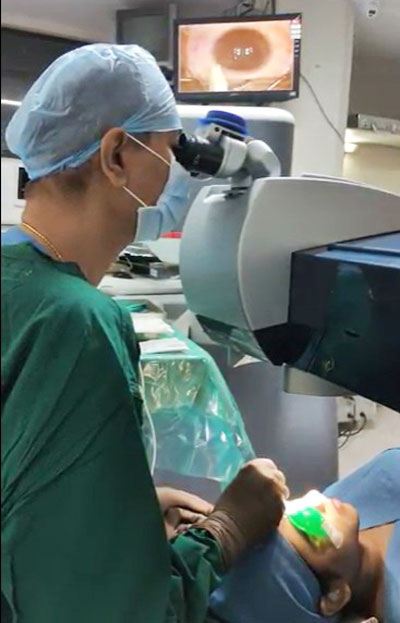
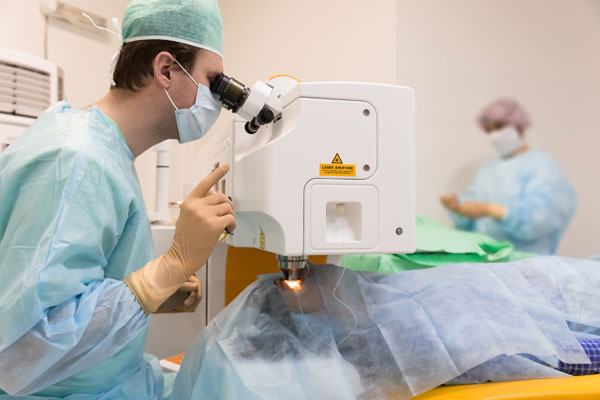
The surgeon will use the femtosecond laser to create a thin "flap" within the third layer of the cornea.The flap is then folded back. It is done to allow a surgeon to access the stroma (underlying cornea). Using the computer-guided laser, a beam of laser removes the small part of the cornea.It is done to reshape the cornea.

Once laser surgery is completed, the light is focussed accurately on the retina. Then optic nerves transmit the message to the brain to convert it into a clear image.

Do I Need To Have A Concern About The Risk Of Lasik Eye Surgery?

The risks associated with LASIK are generally negligible if the preoperative tests are performed well.

The theoretical risk associated with LASIK is flap complications.

You may experience the following minor side effects post-surgery:

  • Dryness of eyes
  • Mild pain
  • Itching or burning in the eye
  • The white part of eyes may appear red for few days
  • Sensitivity to light, glares, and haloes surrounding lights

These are uncommon with Advanced LASIK procedures such as Contoura and will get better within a week.

How Much Time It Takes For Complete Recovery After Lasik Eye Surgery?

Most patients have clear vision within 24 hours, and some take 36-48 hours. You will need to visit your doctor within 24-48 hours of surgery. During the first post-operative visit, the doctor will examine your eye and check your vision. The doctor will also prescribe you certain medications (eye drops)

What Results Can I Expect After Lasik Eye Surgery?

Most patients experience improvement in their vision immediately after the surgery and it further improves within the first week. You may also feel some grittiness or irritation in the eyes just after the surgery. Mild occasional blurry vision might be there in a few patients, but it is temporary and usually settles within a few days. For best results, always follow your doctor’s advice and administer the medications as per the schedule.

How Safe Is Lasik Surgery In Covid-19?

Introduction

Many hospital and medical practices have been affected during the COVID 19 pandemic due to several changes in protocols. The ophthalmology procedures are also affected in this pandemic.

LASIK eye surgery is a selective procedure which means it is not a medical emergency. It has been the world’s most popular surgery that corrects farsightedness, nearsightedness and astigmatism.

How Covid-19 Affects The Eyes?

Many organs in the body, including the respiratory tract, are lined by mucous membrane. The membrane is susceptible to the coronavirus. It also lines the surface of the eye and inside surface of eyelids and is known as the conjunctiva.  The virus transmission through conjunctiva is a rare condition but can cause conjunctivitis. In this condition, your eye appears pink & the inner membrane (conjunctiva) gets inflamed.

The typical general body symptoms associated with the coronavirus are fatigue, fever and a dry cough and the primary mode of transmission still is infected droplets. The evidence of infection transmission through the eyes is not well studied and documented, but, it may be possible that the coronavirus may spread through the eyes.

Is There Any Risk In Undergoing Lasik Surgery In Covid-19?

Many people are enquiring if LASIK surgery is safe during COVID 19 pandemic. Due to the increased risk of spreading infection through a contact lens, many people opt for LASIK surgery for vision correction.

LASIK surgery helps in getting rid of contact lenses and foggy glasses, especially in health care professionals who have a high risk of acquiring a virus. The procedure is safe when it is done by taking proper necessary precautions.

How To Prepare For Lasik Surgery In Covid-19?

It is necessary to prepare yourself before deciding to treat your eyes with LASIK surgery. Consider the following measures to prepare for the surgery.

  • You should find a skilled and experienced surgeon who performs the surgery with the highest level of safety and care.
  • The doctor may conduct a COVID-19 test before surgery.
  • If you are eligible, you should get vaccinated for COVID-19.
  • Before entering the centre, it is necessary to check the body temperature and other symptoms such as cough. The surgery should be avoided if a patient is diagnosed with any of the symptoms.
  • The patients should maintain social distancing and hand hygiene. They should wear the mask and washed clothes.
  • The patients should have no stress and should not come with an empty stomach before surgery.
  • The patient should bring the prescription and prescribed medicines.

How To Take Care After The Lasik Surgery?

Generally, LASIK surgery has a quick recovery time. However, there are certain precautions one should take to avoid complication and ensure healing. The following postoperative care is required to obtain better results.

  • Sleeping for few hours immediately after the surgery will prevent discomfort and accelerate recovery.
  • Use eye drops such as antibiotic eye drop to prevent eye infection, steroid eye drops to decrease inflammation, and artificial eye drops to avoid irritation.
  • It is advised to avoid rubbing your eyes for at least two weeks after the surgery to prevent any infection and flap damage .It also reduces the risk of COVID-19 transmission if you have accidentally touched the surface contaminated with coronavirus.
  • You should wear protective plastic shields or glasses to avoid accidental rubbing while sleeping for at least three to four nights after the surgery. Wear sunglasses or dark glasses to protect your eyes from bright light. It speeds up corneal healing.
  • Instead of taking showers, you should take a bath to protect your eyes from water, shampoo and soap that can cause infection.
  • You should avoid driving for at least a day after the surgery. However, restrictions on driving depend on the healing process of your eyes. While driving, do not forget to wear a mask.
  • One should restrict applying any creams, lotion or other cosmetics around the eyes for at least two weeks after the surgery. It is necessary to prevent contamination through make-up products.

What The Evidence Concludes About Lasik Surgery In Covid-19?

LASIK comes under elective therapy as it does not treat any life-threatening disease. Further, like other surgeries, the risk of COVID-19 spread is not high due to the not so close proximity of the patients and the surgeons. In a study done in Dubai, it was found that the procedure is safe if the surgeons follow all the protocols of COVID-19 and have access to personal protective equipment.

Conclusion

LASIK surgery not only improves your vision but also provides you with additional benefits. However, proper precaution should be taken before opting for LASIK surgery. Follow all the instructions provided by your doctor. Wear masks all the time in the hospital until the doctor or nurses ask you to remove them just before the surgery.

Top Reasons For Undergoing Lasik Surgery

Introduction

LASIK surgery is one of the most predictable and highly effective surgery. It allows the person to get rid of contact lenses and eyeglasses. People opt for LASIK surgery for a variety of reasons. These reasons are clear vision without glasses, convenience, and a gain in self confidence due to good cosmesis.

Reasons For Undergoing Lasik Surgery

Different people have different reasons for having LASIK surgery. Some of the most common reasons for LASIK surgery are:

Clear vision: LASIK surgery provides improvement in the vision that was not possible with contact lenses and eyeglasses. This is possible because the LASIK surgery permanently reshapes the cornea and ensures permanent vision correction.

Freedom: People with LASIK surgery have freedom from contact lenses and eyeglasses. There is no need to travel with an extra pair of lenses or glasses. In the case of new parents, they do not require searching for the glasses or insert contact lenses in the middle of the night when their child needs them.

Self-confidence: Getting rid of the glasses and contact lens improves the confidence of the person. This is applicable both in personal and professional life. Some people believe that there is an improvement in their appearance when they do not have their glasses on. Further, LASIK surgery also helps in working in those areas which might not be possible before LASIK, such as in defence, merchant navy or police force.

Cost-Effectiveness: LASIK surgery is cost-effective in the long run. The person has to buy glasses and contact lens frequently, which adds up to a cost greater than the one-time cost of LASIK surgery.

Easy procedure: LASIK surgery is an easy, out-patient procedure. The surgery is virtually painless and causes only mild discomfort. The outcome is excellent, and the results of the surgery are instant. With more advanced technology, the procedure is very safe. The only thing you require is strict adherence to the doctor’s instructions.

Exercise or sports: People who want to make a career in sports, especially contact sports, such as football, cricket, hockey, are opting for LASIK surgery. Playing such sports with your glasses or contact lens may cause problems. People who are into fitness, cycling , running  and body building also opt for LASIK surgery. This is because there is a risk of glass damage or contact lens infection secondary to sweating during exercise.

Contact lens complications: Contact lens requires proper hygiene and frequent replacement. Improper hygiene may result in complications such as ocular infection. LASIK surgery helps in avoiding such complications.

Convenience: LASIK surgery provides significant convenience to the person. There is no need to carry the spectacles or contact lens solutions with you during traveling. There is no need to insert the contact lens daily, and frequent cleaning of glasses is a thing of the past after LASIK surgery.

Swimming: People with a passion for swimming or who want to make a career in swimming opt for LASIK surgery. This is because the contact lens during swimming increases complications, and a person may have difficulty in swimming with eyeglasses.

Ready For Seeing The World With New Vision

Do you have any of the above or any other reason for undergoing LASIK surgery? Then what are you waiting for? LASIK surgery is a safe surgery with an excellent outcome. Get in touch with the best surgeon who performs LASIK eye surgery in Mumbai which is at Ojas Eye Hospital, Dr Niteen Dedhia, a pioneer of Bladeless Lasik in India.

How To Take Care Of Your Eyes Post Lasik Surgery After Opting For Best Lasik Treatment In Mumbai

Ocular migraines

Have you recently undergone LASIK Surgery to improve the vision of your eyes? Do you know that you must care your eyes to avoid complications? Do you know that your treated eye is at significant risk of developing complications such as infection? After getting LASIK surgery from the best LASIK specialist in Mumbai, your ophthalmologist will mention certain guidelines to be followed for accelerated healing and avoiding surgical complications.

Taking Care Of Eyes Post LASIK Surgery

Initial twenty-four hours after LASIK surgery are critical as this period carries the maximum risk of infections and other complications. Although extra care should be taken for these initial 24 hours, the routine of standard eye care should be maintained until a few months after LASIK surgery.

Following are some of the tips to be followed LASIK surgery:

Know your recovery time: You should get comprehensive information about the recovery time after surgery and accordingly you can manage daily activities.

At the initial 5-6 hours post-surgery, you should avoid bright light. You may have a foggy vision and as the effect of anesthesia diminishes you may also have pain in the eye but that may get subside within a few hours.

In the first 24 hours, you should minimize strain on your eyes by avoiding television. And mobile phone. You should not drive until your vision gets clear and you feel fit for driving.

After 1-2 weeks, you can perform the exercise. However, you should not swim in contaminated water for at least 15 days after surgery. After a month, you can play in contact sports with protective glasses. You may have a follow-up visit for 3-6 months to get analyzed the healing process. People with severe myopia required more time for healing as compared to people with the milder condition.

Let your eye get healed: You should take care of eyes and avoid any activity that causes a strain on your eyes. This would help to accelerate healing. You may experience dry eyes for almost 4-6 months.

Avoid polluted environment: You should avoid polluted environment after LASIK surgery. Dust and dirt, if entered the eye, increases the risk of infection. You should also stay away from smoking or avoid exposing yourself to smoke.

Adhere to doctor’s prescription: After the LASIK surgery, your doctor will prescribe you certain medications that will help early healing and avoiding side effects. The medication may include antibiotics, antiallergics, and lubricants. You should strictly adhere to the prescription.

Careful during bath: You should be extra careful while getting a shower. You are advised not to take a shower for 24 hours after surgery. You should avoid the use of shampoo and soap that may find their way into the eye.

Always wear sunglasses: Wearing sunglasses help protect your eyes from harmful radiations. Further, after the LASIK surgery, your eyes would be extra sensitive to bright light. Wearing sunglasses for a few days after surgery makes you more comfortable in sunlight.

Do not use eye make-up: Avoid using makeup for at least 2 weeks after LASIK surgery. Cosmetics contain chemicals that may harm the eye.

Avoid rubbing your eyes: Do not rub your eyes after LASIK surgery. It may lead to serious complications. During LASIK surgery, a flap is created. During the recovery process, the corneal flap is getting healed. In rare circumstances, rubbing the eye may displace the corneal flap.

Avoid going outside or to work: You should avoid going outside your home as dust, dirt, and sunlight may make you uncomfortable. You may go to the office 2-3 days after surgery although the actual time would be decided by your ophthalmologist depending upon the type of work.

Avoid playing contact sports: You should avoid playing contact sports for a few weeks after LASIK surgery. You should wear protective glasses for a few months after LASIK surgery while playing these sports.

Do not perform the exercise: Avoid strenuous exercise a few weeks after LASIK surgery as it may impart more strain on muscles. 

Use protective eye shield: To avoid accidental rubbing of the eye during the night, you should wear protective glasses while sleeping for at least a few weeks after LASIK surgery.

Reduce or completely avoid television: Avoid watching the screen for a few weeks as it may cause eye strain. After a few weeks of LASIK surgery, you should limit your screen time.

Are You Eligible For Undergoing Lasik Treatment In India?

Digital Eye Strain

Are you considering undergoing a LASIK treatment for you? Do you know about the process and complications associated with LASK process? Did you know whether you are eligible for undergoing LASIK treatment? Do you know whether LASIK treatment would help you in improving vision? If you do not know the answer of all the above questions then probably you require a comprehensive discussion with your ophthalmologist before opting for Lasik treatment in India.

Not all people are eligible for LASIK surgery. There are various criteria based on which ophthalmologist decide whether LASIK surgery is suitable for a patient and whether it will help in improving vision with no or least complications.

Eligibility Criteria For Lasik Surgery

Following are some of the criteria for judging the eligibility of a patient for undergoing LASIK treatment:

Healthy eyes: The person undergoing LASIK surgery should not have such conditions that result in post-surgical complications. Some conditions also interfere with the outcome of the surgery. These conditions include progressive vision deterioration, keratoconus, ocular infections such as uveitis, keratitis, and herpes simplex, dry eyes indicated by less production of tears, ocular injuries, glaucoma, cataract, and lid disorders. People with large pupil may experience halos, glare and ghost images after surgery.

Healthy person: Apart from the healthy eyes, comprehensive health checkup of the patient is done before LASIK surgery. After LASIK surgery, the eye of the patient should be allowed to heal. The immune system plays a major role during healing. 

If the patient has any disease that alters the activity of immune systems such as rheumatoid arthritis, HIV, Systemic Lupus Erythematosus, and various other autoimmune disorders, he may not be eligible for undergoing LASIK surgery.

Conditions such as hypertension, severe diabetes, heart problems that require the use of a pacemaker and other vascular diseases also debars a person from opting for LASIK surgery.

Stable Vision: LASIK surgery can only be performed once the person has stable vision for a considerable period. If the person suffers from myopia, there would be a continuous change in the vision throughout the teenage years. Further, various other condition such as getting pregnant, breastfeeding and taking steroids for a prolonged period also cause changes in vision.

Information about the procedure and side effects: You should know about the procedures, side effects, and complications of LASIK surgery. If you do not have the access to such information, feel free to discuss with your ophthalmologist. 

You should also make yourself aware of the post-surgical eye care beforehand so that you can manage all your important works before surgery. Various complications that may occur after surgery include dry eyes, under-correction, astigmatism, and changes in vision.

Without contact lenses for a few weeks: Contact lenses changes the corneal structure which prevents the doctor from accurate measurements. This may result in a poor outcome. The doctor will analyze your situation and will advise you regarding the wearing of the contact lens before surgery.  

Realistic expectations: Stay away from the unrealistic expectation from surgery. You should keep in mind that although LASIK surgery is highly safe and provide clear vision in most of the cases, these results are measured in optimal conditions. You may require glasses while reading or performing activities in dim light. It is also to be noted that the visual acuity gets reduced with age so you may not feel the same vision after a few years that you were feeling immediately after the surgery.

Age: Age is another important criterion for deciding eligibility for LASIK surgery. Till 18, the vision of people with myopia changes frequently. Thus, the person should at least attain 18 years of age before opting for LASIK surgery.

Although there is no upper age limit for LASIK surgery, the eyes of people above 40 years may have presbyopia, which prevents them from seeing close objects. Although this is not a denial factor for LASIK surgery but may interfere with the outcome.

Hormonal alterations: The vision is not stable because of hormonal changes. Hormonal changes are significantly seen during pregnancy and breastfeeding. Thus, women with these conditions should wait for some time until their vision gets stabilized.

Vision measurement: Before LASIK surgery, the vision measurement of the person should be done. It is recommended that people with vision in the following range are eligible for undergoing LASIK surgery:

  • Nearsightedness: up to -12 diopters
  • Farsightedness: up to +6 diopters
  • Astigmatism: up to 6 diopters

Your doctor will provide you the best advice on whether you are eligible for LASIK surgery and if it will provide the expected results after analyzing your eye health and overall health.

All u need to know about Lasik

Common Eye Myths And Myth Busters

Now you can finally say goodbye to hazy and blurred vision and end your dependence on spectacles or contact lenses!

Introducing High Technology Treatments from Ojas

LASIK (Laser-in Situ keratomileusis) is the latest breakthrough in vision Technology that has transformed the lifestyle of spectacle and contact Lens users all over the world.

LASIK eliminates a life-time of dependence on glasses and contact lenses in just a matter of seconds. The thousands of operations we have successfully handled over the last 20 years, has given us an acute Understanding of the fear and apprehension people have with even the most advanced and safest of procedures like LASIK.

This book is an attempt to offer you insights into how LASIK works and what its effects are. Also, we shed light on the latest improvements in LASIK technology that has given the world an even better and true-to-the eye advanced procedure in the form of Custom LASIK.

What is Lasik?

Laser Vision correction in the blink of an eye

LASIK stands for Laser In-Situ keratomileusis, which means "to shape the cornea within its layers using a laser." LASIK is a skilled procedure that combines the state-of-the art computer technology with advanced laser precision.

How is it different from the older PRK procedure with the EXCIMER laser?

While the earlier Excimer laser procedure (PRK) treated the surface of the cornea, LASIK treats the inner tissue of the cornea and restructures by graining down myopia (minus power), hyperopia (plus power) & astigmatism(cylinder power).

Who can undergo LASIK?

Not everyone is eligible to undergo a LASIK procedure. A potential candidate, must be at least 18 years of age, in good health, and be free from eye diseases such as cataract or glaucoma. A Consultation with an ophthalmologist or optometrist and an in-depth eye examination is a must to find out your eligibility to undergo the LASIK procedure.

Why Choose OJAS for LASIK?

OJAS is an acknowledged leader in the application of Advanced Solutions for vision rejuvenation. Ojas combines trained and highly skilled doctors, sophisticated technology and world class procedures to offer you the very best in eye care and improved eyesight.

LASIK – Safe & Uncomplicated, But a Highly skilled & Specialized Treatment

Pre – Procedure Assessment

  • Before deciding to undergo laser vision correction, the doctor/optometrist will undertake the following step-by-step procedure:
  • Educate the patient about laser vision correction and other alternative procedures.
  • Study the patients eye history and previous test results (if any)
  • Perform the following elaborate pre-procedure diagnostic tests to determine the current state of the eye:
  • Lensometry
  • Auto refraction
  • Topography
  • Wave front Analysis & Aberrometry
  • Visual Acuity Testing
  • Pachymetry
  • Tonometry
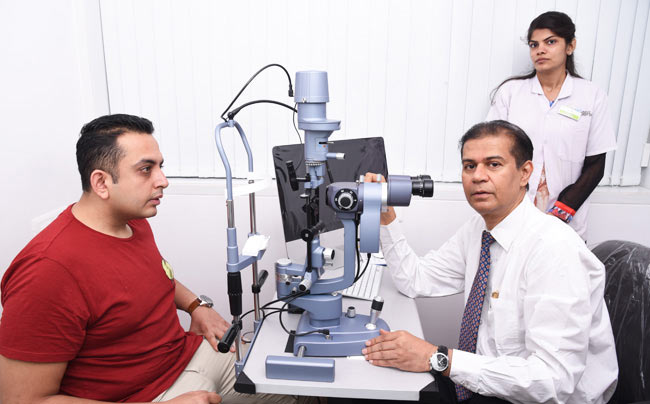
  • Slit-Lamp Exam
  • Pupillometry
  • Retinal exam
  • Prepare a surgical plan based on the above diagnostic tests.

The Lasik Procedure – Simple, Safe & Short

The treatment is simple and takes only about 10 minutes to perform. The following steps ensure care & safety during the procedure:

  • Eyelids and lashes are cleaned
  • We instill Antibiotic anesthetic drops in the eye.
  • The patient lies back comfortably on a reclining operating table.
  • A protective corneal flap is created and gently lifted, revealing the inner corneal tissue. Since the corneal flap preserves the surface layer (epithelium) of the cornea, discomfort following LASIK procedure is minimal.
  • The computer within the laser machine is loaded with all the information of the pre-procedure tests.
  • The system calculates the required corneal treatment and directs the laser. Computer controlled pulses of cool laser light are applied to the inner layers of cornea. As the laser pulses, it makes a ticking sound. The inner corneal layer is reshaped with the laser to mimic your contact lens or prescription glasses.
  • The surgeon gently places the flap back and aligns it to its original position.
  • The flap heals naturally and securely.

LASIK

It cures Myopia and Hyperopia in a twinkling

Post Procedure Care

Most patients can resume work within a day after undergoing the Lasik procedure. There is minor irritation & the sensation of a foreign body after the procedure and the eye may water for some time. In case of pain, a pain killer tablet is advised.

Guiding patients in their Healing Phase

Our Patient Care cell provides post procedure care to help in the recovery process. Patients are advised to take some common and simple eye care measures like

  • Avoid driving, smoking & a head bath for 1-2 days.
  • Wear sunglasses for the first few days in sunlight.
  • Read and watch TV in moderation during the first few.
  • Avoid using eye makeup and rubbing the eye for 1 week.
  • Avoid heavy exercise and swimming for one week.
  • Avoid rough sports that could result in eye injury for one month following Lasik.

Smile vs Lasik – Which Laser procedure is better

Digital Eye Strain

 In the Journal of Cataract and Refractive Surgery, in a study published on the results of early Recovery of quality of vision and optical performance , Small Incision  lenticule extraction (SMILE)  appear to provide the same efficiency and safety as Lasik.

A prospective case series study by A Chiche et al, JCRS (Journal of Cataract and Refractive Surgery) compared the two procedures SMILE and Lasik in terms of early recovery of Visual Function? The postoperative contrast sensitivity was better in the Lasik group at day 1 and day 7 but was same in both groups at 1 month.

Global satisfaction did not differ between the two groups throughout the study. Ojas Eye Hospital is one of the best laser Eye Hospital in Mumbai and a pioneer of Lasik treatment in Mumbai. Eye Surgeons at Ojas perform Lasik treatment in Bandra and in Kandivali. It is done by one of the best eye surgeon in Mumbai Dr. Niteen Dedhia who has experience of 22 years in Lasik surgery.

Is Lasik Eye Surgery Safe for your Eye?

Cataract surgery in mumbai

Bladefree Lasik is a treatment for vision correction approved by “NASA Astronauts”.  It is also a US FDA approved procedure for those who seek to be free from spectacles to get rid of their glasses.

This procedure is done at Ojas Eye Hospital in Bandra, Mumbai

What is Intralase Bladeless femtosecond Lasik?

Femto Lasik is a 100% Bladefree approved using ultra high precision femto second Laser for safety & accuracy of the whole treatment. By eliminating the handheld microkeratome blade method used in traditional Lasik for corneal flap creation, there’s higher level of safety & accuracy in laser procedure.

With intralase using a computer controlled laser the surgeon deliver rapid pulses of laser light to a pre-programmed depth and position within the corneal tissue.

This technique is available as of “the best laser eye hospital in Mumbai”.

Ojas Eye Hospital is also able to treat patients with this method who have this type of cornea which otherwise would have been turned down for the traditional Lasik Procedure.

It is performed by Dr. Niteen C Dedhia who is a pioneer of Bladefree Lasik in Bandra, Mumbai.

And is a past “President of Bombay Ophthalmologists Association”. He is also ranked amongst the best eye surgeon in Mumbai.

Is  Custom Intralase Bladefree Lasik Safe and trusted.

This technology gives the doctor an extremely high degree of surgical control for exceptional outcomes.  Millions of procedure have had been performed safely all over the world & in India Ojas Eye Hospital the best eye specialist in bandra, mumbai to carry out this treatment.

The corna after the femto treatment is reshaped with the excimer laser & vision correction done for Myopia with or without Astigmatism for correction of Hyperopia more deails can be availed from OjasEye Hospital in Bandra, Mumbai & Ojas Eye Hospital in Kandivali, mumbai which have the latest facility to treat these refractive error.

Ojas Eye Hospital A Center of Excellence for Contoura Vision, Femto Bladefree Lasik in Mumbai, India.