Call us

+91-9240214610 (Bandra)
+91-9240214611 (Kandivali)

  • JAS-ANZ Accredited Certification
  • ICS Certified
  • NABH Certified Eye Hospital in Mumbai
Ojas Eye Hospital in Bandra, Kandivali, Mumbai

Tag: best ophthalmologist in Mumbai

Can High Blood Pressure Cause Vision Loss? Explained by the Best Eye Specialist in Mumbai

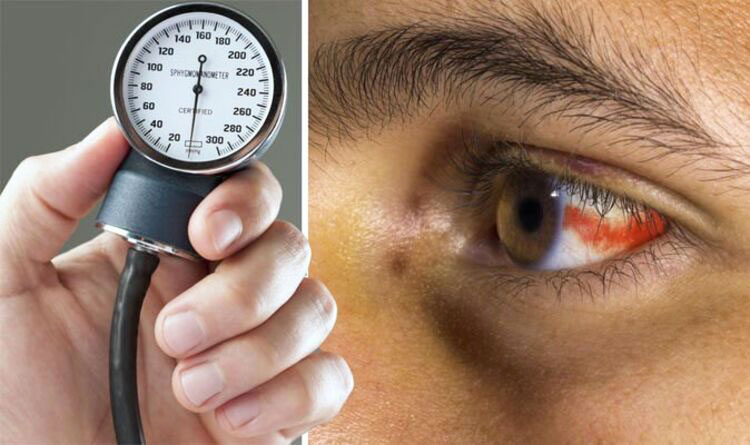
High blood pressure (also called hypertension) is known as a “silent killer” because it can harm your body without any warning signs. Most people know that it affects the heart, kidneys, and brain, but not many realize that it can also damage your eyes and even cause permanent vision loss.

That’s why regular eye check-ups are very important, especially if you have high blood pressure. At Ojas Eye Hospital, the best eye hospital in Mumbai, our expert doctors focus on early diagnosis and quick treatment to protect your eyes from high blood pressure-related problems.

How Does High Blood Pressure Affect Your Eyes?

Your eyes are full of tiny, delicate blood vessels. When your blood pressure remains consistently high, it puts excess pressure on these vessels, making them more likely to leak, burst, or get blocked. This can lead to several serious eye conditions, including:

Hypertensive Retinopathy

This condition occurs when high blood pressure damages the small blood vessels in the retina, the layer at the back of the eye that helps you see.

Symptoms of retinopathy:

  • Blurred or distorted vision
  • Seeing floaters or dark spots
  • Trouble seeing at night
  • Eye redness or discomfort

Retinopathy can begin silently with no symptoms. That’s why people with hypertension should get regular eye exams from the best eye specialist in Mumbai.

Treatment options:

  • Injections to stop leaking blood vessels
  • Laser treatment to seal the leaks
  • Surgery (vitrectomy) if bleeding happens inside the eye

Choroidopathy

Choroidopathy happens when high blood pressure causes fluid to leak from the choroid—a layer of blood vessels behind the retina. This can lead to scarring and permanent vision damage.

Symptoms of choroidopathy:

  • Blurred vision
  • Poor night vision
  • Reduced contrast and color sensitivity

The best ophthalmologist in Mumbai can find this problem early using special scans and offer treatments like laser or injections.

Optic Neuropathy

High blood pressure can stop blood from reaching the optic nerve, the part of your eye that sends signals to your brain. Without proper blood supply, the optic nerve becomes damaged, resulting in vision loss or even complete blindness.

Symptoms of optic neuropathy:

  • Flickering or flashing lights
  • Pain behind the eyes
  • Loss of peripheral (side) vision
  • Colors may appear faded or dull

Regular eye check-ups help find damage early. The best eye hospital in Mumbai offers advanced tools to monitor your optic nerve health and prevent long-term damage.

Can High Blood Pressure Cause Glaucoma?

Yes. Studies show a link between high blood pressure and glaucoma, which damages the optic nerve. Both high and low blood pressure can raise your risk. A regular screening is essential, especially if you have a family history of hypertension or glaucoma.

Is It Possible to Restore Vision Lost Due to High Blood Pressure?

In many cases, vision loss caused by high blood pressure cannot be reversed. But early treatment can stop it from getting worse and help you keep the vision you still have.

When to See an Eye Specialist?

You should book an appointment with the best ophthalmologist in Mumbai if:

  • You have high blood pressure
  • Your vision suddenly changes
  • You have diabetes, obesity, or smoke
  • You have a family history of eye problems like glaucoma

Regular eye check-ups are important even if your vision seems fine.

Tips to Keep Your Eyes Safe from High Blood Pressure:

  • Check your blood pressure regularly
  • Eat healthy foods like green vegetables, fruits, and fish
  • Quit smoking and limit alcohol
  • Exercise to keep blood flow healthy
  • Get your eyes checked every year

Book your appointment today with the best eye specialist in Mumbai at Ojas Eye Hospital

Ojas Eye Hospital offers expert care for eye problems linked to high blood pressure. With advanced equipment, personalized treatments, and trusted specialists, we’re here to protect your vision. Book your appointment today with the best eye specialist in Mumbai.

Common Eye Issues in Seniors: Expert Tips from the Best Ophthalmologist in Mumbai

As we grow older, it’s natural to notice gradual changes in our eyesight. While some changes are minor and manageable, others may signal more serious eye issues that may impact our independence and quality of life.

When vision begins to decline with age, simple daily tasks become harder, increasing the risk of falls, social withdrawal, and depression. Fortunately, many age-related eye conditions can be managed or even prevented with regular check-ups and timely treatment.

In this article, we will discuss common eye problems that affect the elderly and will learn how you can take proactive steps to maintain healthy vision as you age.

Common Eye Issues in Seniors

Common eye problems in the elderly range from harmless changes to serious conditions. Recognizing symptoms early and seeking timely care can help protect your vision.

Cataracts

Cataracts are one of the most common causes of vision impairment in older adults. This condition causes the eye’s natural lens to become cloudy, leading to blurry or hazy vision.

Symptoms may include:

  • Cloudy or blurry vision
  • Poor night vision
  • Faded colors or yellow tint
  • Increased sensitivity to light and glare

Risk factors include:

  • Aging
  • Excessive sun exposure
  • Smoking
  • Diabetes

Treatment includes:

  • Early cases can be managed with prescription glasses
  • Cataract surgery: Replaces the cloudy lens with an artificial one, restoring sharp vision

Glaucoma

Glaucoma refers to a group of eye conditions that damage the optic nerve, often due to high intraocular pressure. It progresses slowly and usually shows no symptoms until significant vision is lost.

Symptoms may include:

  • Gradual loss of side (peripheral) vision
  • Tunnel vision in advanced stages
  • In some types, eye pain or nausea may occur

Risk factors include:

  • Aging
  • Genetics
  • Increased eye pressure

Treatment includes:

  • Prescription eye drops
  • Laser procedures or surgery for advanced cases

Regular eye checkups are essential since early glaucoma has no warning signs

Age-Related Macular Degeneration (AMD)

AMD affects the macula which is the central part of the retina and is responsible for central vision. It is one of the top causes of vision loss in people over 60.

Symptoms may include:

  • Blurred central vision
  • Difficulty recognizing faces or reading
  • Straight lines appearing wavy

Risk factors include:

  • Age
  • High blood pressure
  • Genetics
  • Smoking

Treatment includes:

  • Lifestyle and dietary changes
  • Special eye injections for the wet AMD
  • Laser therapy in certain cases

Double Vision (Diplopia)

Seeing double can be alarming. This is what happens in double vision, or diplopia, where a person sees two overlapping images, which can significantly affect daily activities.

Symptoms may include:

  • Two overlapping or side-by-side images
  • Eye strain or headaches
  • Trouble focusing

Risk factors include:

  • Stroke
  • Cataracts
  • Muscle weakness
  • Nerve palsy

Treatment includes:

  • Corrective glasses with prisms
  • Vision therapy
  • Surgery in severe or persistent cases

Diabetic Retinopathy

This condition affects people with long-term or poorly controlled diabetes. High blood sugar levels damage blood vessels in the retina, leading to vision loss if not treated promptly.

Symptoms may include:

  • Fluctuating or blurry vision
  • Dark spots or floaters
  • Difficulty in identifying colors

Risk factors include:

  • Prolonged high blood sugar levels damaging the retinal vessels

Treatment includes:

  • Blood sugar control
  • Anti-VEGF injections to reduce swelling and preserve vision
  • Laser surgery

Preventive Eye Care Expert Tips for Seniors

Many age-related eye problems can be slowed down or even prevented with some smart yet simple habits.

Follow these strategies to protect your vision as you age:

  • Focus on a balanced diet rich in vitamins and antioxidants for good eye health.
  • Always wear sunglasses with UV protection to prevent cataracts and AMD.
  • Control your chronic health conditions, like keeping diabetes, high blood pressure, and cholesterol in check.
  • Quit smoking, as it increases your risk for cataracts and AMD.
  • Get annual eye exams for early detection of common eye conditions.

In Conclusion with Ojas Eye Hospital in Mumbai

Don’t ignore vision changes as “just a part of aging.” With early intervention and expert guidance, you can enjoy clear vision in your golden years. Whether you’re noticing blurred vision, difficulty reading, or just haven’t had an eye exam in a while, now is the time to visit the best eye hospitals in Mumbai.

Book your consultation today at Ojas Eye Hospital, home to the best ophthalmologist in Mumbai, and gift your eyes the expert care they deserve.

January 2023, Glaucoma Awareness Month: What’s New And What Do I Need To Know About Glaucoma?

January is Glaucoma Awareness Month, making it the perfect time to talk about how to spread the word about this condition that can cause blindness. Early detection of glaucoma is necessary for receiving proper treatment.

Alarming key facts about glaucoma:

  • 50% of glaucoma sufferers are unaware of their condition.
  • 80 million people globally have glaucoma.

What is glaucoma?

Glaucoma is a group of eye conditions that damage your optic nerve and is usually caused when fluid builds up in the front part of your eye. This increased fluid exerts pressure on the optic nerveswhich can permanently affect eyesight if not diagnosed in time and treated. It is also noticed that some people have normal eye pressure but still get glaucoma. Untreated or poorly managed glaucoma can cause blindness and irreversible vision loss, which makes it the second most common cause of blindness worldwide.

What mostly causes glaucoma?

Aqueous humor is the fluid inside your eye, normally flows out of the eye through a channel. The liquid might build up if this channel gets blocked or if the eye is producing too much fluid, leading to a rise in pressure inside the eye and thus damaging the optic nerve.

What are the types of glaucoma?

There are various types of glaucoma, such as:

Open-angle glaucoma:

This is the most common type that happens when resistance builds up in the eye’s drainage canals. Because most people don’t have symptoms, the condition may go unnoticed for years.

Closed-angle glaucoma:

This is a rare type of glaucomathat often manifests suddenly. It happens when the angle between your iris and cornea is too small. It might happen if the pupil changes and dilates too quickly. This restricts the flow of aqueous fluid out of your eye and blocks your drainage canals, increasing eye pressure. Eye pain and headaches are two symptoms that can be very severe and need immediate medical attention.

Normal-tension glaucoma:

Even in the few cases where eye pressure is normal or not too high, optic nerve damage occurs.

Congenital glaucoma:

Some babies are born with improperly formed drainage canals from the womb. Your baby’s glaucoma symptoms may be visible to your doctor from birth, or symptoms may become noticeable in childhood.

What symptoms exist for glaucoma?

Some forms of glaucoma don’t have any early warning symptoms, and vision problems might occur gradually, making it easy to miss the symptoms. Regular eye examinations are crucial for catching this disease in its earliest stages. Since glaucoma damage is irreversible, early detection and treatment are essential to prevent blindness.

You might experience:

  • Pressure or pain in the eyes
  • Headaches
  • Red eyes
  • Sensitivity to light
  • Vomiting and nausea
  • Lights with rainbow-colored halo effects
  • Vision problems include tunnel vision, low vision, blurriness, or blind spots

If you encounter these symptoms, you should get immediate medical attention.

Who is more at risk of getting glaucoma?

Several significant risk factors have been found, which include:

  • Age greater than 60 years
  • A first-degree relative with glaucoma
  • A history of eye trauma or multiple surgeries
  • Chronic eye conditions like diabetic eye disease
  • Extreme nearsightedness or farsightedness
  • Use of steroid medications

How is glaucoma diagnosed?

It’s possible that you have glaucoma and may not even be aware of it. For the purpose of detecting glaucoma or other eye issues, routine eye exams are important. The eye exams can assess your optic health and vision loss.

An eye specialist may do one or more of these tests to check for glaucoma:

  • Visual acuity test
  • Visual field test
  • Dilated eye exam
  • Pachymetry
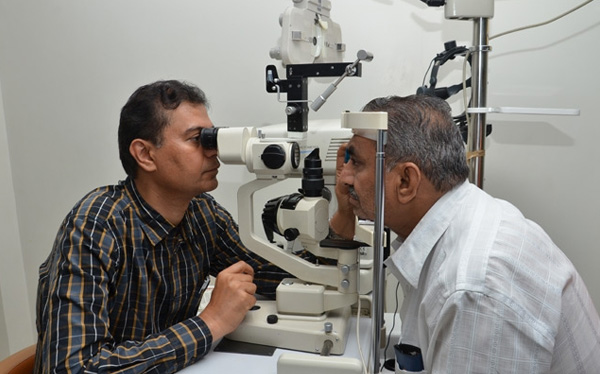
  • Slit-lamp exam
  • Ocular pressure test
  • Gonioscopy Optical coherence tomography (OCT)

How is glaucoma managed or treated?

Glaucoma, if left untreated, can lead to the faster development of permanent blindness or permanent vision loss. Treatments can slow down additional eyesight loss, but they cannot restore the lost vision. If you experience eye pain, severe headaches, or vision issues, it’s crucial to see an eye specialist as soon as possible.

Medications to treat glaucoma:

Glaucoma can be treated with a variety of prescription eye drops.

Laser therapy to treat glaucoma:

Your eye specialist uses a laser to enhance fluid outflow from your eye, and they might advise using lasers as a first-line treatment in place of or in addition to eye drops.

Surgery to treat glaucoma:

Surgery is another method to lower ocular pressure. As compared to drops or lasers, it is more invasive but also more quickly leads to improved ocular pressure control.

Is glaucoma curable?

No, glaucoma cannot be cured, but you can control the disease’s progression and its symptoms.

The best ophthalmologist in Mumbai can help you plan your glaucoma treatment

While there is no known cure for glaucoma, there are therapies that can manage eye pressure and prevent eyesight loss. Eye exams might save your vision by detecting the condition early, and you can prevent glaucoma from getting worse and leading to irreversible vision loss or blindness by carefully selecting your course of therapy. If you have glaucoma or are at high risk of developing it, it’s important to schedule an appointment at Ojas-Eye Hospital in Mumbai right away.

Presbyopia: Are Reading Glasses The Only Option?

Lasik Surgery In Mumbai, Cataract, treatment for keratoconus

Introduction

Presbyopia is an old age condition found in almost all the elderly. In this condition, the ability of the lens to focus on the near objects gets reduced. Various treatment options such as glasses, contact lenses, and surgery are available. If you want to under a laser eye surgery in Mumbai, opt for the best ophthalmologist in Mumbai.

Presbyopia

Presbyopia is the old age condition that reduces the ability to see the near objects. As the age increases, the lens of the eye gets stiff. This results in the loss of the ability of the lens to change focus. This condition develops in almost all elderly people, especially those who are above 50 years of age.

There is also a risk of premature presbyopia in some patients. Patients with cardiovascular disease, anemia, diabetes, farsightedness, eye disease, and multiple sclerosis are at increased risk for premature presbyopia.

The symptoms of presbyopia include difficulty reading small letters, having a headache or eye strain. Such people have to hold the material farther away from the eye.

Treatment Options

Various treatment options may help you to correct this condition. Various options available are non-prescription glasses, prescription glasses, contact lenses, surgery, and orthokeratology lenses. Each option has its advantages and disadvantages. Your ophthalmologist may advise you on the option that best suits you depending upon your condition and lifestyle. 

Non-Prescription Glasses

Non-prescription glasses are available for those people who do not require any glasses before developing presbyopia. These glasses are used while reading or while doing close work. The non-prescription glasses are generally available at various stores. While purchasing a non-prescription reading glass, various things should be kept in mind. Different degrees of magnification f reading glasses should be tried. The one that provides you the best vision during newspaper reading may have opted.

Prescription Glasses

Prescription glasses are used by those people who are already using the glasses to correct any other ocular condition. Those patients who are not happy with the magnification provided by the non-prescription reading glasses may also opt for prescription glasses. Bifocal glasses are another option that has two vision frames separated by a line. The upper part is used for distance while the lower part s to see the close objects.

Surgery

Various surgical options are available for managing presbyopia. During surgery, one eye is set for distant vision while the other is set for viewing close objects. This type of vision is termed as a monovision or blended vision. Implantation of the multifocal lens is another option in such patients. Other surgical process includes Conductive keratoplasty and Laser-assisted in-situ keratomileusis (LASIK). However, surgery provides no guarantee for maintaining the perfect vision as the patient gets older.

Contact Lens

Patients who are annoyed by frequently watching for their glasses may opt for contact lenses. The advantages of contact lenses include options to choose contact lenses and reading glasses alternatively, and the ability to alter them according to prescription. When used according to the instructions, they are safe and comfortable.

Orthokeratology Lenses

These lenses are new in the market. These lenses are worn only during the night. These lenses mould the cornea in such a way to provide a clear vision during the day.

Ojas Eye Hospital A Center of Excellence for Contoura Vision, Femto Bladefree Lasik in Mumbai, India.