Call us

+91-9240214610 (Bandra)
+91-9240214611 (Kandivali)

  • JAS-ANZ Accredited Certification
  • ICS Certified
  • NABH Certified Eye Hospital in Mumbai
Ojas Eye Hospital in Bandra, Kandivali, Mumbai

Tag: cataract surgery

What Causes Cataracts to Become Complex and Put Your Vision at Risk?

Losing clear vision can be concerning, especially when cataracts become advanced or complicated. For many people, cataracts slowly affect daily life, like reading becomes difficult, lights start to glare and faces lose clarity. When cataracts are combined with other eye problems, the fear of permanent vision loss can be frightening.

At Ojas Eye Hospital in Mumbai, patients with both routine and complex cataracts receive thoughtful care, clear guidance and advanced treatment options designed to protect and restore vision safely.

What Is a Cataract? 

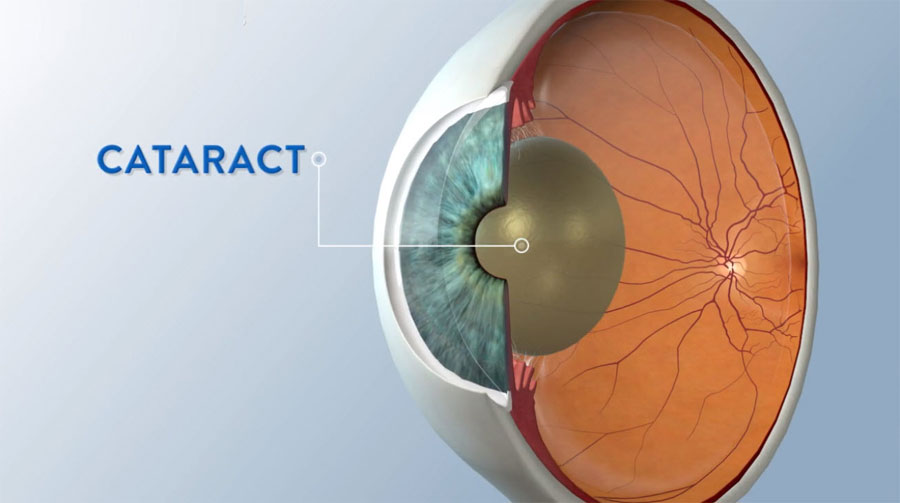
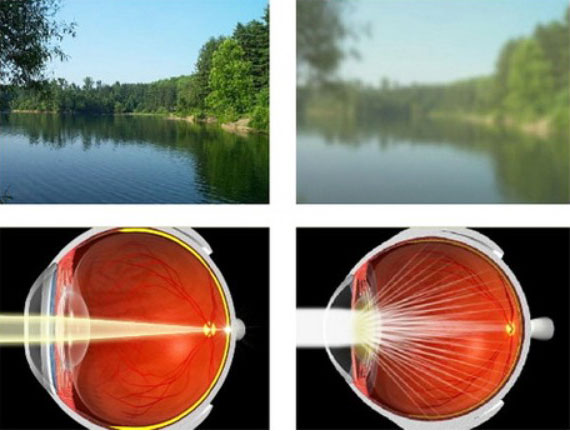
A cataract happens when the natural lens of the eye becomes cloudy. This clouding blocks light from reaching the retina clearly, leading to blurred vision. Cataracts usually develop with age, but they can also appear earlier due to injury, illness or previous eye conditions.

Cataracts do not heal on their own. Over time, vision continues to worsen unless treated.

What Are the Common Symptoms of Cataracts?

Many people ignore early signs, thinking they are normal aging changes. You should get your eyes checked if you notice:

  • Blurry or foggy vision
  • Trouble seeing at night
  • Sensitivity to bright lights
  • Faded or dull colors
  • Frequent change in spectacle power

Early diagnosis makes treatment safer and recovery smoother.

When Do Cataracts Become Complex?

Most cataract surgeries are straightforward. However, some patients need extra attention due to existing eye conditions. These are called complex cataracts.

Cataracts may be considered complex if you have:

  • Previous eye surgery (like squint correction or retinal surgery)
  • Eye injury or trauma
  • Glaucoma or high eye pressure
  • Uveitis (eye inflammation)
  • Very hard or mature cataracts
  • Weak lens support
  • Diabetes or corneal problems
  • Vision in only one functioning eye

In such cases, surgery requires careful planning, advanced equipment and an experienced eye surgeon.

Why Do Complex Cataracts Need Special Care?

Complex cataracts are risky because the eye has other issues, not just the cataract. Weak tissues, poor pupil dilation or previous damage can make surgery more delicate.

At Ojas Eye Hospital, eye surgeons perform detailed eye scans and evaluations before surgery to fully understand the eye’s structure. This allows them to choose the safest surgical method and lens for each patient.

How Are Complex Cataracts Treated?

Treatment always begins with stabilizing the eye. Inflammation or pressure problems are controlled before surgery.

During surgery, doctors may use:

  • Special devices to support weak lenses
  • Advanced microscopes for better visibility
  • Gentle techniques to protect delicate eye tissues
  • Carefully selected intraocular lenses

Every step is customized to the patient’s eye condition.

How Is the Lens Selection Done in Complex Cataract Cases?

Not every eye can safely receive premium lenses. In complex cases, doctors often recommend stable and reliable lenses that provide clear vision with minimal risk. Lens options are explained clearly so patients can make informed decisions.

How Is the Recovery After Complex Cataract Surgery?

Recovery may take slightly longer than routine cataract surgery, but most patients experience steady improvement.

Patients may need:

  • Eye drops for a longer period
  • More follow-up visits
  • Extra care to avoid infection or inflammation

With proper aftercare and guidance, most patients regain useful and comfortable vision.

Why Does the Experience of An Eye Surgeon Matter in a Complex Cataract Surgery Case?

Complex cataracts demand skill, patience and advanced knowledge. An experienced eye surgeon knows how to manage unexpected challenges safely. This is why choosing the best cataract surgeon in Mumbai becomes important when vision feels at risk due to complex cataract.

Why Book an Appointment at Ojas Eye Hospital in Mumbai?

Complex cataracts can be scary, but with the right eye surgeon and the right hospital, they are very much treatable. Clear vision is possible, just extra care is needed.

Ojas Eye Hospital is known for patient-focused care, advanced procedures and experienced eye surgeons who handle both routine and complex cases with confidence.

For patients seeking the best cataract surgery in Mumbai, must visit Ojas Eye Hospital, offering excellence and expert care.

Your vision deserves expert hands. Choose clarity. Choose confidence. Choose care.

What Is TECNIS Odyssey™ Lens? A Complete Guide for Cataract Patients

Good vision is an important part of a healthy and comfortable life. But as we grow older, many people start facing problems like blurred vision, difficulty reading or trouble seeing clearly at night. Two common reasons for this are cataract and presbyopia.

The good news is that modern eye care has improved a lot. Today, advanced treatments and lens technologies are helping patients regain clear vision and reduce their need for glasses. If you are looking for the best eye hospital in Mumbai or the best eye specialist in Mumbai, understanding these new options can help you make the right decision.

Understanding Cataracts and Presbyopia

Cataracts are highlighted as one of the leading causes of vision impairment worldwide. It occurs when the natural lens of the eye becomes cloudy. This leads to:

  • Blurry or dim vision
  • Difficulty seeing at night
  • Sensitivity to light
  • Faded or yellowish colors

Presbyopia is an age-related condition that usually starts after the age of 40. It affects your ability to see nearby objects clearly, such as when reading a book or using a phone. Presbyopia is a natural part of ageing and affects almost everyone over time.

How Cataract Surgery Has Improved with Time?

Earlier, cataract surgery was mainly focused on removing the cloudy lens and replacing it with a basic artificial lens. While this restored vision, patients often still needed glasses for reading or distance. But today, things are very different. Modern cataract surgery uses advanced intraocular lenses (IOLs) that can improve vision at multiple distances. These lenses not only restore sight but also improve overall quality of life.

If you are searching for the best cataract surgery in Mumbai, it is important to choose a center that offers the latest technology and experienced surgeons.

Latest Innovation: TECNIS Odyssey™ Intraocular Lens

A major advancement in eye care is the launch of the TECNIS Odyssey™ intraocular lens in India by Johnson & Johnson.

This new lens is designed to provide a full range of vision, helping patients see clearly at:

  • Near distance (reading, mobile use)
  • Intermediate distance (computer work)
  • Far distance (driving, watching TV)

The Main Benefits of TECNIS Odyssey™ Lens

  • Clear and continuous vision across all distances
  • Reduced need for glasses after surgery
  • High-quality vision even in low-light conditions
  • Better contrast and sharpness
  • Minimal issues like glare or halos

Patient Satisfaction with TECNIS Odyssey™ Lens

Clinical results have shown very positive results:

  • Most patients were happy with their vision without glasses
  • Many reported very little or no visual disturbances
  • Strong satisfaction with night vision

This means patients can enjoy a more independent and comfortable lifestyle after surgery.

Why Choosing the Right Eye Surgeon Matters?

Even with the best technology, the results of eye surgery depend greatly on the surgeon’s expertise. Choosing the best eye surgeon in Mumbai ensures:

  • Accurate diagnosis
  • Proper selection of lens
  • Safe and precise surgery
  • Better visual outcomes

An experienced doctor will guide you on whether advanced lenses like TECNIS Odyssey™ are suitable for your eyes.

Signs You Should Consider Cataract Surgery

You should consult an eye specialist if you notice:

  • Blurred or cloudy vision
  • Difficulty reading or driving
  • Frequent change in glasses
  • Glare or halos around lights
  • Poor night vision

Early consultation with the best eye specialist in Mumbai can help you plan timely treatment and avoid complications.

What to Expect After Surgery?

Modern cataract surgery is:

  • Quick and painless
  • Usually completed within a short time
  • Performed as a day-care procedure

After surgery, most patients experience:

  • Clearer vision within a few days
  • Reduced dependency on glasses
  • Improved daily comfort

With advanced lenses, many patients can return to normal activities faster and enjoy better visual quality.

Why Choose Ojas Eye Hospital in Mumbai?

Clear vision can change the way you live your daily life. With modern cataract surgery and advanced lenses like TECNIS Odyssey™ IOL, you no longer have to depend heavily on glasses or struggle with poor eyesight.

If you are looking for the best eye hospital in Mumbai, Ojas Eye Hospital stands out for its advanced care and patient-focused approach. Book your appointment now.

Choosing the right doctor and the right hospital matters a lot for your clearer vision.

What Is TECNIS Odyssey™ Lens? A Complete Guide for Cataract Patients

Good vision is an important part of a healthy and comfortable life. But as we grow older, many people start facing problems like blurred vision, difficulty reading or trouble seeing clearly at night. Two common reasons for this are cataract and presbyopia.

The good news is that modern eye care has improved a lot. Today, advanced treatments and lens technologies are helping patients regain clear vision and reduce their need for glasses. If you are looking for the best eye hospital in Mumbai or the best eye specialist in Mumbai, understanding these new options can help you make the right decision.

Understanding Cataracts and Presbyopia

Cataracts are highlighted as one of the leading causes of vision impairment worldwide. It occurs when the natural lens of the eye becomes cloudy. This leads to:

  • Blurry or dim vision
  • Difficulty seeing at night
  • Sensitivity to light
  • Faded or yellowish colors

Presbyopia is an age-related condition that usually starts after the age of 40. It affects your ability to see nearby objects clearly, such as when reading a book or using a phone. Presbyopia is a natural part of ageing and affects almost everyone over time.

How Cataract Surgery Has Improved with Time?

Earlier, cataract surgery was mainly focused on removing the cloudy lens and replacing it with a basic artificial lens. While this restored vision, patients often still needed glasses for reading or distance. But today, things are very different. Modern cataract surgery uses advanced intraocular lenses (IOLs) that can improve vision at multiple distances. These lenses not only restore sight but also improve overall quality of life.

If you are searching for the best cataract surgery in Mumbai, it is important to choose a center that offers the latest technology and experienced surgeons.

Latest Innovation: TECNIS Odyssey™ Intraocular Lens

A major advancement in eye care is the launch of the TECNIS Odyssey™ intraocular lens in India by Johnson & Johnson.

This new lens is designed to provide a full range of vision, helping patients see clearly at:

  • Near distance (reading, mobile use)
  • Intermediate distance (computer work)
  • Far distance (driving, watching TV)

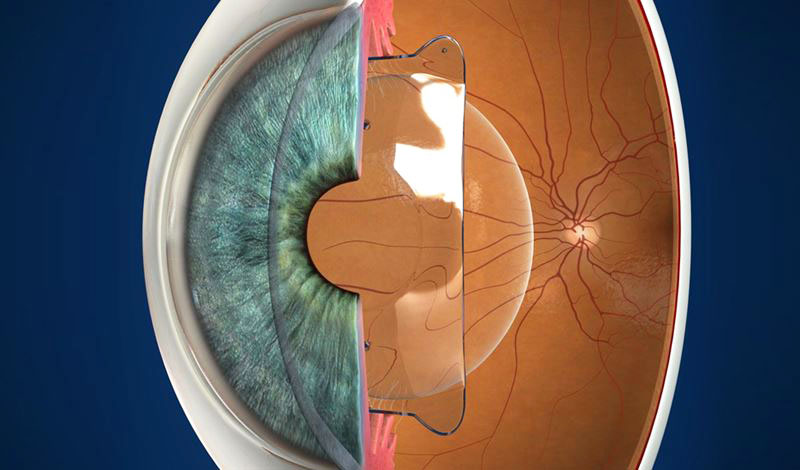
TECNIS Odyssey™ Intraocular Lens

TECNIS Odyssey™ Lens

The Main Benefits of TECNIS Odyssey™ Lens

  • Clear and continuous vision across all distances
  • Reduced need for glasses after surgery
  • High-quality vision even in low-light conditions
  • Better contrast and sharpness
  • Minimal issues like glare or halos

Patient Satisfaction with TECNIS Odyssey™ Lens

Clinical results have shown very positive results:

  • Most patients were happy with their vision without glasses
  • Many reported very little or no visual disturbances
  • Strong satisfaction with night vision

This means patients can enjoy a more independent and comfortable lifestyle after surgery.

Why Choosing the Right Eye Surgeon Matters?

Even with the best technology, the results of eye surgery depend greatly on the surgeon’s expertise. Choosing the best eye surgeon in Mumbai ensures:

  • Accurate diagnosis
  • Proper selection of lens
  • Safe and precise surgery
  • Better visual outcomes

An experienced doctor will guide you on whether advanced lenses like TECNIS Odyssey™ are suitable for your eyes.

Signs You Should Consider Cataract Surgery

You should consult an eye specialist if you notice:

  • Blurred or cloudy vision
  • Difficulty reading or driving
  • Frequent change in glasses
  • Glare or halos around lights
  • Poor night vision

Early consultation with the best eye specialist in Mumbai can help you plan timely treatment and avoid complications.

What to Expect After Surgery?

Modern cataract surgery is:

  • Quick and painless
  • Usually completed within a short time
  • Performed as a day-care procedure

After surgery, most patients experience:

  • Clearer vision within a few days
  • Reduced dependency on glasses
  • Improved daily comfort

With advanced lenses, many patients can return to normal activities faster and enjoy better visual quality.

Why Choose Ojas Eye Hospital in Mumbai?

Clear vision can change the way you live your daily life. With modern cataract surgery and advanced lenses like TECNIS Odyssey™ IOL, you no longer have to depend heavily on glasses or struggle with poor eyesight.

If you are looking for the best eye hospital in Mumbai, Ojas Eye Hospital stands out for its advanced care and patient-focused approach. Book your appointment now.

Choosing the right doctor and the right hospital matters a lot for your clearer vision.

MICS Cataract Surgery: A Modern, Gentle Way to Restore Clear Vision

Cataracts are one of the most common eye problems, especially as we grow older. It happens when the natural clear lens inside the eye becomes cloudy, making vision look blurred, dullor yellowish. Simple daily tasks like reading, driving, watching television or recognizing faces can slowly become difficult. The good news is that cataracts can be treated safely and effectively with surgery and one of the most advanced options today is Micro-Incision Cataract Surgery (MICS).

Over the years, cataract surgery has improved a lot. Earlier methods needed larger cuts and longer healing time. MICS uses very small incisions and advanced technique, allowing faster recovery, more comfort and a quicker return to normal life.

In this article, we will discuss all about MICS cataract surgery, including how it works, its benefits, recovery process and why it is a preferred choice for cataract treatment.

What Is MICS Cataract Surgery?

MICS stands for Micro-Incision Cataract Surgery. As the name suggests, the surgery is done through a very tiny cut, usually less than 2 mm. Through this small opening, the cloudy lens is broken into tiny pieces, removed and replaced with a soft, foldable artificial lens called an intra-ocular lens (IOL).

Because the cut is so small:

  • The eye’s natural shape is preserved
  • Healing is faster
  • There is less irritation and swelling
  • Stitches are usually not needed

This makes MICS a very comfortable and patient-friendly procedure.

How Does MICS Work?

MICS uses fine instruments and low-energy ultrasound to gently break the cataract into small fragments. These fragments are safely removed and a foldable lens is placed inside the eye through the same tiny opening. The lens unfolds naturally and stays in place permanently.

The surgery takes 15–20 minutes and is performed using topical anaesthesia in the form of eye drops. Patients remain awake but feel no pain.

Step-by-Step: The MICS Procedure

Here is a simple overview of how MICS cataract surgery is performed:

  • Eye-numbing drops are applied
  • A very small opening is made at the edge of the cornea
  • Ultrasound gently breaks the cataract
  • The cloudy lens pieces are removed
  • A foldable lens is inserted
  • The tiny wound seals on its own
  • The patient goes home the same day

No stitches, no hospital stay and minimal discomfort.

Benefits of MICS Cataract Surgery

MICS is preferred by many patients and doctors because of its advantages:

  • Faster visual recovery
  • Very small incision
  • Minimal pain and irritation
  • Lower risk of infection
  • Less chance of astigmatism
  • Quick return to daily activities

Many patients notice clearer vision within a day or two after surgery.

Recovery After MICS Surgery

Recovery after MICS is usually smooth and quick. Most patients can:

  • Watch TV or read the next day
  • Resume desk work within 2 to 3 days
  • Return to normal routine in about a week

Doctors advise:

  • Not rubbing the eye
  • Using prescribed eye drops regularly
  • Avoiding swimming and dusty places for a few weeks

Regular follow-up visits help ensure proper healing.

MICS vs. Other Cataract Surgery Methods

Compared to older methods like SICS (Small-Incision Cataract Surgery), MICS uses a much smaller cut, leading to faster healing and better comfort. Laser-assisted cataract surgery is another option, but visual results with MICS are equally good when done by an experienced surgeon.

The choice of surgery depends on:

  • Eye condition
  • Type of cataract
  • Lifestyle needs
  • Doctor’s recommendation

Who Can Choose MICS Cataract Surgery?

MICS is suitable for most cataract patients, including:

  • Elderly patients
  • Diabetics
  • People wanting faster recovery
  • Those opting for premium lenses

A detailed eye examination helps decide if MICS is right for you.

Why Choose Ojas Eye Hospital in Mumbai?

At Ojas Eye Hospital, patients receive advanced cataract care with modern surgical methods and experienced specialists. Patients trust Ojas as the best eye hospital in Mumbai, offering advanced procedures, including the best MICS cataract surgery in Mumbai, performed by a highly skilled team of eye surgeons.

Booking an appointment at Ojas Eye Hospital ensures expert diagnosis, clear guidance and treatment tailored to your vision needs.

See clearly, heal faster &get back to life with confidence.

Which Option Offers the Best Glaucoma Treatment in Mumbai? Drops, SLT Laser or MIGS

Glaucoma increases eye pressure and gradually damages the optic nerve. It is one of the leading causes of irreversible vision loss worldwide. It develops silently, often without symptoms, until severe optic nerve damage has already occurred.

Many people manage it with medicines or simple office-based lasers. When these are not enough, surgery can help lower eye pressure and prevent further vision loss. Surgery won’t restore lost sight but can protect remaining vision. The right treatment depends on your glaucoma type, pressure levels, overall health and whether you’re also planning cataract surgery. Regular follow-ups are essential with every option.

In this article, we will discuss eye drops, SLT laserand MIGS to help you choose the best glaucoma treatment in Mumbai, and for specialized glaucoma care, why to visit Ojas Eye Hospital in Mumbai.

Why Do We Treat Glaucoma?

Glaucoma gradually damages the optic nerve due to elevated intraocular pressure (IOP). Since patients often don’t feel pain or notice early symptoms, treatment focuses on lowering eye pressure to a “target pressure” determined by the glaucoma specialist. This target pressure helps slow or prevent further vision loss.

Because early detection and timely treatment are essential, understanding the different glaucoma treatment options in Mumbai is important to protecting long-term vision. Today, glaucoma care has evolved significantly. Modern treatments help reduce eye pressure using approaches tailored to the patient’s specific type and stage of glaucoma. Whether through eye drops, SLT laser in Mumbai, or MIGS surgery in Mumbai, ophthalmologists now have more effective and safer solutions to manage the disease at every stage.

The right treatment depends on:

  • Type of glaucoma
  • Current eye pressure
  • Extent of optic nerve damage
  • Patient’s age and lifestyle
  • Response to previous medications

Eye Drops: The First Step for Many Patients

For early or mild glaucoma, medicated eye drops are often the first recommended treatment. They work by either reducing fluid production or improving fluid drainage.

Eye drops must be used daily and exactly as prescribed to keep eye pressure under control. Missing doses can raise pressure and increase the risk of optic nerve damage. Some patients may require two or more types of drops to reach their target pressure. Possible side effects include redness, burning, dryness or even changes in eye color.

If drops aren’t effective, cause side effects or patients struggle with compliance, glaucoma specialist often recommend laser therapy – particularly Selective Laser Trabeculoplasty (SLT).

SLT Laser: A Safe, Effective, Low-Maintenance Option

Selective Laser Trabeculoplasty (SLT) is one of the most advanced and widely recommended laser treatments for glaucoma. It improves the eye’s natural drainage system, reducing pressure without surgery.

Why SLT is becoming a first-line treatment

SLT is as effective as daily eye dropsand sometimes even better. It reduces dependence on medication and offers long-lasting results.

Advantages of SLT Laser

  • Performed in clinic, no hospitalization needed
  • Minimal recovery time; patients resume activities the same day
  • Safe and repeatable
  • Often reduces or eliminates the need for eye drops
  • Excellent option for patients who forget daily medications

Many patients now prefer SLT Laser in Mumbai as their initial treatment for open-angle glaucoma or ocular hypertension.

MIGS: Minimally Invasive Glaucoma Surgery

When eye drops and SLT aren’t enough, or when cataract surgery is planned – Minimally Invasive Glaucoma Surgery (MIGS) offers a safer, faster-recovery alternative to traditional surgery.

MIGS procedures use tiny micro-stents or microscopic tools to create new pathways or enhance existing drainage routes.

Categories of MIGS procedure

There are three main categories of MIGS procedure, based on how they lower intraocular pressure:

  • Improving natural drainage system of the eye through the trabecular
  • Creating a new drainage pathway for fluid to exit the eye
  • Reducing fluid production in the eye

Benefits of MIGS surgery

  • Significantly lower risk compared to trabeculectomy
  • Shorter surgery time and faster recovery
  • Can be combined with cataract surgery
  • Reduced dependence on long-term medications
  • Suitable for mild to moderate glaucoma

Because of its safety profile and growing success rates, many specialists recommend MIGS surgery in Mumbai earlier in the treatment process.

Traditional Glaucoma Surgery in Mumbai (For Advanced Cases)

If the glaucoma is severe or pressure needs to be lowered dramatically, traditional surgeries offer stronger pressure reduction:

  • Trabeculectomy
  • Tube shunt surgery

These procedures are highly effective but require longer recovery and carry more risks, so they are reserved for advanced or rapidly worsening glaucoma cases.

Why Regular Follow-Up Is Essential?

Regardless of the treatment chosen, glaucoma must be monitored lifelong. Patients often don’t feel symptoms even as damage progresses, making follow-ups essential for maintaining safe eye pressure.

Which Glaucoma Treatment Works Best – Eye Drops, SLT Laser or MIGS?

Glaucoma treatment depends on eye pressure levels and disease severity. Eye drops help early cases, SLT laser offers a safe, low-maintenance alternative and MIGS suits patients needing stronger pressure control or combining treatment with cataract surgery. Your glaucoma specialist decides the best option based on your condition.

Why Book Your Appointment at Ojas Eye Hospital?

When it comes to glaucoma care, choosing the right hospital and surgeon can protect your vision for life. Ojas Eye Hospital is recognized as the best glaucoma eye hospital in Mumbai, offering advanced diagnostic tools, world-class facilities and highly experienced glaucoma specialists.Whether you need eye drops, SLT laser therapy or advanced MIGS surgery, Ojas ensures you receive the best glaucoma treatment in Mumbai tailored to your condition.

We help keep your vision safe.

Is Cataract Surgery Painful? Understanding the Procedure and Recovery

Millions of people go through the well-trodden step of cataract surgery to regain vision clarity. Naturally enough, hundreds of questions loom around the heads of many patients: “Will it hurt?” Here is just that kind of article – how the procedure actually works, what discomfort may or may not accompany the action, and the overall recovery journey.

Fear of Pain- Reality of it Generally

Cataract surgery is a delicate operation for most people, and therefore, it is natural for one to worry about the pain. However, in modern ophthalmology, advances in anesthesia, surgical technique, and patient care have made pain during the performance of cataract removal quite rare. Actually, most patients can describe their experience as mostly light pressure or slightly uncomfortable and painful.

In fact, a fairly high percentage of patients undergoing procedures for the first time admit to having experienced some degree of discomfort, typically mild. Instead of feeling stabbing, most people describe the sensation as pressure, fluid movement, or slight tugging.

How Cataract Surgery Is Performed: Key Stages

To have a better perspective of this procedure, these are the major stages in cataract surgery:-

  • Numbing the eye: First local anesthetic, usually as drops or injectable agents, is provided without concern for popularity. You will be awake throughout your surgery but will experience little or no pain.
  • Tiny incision: The corneal incision (or at the junction with the sclera) is created by the surgeon, which gives access to the internal lens.
    This causes minimal trauma to the tissue, as the incision will be small and precise.
  • Breaking the cloudy lens (Phacoemulsification or other methods) : In many cases, ultrasonic energy or gentle mechanical techniques are used to fragment the cloudy natural lens. These fragments are then removed carefully via suction.
  • Implanting an artificial lens (IOL): A clear intraocular lens is inserted into the same position where the natural lens used to lie.
  • Wound closure and protection: The commonly self-sealing site injuries need no stitches. A protective shield or patch is put over the eye temporarily.

It is because of these precise steps and instrumentation of modernity that the surgery is exceedingly well tolerated.

What Symptoms You May Experience During the Surgery

There is no pain; rather, these sensations would be considered normal:-

  • Pressure or mild pushing
  • Detection of liquid movement
  • Bright light or flashes
  • Minor tugging or stretching- without sharp pains

As your eye is numbed and you are sometimes given a mild sedative, these sensations are, as a rule, well-tolerated: nothing as sharp or throb-pounding should be sensed.

Recovery & Discomfort Following Surgery

As soon as the surgery is completed, the period following that may have vague sensations like:-

  • Gritty or sandy feeling
  • Watery or teary eyes
  • Mild irritation or pressure
  • Bright light sensitivity or glare
  • Blurry vision initially

Such symptoms have almost always been, therefore, very short-lived and resolve within a few hours to days. Painkillers used without a prescription (for instance, paracetamol or ibuprofen) usually suffice to take care of mild pain. Vision will improve with time, clearer and sharper, as the eye heals. That clarity, sharpness, and comfort improve over days and weeks after surgery.

Recovery Period: What to Expect

Here is a guide to how healing typically progresses:-

Time Period

What Happens / What to Expect

Day of Surgery

You are discharged same day. Eye may feel gritty, vision blurry. Protective glasses used.

First 1–3 Days

Initial discomfort decreases. Eye drops start. Avoid heavy work or vigorous activity.

First Week

Vision starts recovering. All routine work can be resumed with care.

2–4 Weeks

Healing takes place. Pain goes off.

4–6 Weeks

100% recovery in a large number of cases. Final vision outcomes assessed.

Full recovery can take up to several weeks depending on individual healing rates, the complexity of the surgery, and other eye health factors.

Pain Management & Minimization

Surgeons and care teams utilize various modalities to keep one comfortable: local anesthetic agents that block pain signals, sedatives or anxiolytics administered for anxiety, micro-surgical instrumentation that minimizes tissue injury, delicate surgical techniques to eliminate unnecessary stretch, postoperative care considering topical medications and shields.

Then again, with all that precautions, the bulk of patients will feel hardly anything, as real pain is an extremely rare sensation. Also, due to all of these factors, the bulk of patients will hardly have any sensation, and genuine pain will be very rare.

When to Seek Medical Attention for Pain or Complications

Most aches and pains are trivial nuisances. There are a few alarm bells, however, that should have your attention:-

  • Pain that is sharp or becoming progressively worse
  • Total loss of vision suddenly
  • Severe redness, swelling, or increased discharge
  • Flashes, floaters, or shadows?
  • The sensation of lens movement or distortion

Such symptoms may indicate complications, e.g., infection, increased eye pressure, inflammation, or lens instability. Please don’t hesitate to call your surgeon if any alarming signs are noticed.

Final Thoughts: The Reality & the Fears

Modern techniques of cataract surgery are so very minimally invasive, brief, and generally well-tolerated. Advances in anesthesia and postoperative regimen have improved the process of pain control such that for most patients, pain is no longer an issue. Most patients may experience discomfort or pressure that is easily but temporarily controlled. The key, however, remains to follow the instructions as given by the surgeon, medicate per prescription, protect the eye, and turn up for follow-up visits. With good care, you can expect improved vision with minimal discomfort on the road to recovery.

What to Do & What to Avoid After Cataract Surgery

Cataract, indeed, is one of the safest and most effective surgeries in ophthalmology. Patients have an instant improvement in their vision, and they return to a normal routine. Careful consideration of postoperative care has assured the best outcome. Below is a very comprehensive list of what to do or not do after the cataract surgery.

Dos: Best Practices for Best Recovery

  • Travel as directed – A course of eye drops is usually prescribed to all patients: antibiotics and anti-inflammatory preparations for preventing infection and lessening the swelling. Wash your hands always before any medication administration and use the custom program recommended by your surgeon. They are to be continued till the date of post-op check-ups, as prescribed.
  • Give some rest to the eye – While you may notice immediate improvement in vision, the eye needs time to heal. On those first two or three days, do not engage in very strenuous work, do any bending down, or lift heavy objects. Light distraction, like reading and watching some television, and casual use of the computer, is usually fine unless your doctor advises against it.
  • Put on your protective shield or glasses – To prevent unintentional rubbing or dust irritating the eye, go outside with protective glasses on. Also, it protects from the wind, dust, and pollen, much, etc.
  • Pain Killer when Needed – Minimal pain often felt after surgery would come with a sensation of gravel in the eye; watering and aching may occasionally follow this complaint. Most discomforts will usually be answered with a commercial pain reliever such as paracetamol or ibuprofen. Again, such medications should be used only as prescribed and in association with your prescribed eye drops.
  • Shower safely and wipe gently – One can shower or bathe after surgery, but not soap, shampoo, or let water get into the operated eye. Instead of splashing water onto oneself, allow the water to flow onto the body and gently wash one’s face with a wet cloth. For the operated eye, use cooled boiled water, cotton wool or gauze, and wipe very slowly from the inner corner to the outer corner. When wiping, never press or rub the eye.

Don’t: The Best Practices Not to Follow After Cataract Operation

  • Don’t give yourself a driving license – You are not supposed to drive yourself at all after surgery. You can drive only after the ophthalmologist has cleared you, and also when you can see legally. This may take three to four days or even longer.
  • Don’t rub or touch your eye – Even a gentle rubbing or pressure on your eye can interfere with the healing, may displace the lens, or infect it. During the first weeks of recovery, avoid touching the eye at all.
  • Not Too Soon to Reapply Eye Makeup – Particles from mascara, eyeliner, or eye shadow may float into the eye under healing and cause irritation or infection. It is generally suggested not to wear any eye makeup for at least a few weeks, with an important exception made at the end of the week until your doctor says it’s fine.
  • Don’t Expose the Eyes to Irritants – Always keep your eyes away from dust, smoke, wind, pollen, or chemical fumes. Don’t engage in activities like cooking greasy foods or doing housework that might cause splatter or limitless airborne particles.
  • Don’t Swim or Go into the Sauna – Hot tubs, saunas, and steam rooms tend to be fertile ground for bacteria and infection; hence, they should be best avoided for a few months. Usually, it’s always 4 to 6 weeks of avoidance before healing enough takes place in the eye.

Returning to Work Again and Resuming Normal Activities

  • When to resume work – Most patients return to work about three days after their operation if their jobs require little or no effort. If you are in a job requiring manual labor or extensive visual activity, you may require longer to stay off work. Follow your doctor’s advice on this matter.
  • Exercising and Moving Heavy – Mild walking is generally acceptable after surgery, but things that put a strain on the body or eyes, such as lifting heavy things, or intense workouts, are usually not advised until told otherwise by your surgeon.
  • New Glasses – Your prescription might change as your eye settles. This is generally when an optometrist will see you four to six weeks after surgery to clarify whether glasses need to be replaced. It is also generally discussed after surgery in check-ups.  

When Help is needed or Red Flags to Watch For

Look out for symptoms that might mean complications and report to your surgeon or eye clinic if you notice:-

  • Increased pain, swelling, or redness
  • Suddenly worsening of vision or blurring that will not go away
  • Yellowish or greenish discharge from the eye
  • Flashes of light, floaters, or shadows in your vision
  • A sensation that the lens is shifting and distorted vision

All of these should be assessed immediately to rule out complications like infection, retinal detachment, or implant dislocation.

Final Thought

Typically, recovery from cataract surgery is rather simple and swift; however, your diligence during the postoperative days and weeks will determine your eventual results. Thus, straying from the aforementioned “dos” and “don’ts,” along with continuous communication with your eye surgeon, will give you the best chance of a clear, comfortable vision and a successful recovery process.

SICS Cataract Surgery: An Overview

Cataract (मोतियाबिंद) is one of the very common ocular abnormalities, where the natural lens of the eye becomes cloudy and causes blurring/dimming of vision. SICS (Small Incision Cataract Surgery) or ‘छोटे चीरे से मोतियाबिंद ऑपरेशन’ is one of the surgical techniques for cataract extraction. This method has many advantages, especially in resource-limited settings or where advanced Phacoemulsification may not be necessarily ideal. Further below, we will elaborate on how SICS works, what benefits or limitations it has, the collection process, recovery, and who might be acquainted with it.

What is SICS?

Small Incision Cataract Surgery” is a manual cataract surgical procedure wherein the surgeon makes a 6-7mm incision (tunnel) in the sclerocorneal region to access and remove the cloudy lens and then implant an artificial intraocular lens (IOL). The incision is larger than that of Phacoemulsification but smaller and much better controlled than that of older extra-capsular techniques.

In SICS, the nucleus (the hard core of the lens) is usually expressed manually, often with the help of hydrostatic pressure or viscoelastic fluid, and not by ultrasonic energy. The foldable or rigid IOL is positioned after lens material removal.

Why Go in for SICS? The Key Advantages

SICS enjoys some practical and clinical benefits, especially in certain contexts:-

  • Cost-effective: Less dependency on expensive machines and fewer expensive instruments may make SICS affordable.
  • Reliability in dense cataracts:Phacoemulsification may not work well in very dense or advanced cataracts, while many circumstances have demonstrated greater success with SICS over harder nuclei.
  • Reduced dependence on electricity or high technology: Very beneficial in locations where electrical supply is poor, with some intermittent power, or where resources are scarce, SICS stands well.
  • Good visual outcomes: Those performed correctly often achieve excellent postoperative vision.
  • Possibility of suture less closure:The incision is constructed such that it self-seals, thereby reducing the need for stitches but sometimes sutures may be needed.
  • Fast & Reproducible: SICS-qualified surgeons can perform the operation rather quickly, thus enhancing throughput in busy centers.

Limitations & Trade-offs

Yet, though SICS is a strong option, some trade-offs accompany it:-

  • Larger incision size than Phaco: The tunnel in SICS is larger than that in phaco, and therefore, it may produce slightly more induced astigmatism.
  • Manual manipulation risks:Because the lens is manually expressed, there exists a unique risk of damaging adjacent structures if not done carefully.
  • Healing and visual recovery: The healing period may be modestly longer than that of small-incision Phaco procedures.
  • Skill dependency: Highly dependent on the experience of the surgeon relative to manual techniques.

Surgical Process: Step by Step

This is a typical outline of how SICS carries on:-

  • Preop evaluation – Be as complete as possible in eye examination, including corneal status, retina, intraocular pressure, axial length, and biometry.
  • Anesthesia and prep – Local usually topical anaesthesia or peri bulbar block. Sterilizing the eye and letting in dilating drops.
  • Creating Incision and Tunnel – A small but well-designed incision is made, usually as a scleral-corneal tunnel, to allow access to the lens without causing undue stress to the eye.
  • Capsulorhexis / Open Lens Capsule– The anterior capsule is held open for instrument access to lens material (Capsulorhexis).
  • Nucleus Expression / Removal – Delicately brought out through the tunnel using hydrostatic forces, viscoelastic fluid injection, or manual vectis/forceps while taking care to protect the corneal endothelium.
  • Cortical Cleanup – Now that the core of the lens, i.e., the central hard lens core, has been removed, it remains to remove the softer material outside (cortical), which should be done using a cannula.
  • Intraocular Lens Implantation – Insert and appropriately position a suitable artificial intraocular lens (IOL) in the capsular bag or elsewhere.
  • Incision Closure – Hydrate the tunnel or construct it so that it seals on its own. Additional suture less wound closure techniques are also used, depending on the surgeon’s judgment.
  • Post-operative medication – Antibiotic and anti-inflammatory drops will be administered to the patient to avoid infection and control inflammation.

Recovery & Aftercare

  • Immediate post-op – The patient may be kept in the recovery area for some time. In this period, avoid rubbing or pressing the eye.
  • Medication regimen– Eye drops (antibiotic, steroid, possibly anti-glaucoma drops) need to be given, gradually tapering them down as healing goes on.
  • Regular check-ups – Regular visits for review of eye healing, IOL placement stability, and early detection of possible complications.
  • Activity Restrictions – Do not lift heavy things, bend over, or do strenuous activities during the initial phases. Avoid water, as in swimming and splashing, until approved.
  • Visual improvement timeline – Patients will notice improvement within days, but it may take a couple of weeks for full stabilization.

Who Makes a Good Candidate for SICS?

SICS is often preferred in the following situations:-

  • Patients with dense, advanced, or mature cataracts that are harder to emulsify.
  • Settings where cost or infrastructure limits the availability of high-end Phaco machines.
  • Resource-limited or rural surgical centers.
  • Eyes that have weaker corneal parameters, wherein lesser energy is advantageous.
  • Surgeons experienced in the manual technique of cataract extraction.

Complex cases of anterior segment anatomy or weak capsular support, or those with concurrent comorbid corneal conditions, would need different approaches or advanced new surgical methods.

Their Possible Complications & Precautions

Some complications still may arise with SICS, though in general, it remains safer:-

  • Wound leakage or failure of the self-sealing incision
  • Induced astigmatism due to incision architecture
  • Damage to corneal endothelial cells
  • Capsular tears or posterior capsule rupture
  • Dislocation or Decentration of IOL
  • Infection or endophthalmitis
  • Increased intraocular pressure

Thus, care in the selection of the patient, a high degree of diligence in the surgical technique, and the operation of a stringent aseptic regimen should be followed to minimize these complications.

A Comparison between SICS and Phaco: A Brief Note

  • Incision size – Phaco uses a smaller incision (micro incisions) compared to SICS.
  • Energy use –Phaco uses ultrasonic energy to break up the lens, while SICS involves manual expression.
  • Recovery and astigmatism –Phaco tends to induce less astigmatism and faster visual recovery in ideal cases.
  • Cost & infrastructure – Phaco machines and consumables are more expensive; SICS can be more accessible.
  • Suitability with dense cataracts –SICS often has an advantage with very dense or hard cataracts.

Why SICS is popular eye treatment?

In many parts of the world, particularly in developing regions, SICS still is the backbone of cataract blindness control programs. The low cost, reproducible nature, and satisfactory visual outcome of SICS rightfully place it among the best candidates serving a wide patient population.

Surgeons who are capable of SICS know they will restore sight for many needy patients who otherwise would not have access to such high-end technology.

Conclusion

Small Incision Cataract Surgery (SICS) is a well-tested surgical procedure to treat cataracts. It is a method chosen on the basis of cost, efficacy, and adaptability. While it may not shine in every single case, it remains a mighty warrior where Phacoemulsification is not available or in eyes with dense cataracts.SICS’ success is highly reliant on the surgical aptitude, meticulous planning, and aftercare provided by the surgeon. For the rightly selected candidates, it can grant them clarity of vision, lesser dependence on spectacles, and, thus, a significantly better quality of life.

Can Cataract Surgery Be Repeated?

During a period when cataract surgery becomes perhaps the happiest operation in existence, the freedom of millions of patients who get it every year after years of clear vision is when one finds that the ophthalmologist is extremely versed in cataract surgery. However, in a few cases, some patients come back several months or years later, asking, “Will the cataract surgery be repeated?”

A cataract can never be a regrowth of fresh tissue after surgery; however, a percentage of the cases with blurry vision may sometimes be experienced, or another surgical maneuver may be applied. This could allay some vexed patients’ minds, perhaps before a decision was made to go ahead with the health of those eyes once more.

What Really Happens During Cataract Surgery?

Knowing exactly what happens at the location of the operation during surgical intervention is crucial in determining the feasibility of a repeat cataract surgery. During cataract surgery, the cloudy lens of the eye is removed, and an artificial lens called an IOL is inserted. The IOL is completely transparent and designed to last a lifetime.

Since an actual lens is being removed up to present, cataract cannot return. The proteins that caused cloudy appearance become absent, and the IOL cannot develop cataracts. That is perhaps one of the most comforting things many ophthalmologists tell their patients:” Cataract surgery is performed once for every eye.”

Some Reasons Hereafter That May Cause Vision To Haze Again

Even so, cataract surgery is eternally involved; some months, often years later, mostly for cases that are afflicted with hazy vision again, as to think that the cataract would return. They are not suffering from a cataract but from Posterior Capsule Opacification (PCO)-sometimes called a secondary cataract.

The capsule will be intact during the operation, where the primary natural lens is. That capsule will support the IOL. Cells from the original lens may have lingered in this existing capsule to thicken it or cloud the vision unilaterally over time. This same blurriness of vision with the feeling of something floating in vision occurs when rays of light pass through this cloudy capsule into the visual field; thus, in essence, it is “a cataract.”

Treatments for Posterior Capsule Opacification

Posteriorcapsule Opacification is easy to treat. Typically, a rapid, outpatient, pain-free procedure called YAG laser capsulotomy is used instead of having to do another surgery to remove it. In layperson’s terms, a laser is used to make a pinhole-sized opening through the cloudy capsule, thereby allowing the inner eye to be seen clearly again.

The procedure takes a few minutes; no stitches and no anesthesia are needed. It usually gives almost instant visual clarity. Compared to cataract surgery, it is less invasive and has an extremely low risk of complications. Therefore, wherever cataracts cannot be removed, this very common effect of surgery costs hardly a minute to fix.

Cases that May Require a Rarer Reoperation

The very few shall undergo a re-cataract procedure; however, a rare case may arise when such interventions can be properly entertained.

  • Adjusting for Wrong Lens Power – Sometimes the implanted lens may not be enough for the matching power required for corrective vision. Only seldom do such minor deviations arise despite sound preoperative measurements and calculations by the surgeon, due to the unique anatomical peculiarities of each eye. If the refractive error is large enough and no reasonable amount of correction is likely to be achieved with glasses, then the IOLcan be exchanged with another one of the most suitable power.
  • Lens Dislocation or Malposition – Trauma or surgical complications at times cause this artificial lens to move from its intended position. Such instances may be complained of by the subject with double vision, halos, or distorted images, in which case the surgeon may elect to reposition the lens or to completely remove it and replace it.
  • Injury Causing Damage– A remarkable injury to the eye after cataract surgery probably damages either the implanted lens or the capsule. Depending on the severity of damage, some of these may require corrective surgery to restore vision.
  • Wish for Modern Technology Lenses onvery rare occasions, those patients with a Monofocal lens would want to be allowed to update it later to a more expensive multifocal or toric lens for better improvement in near or distance vision. Such wishes are sometimes honored, as lens exchange for lifestyle improvement remains rare.

Is It Not So Much Repeating Cataract Surgery?

“True repeat cataract operation” should be well distinguished from other procedures performed after cataract surgery. Opening up the lens affixed to the eyes is never done on that set of eyes for the second time. Lens adjustment or exchange, or treatment of associated complications with laser, may be required at some later stage.

Thus, in that light, when asking if cataract surgery can be repeated, the response is this: The cataract of the original will not come back, but some post-surgical condition will need to be assessed for the patient.

Risks & Considerations of Additional Procedures

Of course, all surgical or laser methods involve some risks, however slight they might be. Following a cataract operation, the ophthalmologists carry out evaluations before deciding to recommend such procedures. Some of the aspects include:-

  • Healing capacity:Multiple operations take longer to heal, and these are more prone to inflammation.
  • Capsule stability:The capsule that holds the artificial lens must be intact. If weakened, secondary operations become more complicated.
  • Health of the retina: Retinal conditions from the beginning bear influences on outcomes from any other intervention.
  • State of the eyes generally:General conditions such as glaucoma or corneal diseases, or previous intervention, can have implications for the safety and efficacy of yet another one.

Reassuring Facts to Patients

  • Usually, cataracts need only to be removed once for each eye. It is rarely repeated.
  • Blurry vision years down the line are usually not a cataract recurrence, but posterior capsule Opacification.
  • PCO can easily be treated with a simple laser procedure and does not require a cataract operation.
  • Rarely, however, additional surgery might be required for instances such as lens dislocation, even though these are not related to a cataract itself, but related to the need for power correction.

Conclusion

Cataract is said to be among the safest forms of surgery and the most reliable eye operation available in today’s world. Once the opacified cataractous lens is replaced with an artificially clear lens, cataracts cannot recur. However, vision may again become cloudy due to changes in the position of the artificial lens or thickening of the capsule. However, these are problems that can be resolved through effective laser treatments, such as a YAG capsulotomy, or in rare circumstances, lens exchange.

Patients must remember that cataract surgery is not performed more than once (more or less) in a person’s lifetime and that eye specialists must be followed up regularly to ensure early detection of changes occurring after the procedure, so that the problem can be fixed immediately. In general terms, cataract surgery is not usually repeated, while eye care continues. Given that timely action is taken along with the appropriate medical guidance, clear and comfortable vision can be achieved for many years following the original operation.

Advancements in Cataract Surgery: The Latest Technologies You Should Be Aware Of

Cataract surgery has advanced a lot in the last few decades and has long ceased to be a relatively simple function of lens replacement. It has become one of the finest instances of synergy between medical innovation and cutting-edge technology, able to endow the patient with restored clarity, customised vision, faster recovery, and well-settled comfort. From lasers and robots to smart intraocular lenses, cataract surgery has emerged as one of modern medicine’s safest and most effective procedures.

Evolution of the Operating Techniques

Femtosecond Laser-Assisted Surgery

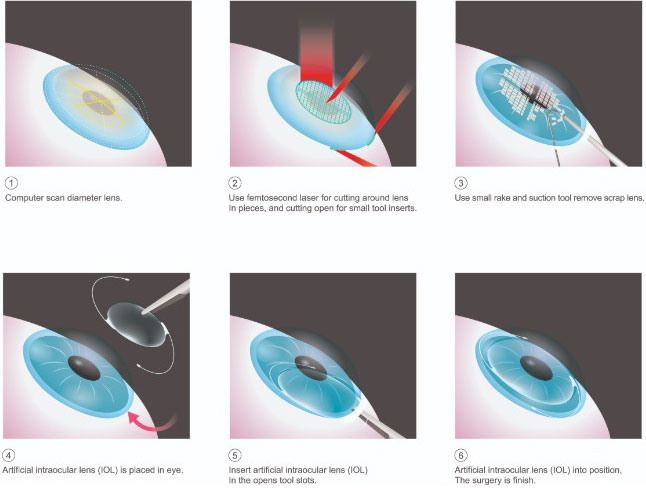
Using femtosecond lasers in cataract surgery has been one of the watershed moments. This mode of operation replaces some manual steps of the procedure with ultra-precise laser pulses, including corneal incisions, lens fragmentation, and capsulotomy (opening of the lens capsule). The advantages are largely uniformity, reduced eye stress, and accelerated healing. Patients tend to do better with fewer complications and more visual accuracy.

Phaco & Micro-Incision

Traditionally, Phacoemulsification has been the gold standard for cataract removal. It employs ultrasound energy to emulsify the cloudy lens through a tiny incision, thereby reducing trauma and speeding up recovery. As the name suggests, the latest micro-incision techniques further reduce the incision size; thus, the risk of infection and the healing period are significantly reduced. Manual Small Incision Cataract Surgery (MSICS) has also gained popularity in many developing regions. It does not require advanced machines, while its outcomes are comparable to Phacoemulsification at a low cost, which ensures that quality care is accessible to larger populations.

Precision through Smarter Measures

Laser-Enhanced Biometry

Accurate measurement of the eye’s dimensions is essential for choosing the correct intraocular lens (IOL). Laser-based biometry has now mostly superseded the traditional methods that afford highly consistent and detailed readings. It enables surgeons to calculate lens power with greater precision, reducing the chances of patients requiring corrective glasses after surgery.

Intraoperative Aberrometry

Some surgeons may use intraoperative aberrometry for real-time measurements during a patient’s operation. This system confirms or fine-tunes lens selection during surgery, ensuring the best possible outcome. This technology has proved to be a game-changer for patients undergoing previous refractive surgeries or dealing with complex eye conditions.

The New Generation of Intraocular Lenses (IOLs)

While surgical techniques have evolved, the profound IOL design change is a real revolution. These artificial lenses now have enhanced vision for each patient’s lifestyle and needs, rather than merely serving as basic lens replacements.

Monofocal Lenses

These are the most often used IOLs that provide precise vision at one fixed distance, typically far, but patients may still require glasses for near tasks like reading.

Toric Lenses

For patients with astigmatism, toric IOLs correct the irregular curvature of the cornea, allowing for sharper, clearer vision. They are available in Monofocal, multifocal, and extended depth-of-focus categories, providing flexibility to address multiple vision issues simultaneously.

Multifocal Lenses

Some patients may feel/experience halos or glare, particularly at night, despite these devices helping to reduce the wearer’s dependency on glasses when seeing far and near.

Extended Depth-of-Focus (EDOF) Lenses

With a continuous focal point, EDOF lenses extend the range of vision. They provide intermediate and distance vision and best suit patients working long hours on digital devices. EDOF lenses tend to trouble fewer people with visual disturbances relative to multifocal lenses.

Enhanced Monofocal & Trifocal Options

Some developments include enhanced Monofocal, providing sharp distance vision and increased intermediate sight. Trifocal IOLs offer even more independence from glasses, which provide near, intermediate, and distance correction in a single lens.

Light-Adjustable Lenses (LALs)

The most radical innovation is the light-adjustable lens. Following implantation, lens power can be adjusted non-invasively using UV light treatments, allowing patients to “test drive” their vision and adjust it until they achieve the desired result. This impressive degree of customisation reduces the possibility of refractive errors, reaping maximum patient satisfaction.

As with all the other things, technology upgrades the surgical process itself. Robotic systems are being integrated into cataract surgery with unparalleled accuracy and control. These systems help surgeons create precisely shaped incisions and lens positioning, thereby minimising human error and enhancing the long-term outcomes.

Robotics & Artificial Intelligence in Surgery

Artificial intelligence is another area coming up. AI software assists pre-surgical planning by analysing patient data to suggest the best IOL power and placement. Now, augmented reality overlays may provide surgeons with real-time visual guidance during surgery for improved accuracy. Robotics and AI are now turning cataract surgery into an even safer and more predictable art.

Accessibility & Affordability

High technologies are ruling in advanced hospitals, but they have not participated in ensuring accessibility in developing zones. The production of inexpensive yet quality intraocular lenses that allow millions in low-resource countries to regain sight at minimal cost manifests this. These innovations have turned cataract surgery into one of the world’s most widely practised and far-reaching medical procedures.

Benefits for Patients

Some of the direct benefits of advanced technology incorporated into cataract surgery are:-

  • Accurate targeting and correction: Precision tools and innovative measurement systems reduce error margins.
  • Rapid recovery: Small incisions with laser and minimally invasive techniques lessen healing time.
  • Less reliance on glasses: Tilt, multifocal, and EDOF are premium IOLs that put less demand on corrective lenses.
  • Customisation: Light-adjustable lenses and tailored surgical planning ensure vision correction is in sync with lifestyle needs.
  • Improved safety: Robotics and AI minimise complications and enhance consistency in surgery.

What the Future Holds

The future of cataract surgery is one of further customisation and enhanced safety. These include smart IOLs that adjust automatically according to lighting conditions, advanced robotic platforms with almost no human involvement, and AI that can predict long-term outcomes.

As they become more affordable and available, such technologies will ensure that cataract surgery remains the world’s most performed eye operation and will continue to mark the path for surgical excellence in medicine.

Conclusion

Cataract surgery has undergone a phase of transformation out of ordinariness into that of an advanced technology-driven operation. Patients are now equipped with lasers, robotics, premium intraocular lenses, and AI-guided precision. All these ensure a level of achievement that was unthinkable a few years back- a sharper vision, lesser dependence on spectacles, or a rapid recovery. It is the simulated technological advancement that offers a renovation to cataract surgery. The future seems all the more marvellous in debuting innovations that would help create a clearer, sharper vision for people across all disciplines of life.

Will You Ever Need Glasses after Cataract Surgery? Expected Results

Cataract surgery is a routine procedure that enjoys a superlative success rate: your cloudy natural lens is replaced with a clear artificial lens, dramatically improving vision. Prospective patients usually ask: “Will I still need glasses afterwards?” The answer hinges on various factors—most importantly, the type of replacement lens used, your visual goals, and how your eyes heal.

Understanding the Role of Artificial Lenses (IOLs)

An intraocular lens (IOL) replaces your natural lens, which is removed during surgery. The types and designs of these IOLs affect your vision after the surgery differently:-

  • Monofocal Lenses – These are the most common lenses found in cataract surgery with a single focus, usually to provide clear vision near or far. In other words, these lenses deliver excellent clarity for distance vision, although you will require reading glasses for near tasks.
  • Monovision or Mini-Monovision – One eye is corrected for far vision, while the other is given reading correction. You thus can do quite well at all ranges without glasses for functional purposes, but it may take a while for your brain to accept seeing differently from each eye.
  • Multifocal Lenses – These lenses are intended to provide good near and distant vision by splitting light entering the eye into multiple focal points. Many patients with multifocal IOLs achieve a spectacle-free lifestyle; however, some see halos or reduced contrast in dim lighting.
  • Extended Depth of Focus Lenses – EDOF lenses provide a continuum of vision from distance to intermediate, thus lessening reliance on glasses. Outstanding near tasks; however, you may still need reading-glass assistance.
  • Toric Lenses – Designed to correct astigmatism, toric IOLs enhance distance vision by correcting irregularities in the cornea. Depending on the type of lens chosen, reading glasses may still be needed.
  • Light-Adjustable Lenses – Controlled UV light can adjust these innovative lenses after surgery. This fine-tuning augments precision in vision, but some patients may still need glasses for certain distances after the adjustments have been made.

Your General Situation—Will You Need Glasses?

Wearing glasses after surgery will depend on the type of IOL you chose and set versus your far-near needs and recovery:-

  • IOL Type Likely Need for Glasses
  • Monofocal (distance) Near vision—reading glasses
  • Monofocal (near) Distance vision—distance glasses
  • Monovision Minimal—adaptation required
  • Multifocal Rarely—often glasses-free
  • EDOF Occasionally for fine near vision
  • Toric Depends—likely reading glasses
  • Light-Adjustable, Possible for specific distances

Temporary vs. Permanent: In Which Cases Are Glasses Necessary?

Phases of vision stabilisation progress immediately after surgery, and many surgeons recommend a period between 2 weeks and 6 weeks of waiting for the stabilisation before obtaining new prescription glasses. It accounts for both eye healing and a correct final prescription. Patients may use low-powered reading glasses (found over-the-counter) during the healing time for their comfort while reading.

If you only had surgery on one eye, your vision could feel unbalanced because of the difference between the treated and untreated eye. Your doctor may recommend wearing temporary glasses, contact lenses, or partial adjustments in your current prescription to see clearly and comfortably until the second surgery or complete stabilisation.

Why Some Glasses Are Still Necessary

There Can Be Other Reasons Why Some Glasses Are Justified

Glasses may be necessary for some patients even after IOL implantation because:-

  • Residual refractive errors, such as slight nearsightedness, farsightedness, or astigmatism.
  • Limited accommodation offered by an IOL, as not many IOLs functionally duplicate the ability of a patient’s natural lens to change focus.
  • Precision is required in certain situations, such as night driving, reading tiny print, or working with computer screens.

Patients with premium IOLs may still wish to wear glasses intermittently as a customizable enhancement to their vision.

What to Do in Advance?

  • Discuss lens choices at the beginning of your preoperative talks to ensure your daily needs and expectations align with the selected IOL.
  • Be informed about the adaptation periods and allow some time for healing before purchasing any glasses.
  • Be equipped with adaptable solutions for your vision, such as affordable readers, computer glasses, or prescription lenses for specific tasks.
  • Coordinated result if only one eye is done: Your doctor may suggest amendments like removing one lens from your current glasses or using lenses designed to balance each eye in the interim.
  • Real-Life Scenarios
  • Should your IOLs happen to be Monofocal and set at distance, then you will need a cheap pair of reading glasses to wear at home for things like reading or crafts.
  • Multifocal or EDOF lens patients may wake up daily to crisp vision at almost all distances, yet still hold on to low-power reading glasses to examine fine-print materials in less-than-optimum lighting.
  • Monovision Patients need adaptation time, where things like night driving at a distance may initially feel strange, but improve over time.
  • Suppose only one eye has been treated and there is a vast difference in prescription-anisometropia. In that case, your doctor may try modifying the interim prescription eyeglasses by taking one lens off your pre-op glasses to minimise imbalance.

Conclusion

Vision after a cataract is vastly improved, but whether you will still be wearing glasses thereafter is a matter of individual preference and optical correction approach. With careful consideration of the type of IOL and your everyday vision requirements, many will attain the maximum independence from glasses. However, a good pair of glasses, particularly for detail work or night-time activities, can provide added comfort and clarity.

Finding the Right Time for Cataract Surgery – When Is It Best?

Cataract surgery is one of the most successful and commonly performed surgical operations on the eyes globally. It establishes the most critical aspect of most people’s lives by restoring sight and brightening up colours, where everyone sees the world in black and white. But amongst all inquiries, the common one concerns an ideal age – Is there a perfect age to have cataract surgery? The simple answer is – not exactly. What matters most is how your cataract affects your daily life, not your age on the birth certificate.

The Myth of the “Perfect Age”

The “best age” for cataract surgery: Since cataracts frequently occur in one’s sixties or seventies, one gets cataract surgery around that age; however, someone may develop cataracts well before that age. Hence, an individual could require cataract surgery as early as the 40s or 50s, depending on specific lifestyle issues or other risk factors.

Age-Related or Unexpected Cataracts

  • Approximately age-related – By 60 or 70 years, an individual’s chances of lens clouding increase. So that for most of them, lens-corrected laser surgery may suffice to make their world bright again.
  • Beyond age factors – Some younger adults develop cataracts due to diabetes or trauma, long-term steroid use, excessive exposure to ultraviolet rays, or some genetically intrinsic predisposition. Hence, some cases may even require cataract surgery long before the usual age of occurrence.

Why Timing Matters

  • Quality of Life – If cataracts interfere with everyday activities, be it reading, driving, or even seeing clearly in low-light conditions, then that’s a good reason to suggest that surgery is appropriate at that point in time. In truth, when cataracts significantly affect one’s lifestyle, surgery makes a tangible change that can transform such an individual’s life.
  • Easier surgery, smoother recovery – If cataracts are still immature, the procedure will usually be shorter in duration and less complicated, and the recovery will be better. If cataracts are fully formed or dense, the procedure may take longer and may complicate the surgery.
  • No Recurrence Danger – The cataract was previously natural; now it is implanted with an artificial lens. Cataracts, therefore, never grow back. Of course, a possible complication called “posterior capsule Opacification” may occur and is quite easily treated by a simple laser procedure.
  • Age Is Just a Number – While some young patients may require surgery during their 40s, others are able to delay surgery until their 70s or 80s, primarily depending on how advanced their symptoms are and how their lifestyles demand surgical intervention.

When Younger Eyes Are Taking Over

People might think that cataract surgery was designed only for the elderly. Yet, with the rapid increase in the number of people under 50 years undergoing cataract surgery, in today’s reality, several have had their lives disrupted by terrible vision. For people struggling with challenging careers, nighttime driving, caregiving responsibilities, or even something where vision is critical, early restoration often restores clarity, confidence, and function.

The Real Decision Factors

Consideration – What to Ask Yourself

  • Vision Decline – Are blurred vision, glare, or difficulty seeing becoming troublesome?
  • Everyday Tasks Impacted – Is the cataract limiting your ability to read, drive, walk safely, or enjoy hobbies?
  • Cataract Maturity Level – Is it lightweight and early-stage, or is it dense and progressing rapidly?
  • Medical Influences – Are you on medications or have underlying conditions that could accelerate cataract formation?
  • Lifestyle Factors  Do work, light sensitivity, or nighttime driving make clear vision particularly essential?

What Experts Say

  • Average timing – By that time, most patients’ surgery falls within the late 60s or early 70s, when severe yet moderate vision decline occurs.
  • Broader Age Range – Most surgeons have operated on people from teenagers, in sporadic cases, 90 years old and older, to tailor decisions for the individual’s needs of overall eye health.
  • Advantages of Intervention Early – Surgery in younger patients primarily reports better visual prognosis, shorter time to recovery, and thus more consonant with active lifestyles.

When Cataracts Interfere – The Real Thing

What really matters is when they begin interfering with daily activities like reading medication labels, finding their way through poor lighting, or driving at night. So, looking for cataracts is not precisely what defines the right time for surgery. Instead, it’s simply an issue of how well the patient can see once the restriction is removed. An eye checkup would then be a good idea.

Making the Most of Your Surgery Timing

Your eye care specialist should have regular checkups to detect early changes to your condition and properly time your surgery.

  • Discuss all treatment options with your doctor – Ask about the different types of lenses- multifocal, toric, and light-adjustable lenses- and whether any of those might still meet your visual requirements.
  • Know what to expect during recovery – Cataract surgery is usually performed as an outpatient procedure with minimal invasiveness. It may take only a matter of minutes to complete; most patients resume normal activities within a few days.
  • Be proactive – Don’t procrastinate just because you feel, ‘I’m too young. ‘ If your cataract affects your quality of life, it may be worth considering sooner rather than later.

Final Thoughts

There really is no expiration date on cataract surgery. The most important question isn’t ‘How old am I?’ but ‘How well am I seeing?’. You might need surgery for clarity in their 40s, or someone in their 80s, still seeing pretty well without. It’s at that point where clarity is affecting the things you love to do that you consider surgery. If you’d like to brainstorm decision-making tools, patient stories, FAQs, or a ready-made close tailored to your practice, I’d be happy to help next.

Cataract Surgery: Pain, Procedure, and Recovery—What You Need to Know

Cataract surgery is one of the most commonly and successfully performed eye surgeries worldwide. The aim is to restore clear vision by removing a naturally cloudy lens and creating a clear artificial one. The whole idea of surgery could frighten anyone. Still, with the knowledge of what is done from pre-operative preparation to the moment you walk out of the hospital, it is easy to set expectations and calm down about things like pain management.

Is Cataract Surgery Painful?

During the Procedure

Most people say that cataract surgery is almost painless. The eye is patched with an anaesthetic, generally in the form of eye drops, sometimes combined with a mild sedative to keep you relaxed and comfortable. You remain awake during the procedure and may feel some light pressure or see shifting lights, but this is normal and not painful.

Immediately After Surgery

Once the anaesthetic wears off, you may feel slight irritation to your eye, e.g. itching, grittiness, or slight discomfort. These may go away with over-the-counter painkillers, lubricating eye drops, or prescription anti-inflammatories. The discomfort goes away faster—within a few days for most patients.

Rare Pain Experiences

Very few may be able to feel some discomfort during surgery; this may depend on anxiety, very dense cataracts, or inherent sensitivity. In that case, extra sedatives or an alternative approach could be given to ensure the comfort of the entire procedure.

What Goes on in the Course of Survival?

Step-by-Step Overview

  • Preparing Your Eye – The surgery site is ready and cleaned, and anaesthetic drops are administered to prevent pain. Sedatives may be given to help calm the patient if necessary.
  • Making the Incision – A tiny incision is made in the cornea with a precision blade or a laser. The incision is so small that it usually tends to seal by itself.
  • Removing The Cloudy Lens – The cloudy natural lens has to be broken down by the surgeon, usually using ultrasonic energy, and gently sucked out.
  • Inserting The Artificial Lens – A folded clear intraocular lens (IOL) is implanted at the same position the natural lens occupies. It unfolds and stays securely in place.
  • Finishing Up – Closure of the incision is either spontaneous or with some microscopic stitches. You will be taken to a recovery area to rest before going home.

What to Expect After Surgery during Recovery

Early Recovery (First Few Days)

  • Mild irritation, redness, and slight sensitivity to light are all expected.
  • OTC painkillers and lubricating eye drops can minimise these.
  • Vision usually starts to improve within 24-48 hours; many patients immediately remark on satisfaction with their clearer sight.

Days to Weeks

  • The follow-ups monitor healing and ensure everything is going well.
  • Prescription eye drops are given to stop infection and inflammation.
  • No bending over, heavy lifting, or swimming, don’t let any water in their eye.
  • The restrictions on activities are light; most people can return to their routine within a few days.

Complete Healing (4-6 weeks)

  • Vision gets stabilised during this time.
  • Full recovery and maximum blurriness clearing usually happen after 4-6 weeks.
  • Once the healing is complete, your eye surgeon will determine if you need any vision correction, like glasses.

Tips for Smooth Recovery

  • Stick to post-op instructions: Use the prescribed medications, go for follow-ups.
  • Protect your eyes: Use protective eyewear while sleeping or in dusty conditions, and avoid rubbing your eyes.
  • Comfort your eye: Lubricating drops will ease dryness, but resting is excellent for the first few days.
  • Avoid activities requiring higher attention: Your doctor should grant you the full go-ahead before any strenuous or risky stuff.
  • Be on the lookout for concerning signs: Should the New Day bring increasing pain, extreme blurriness, flashes of light, or a sudden, drastic drop in vision, contact your surgeon ASAP.

What’s Responsible for High Comfort During Surgery?

  • Tiny Incisions: The surgical approach treats against significant cuts, with most wounds being self-sealing and requiring no sutures.
  • Targeted Anaesthesia: The direct application of the anaesthetic onto the eye guarantees that you don’t feel pain during surgery.
  • No General Anaesthesia: With no general anaesthesia, recovery for the body is faster, and the risks remain lower.

Summary Table:  Quick Facts at a Glance

Topic: What to Know
Pain During Surgery: Minimal to none—local anaesthetic used
Immediate After Care: Mild irritation, manageable with drops and OTC meds
Activity Restrictions: Light—avoid strenuous or high-risk actions initially
Vision Improvement: Noticeable within days; complete stabilisation in weeks
Follow-Up Care: Essential for preventing complications and confirming healing

Conclusion

Cataract surgery provides a safe, highly effective route to clearer vision. While the thought of eye surgery might be somewhat straining, it is essentially painless, has a speedy recovery, and imparts a profound and profound improvement in visual clarity and life quality for everyone. Most patients return to their daily routine in a few days and see much better almost immediately.

Post-Cataract Wavy Vision: Is it Normal or a Sign of Concern?

Cataract extraction is the most commonly performed eye procedure worldwide, followed by an excellent success rate. For most individuals, the aftereffects can be life-changing: clearer vision, vibrant colours, and improved quality of life. However, in some cases, after surgery, the patient may go through some rather unusual events during the recovery time. One of the features that makes many patients somewhat apprehensive after surgery is wavy lines or some kind of distortion that appears post-procedure.

Is this something dangerous, or a natural part of healing? Let us look at what causes wavy vision after cataract surgery and what will be normal or not require Attention. What To Do (those things that can help the best possible improvement) to ensure the best possible recovery after cataract surgery.

What Makes Straight Lines Wavy After Surgery?

High levels of distortion or waviness after cataract surgery bring anxiety to most people, but do not usually mean something serious. The following are the most common reasons identified for the condition:-

Adjusting the Visual System

Replacement of the cloudy cataract lens by the artificial intraocular lens (IOL) requires time for adaptation by the eyes and the brain. During this phase of adaptation, light that is processed differently by the brain can give rise to temporary distortions such as wavy or curved lines. It compensates itself usually within a few days to weeks.

Cystoid Macular Oedema

Sometimes, a slight swelling of the central area of the retina, the part responsible for sharp vision, sometimes occurs. It causes those lines to be wavy or unclear. Cystoid macular oedema is the name of the illness. Treating it with anti-inflammatory eye drops or injections at home resolves it and returns normal vision.

Epiretinal Membrane

Sometimes, a skinny layer of scar tissue develops on the retina’s surface, which causes wrinkling of the macula. It is called an epiretinal membrane, or more commonly, macular pucker. It can create an optical distortion when viewing bent straight lines. Minor degrees of this disorder may not require intervention. More severe cases might require specialised surgery to remove the membrane.

Lens Visual Phenomena

Some patients have some optical side effects caused by the artificial lens implanted during surgery. Halos, glare, or shadowing phenomena are collectively termed dysphotopsia. Most of these symptoms subside as the eye adapts, but a few patients still complain of persistent distortions and need corrective approaches.

Is Wavy Vision Normal or an Alarm Code?

Wavy vision is often not serious in most cases after cataract surgery. It is often just part of the ordinary healing and adaptation process.

Generally Normal

  • Mild distortion for the first few days after surgery.
  • Symptoms are gradually improving over time.
  • No other warning signs such as pain or severe loss of vision, or flashes of light.

When Something is Wrong

  • Getting worse, rather than improving, distortion.
  • Blurred central vision or trouble with reading.
  • Symptoms appear, and new ones develop, like flashes of light, floating spots, or a dark curtain in your vision.
  • Increased redness, pain, or swelling of the eye.

If any of these warning signs occur, there should be an immediate consultation because these may indicate serious complications such as macular swelling, retinal detachment, or even worse things.

What Can Be Done about Persistent Wavy Vision?

The kind of treatment prescribed depends on what causes the disease. Here are some of the common approaches:-

  • Watch & Wait – For mild symptoms that show up a little after surgery, your physician may suggest watchful waiting for several weeks because, in many cases, natural adaptation will cure this issue.
  • Eye Drops or Injections – When macular swelling is found, those anti-inflammatory eye drops or injections into the eye will lessen the fluid and clear the way to recover the good vision.
  • Surgical Intervention – Where an epiretinal membrane is involved, the procedure to be done is vitrectomy, which consists in peeling off the scar tissue. This type of surgery would almost certainly improve distortion, although the time needed for recovery can vary.
  • Corrective Lens Problems – In cases where the artificial lens causes an enduring optical disturbance, lens repositioning, changing to a different lens type, or employing several corrective techniques are among the possible solutions.

Cataract Surgery Recovery—Tips for a Smooth Recovery

  • Follow Post-Operative Instructions: Use the prescribed eye drops according to instructions and attend all appointments.
  • Protect Your Eyes: Do not rub your eyes; wear protective glasses when necessary.
  • Monitor Your Vision: Keep a record of any changes. Instruments like an Amsler grid can be helpful at home to detect early distortions in central vision.
  • Talk to Your Doctor: Report any unusual or more bothersome experiences.

Can Wavy Vision Be Prevented?

Though the cases can never be entirely prevented, pursuing a carefully planned surgery and duly carried out post-operative measures significantly reduces any risk. Patients already having retinal conditions should address this prior to surgery with the ophthalmologist. In some cases, extra measures or adjunctive treatment could be provided to lessen the risk of complications.

When to Seek Urgent Care

Seek immediate care if:-

  • Sudden increase in distortion or blurring.
  • Flashes of light, or a sudden shower of floaters.
  • A curtain or shadow moving across your field of vision.
  • Severe pain in the eye or sudden loss of vision.

These could be the signs of retinal detachment and other emergencies that must be treated promptly to prevent permanent vision loss.

Conclusion

The presence of wavy or distorted vision after cataract surgery can be disconcerting; however, in many cases, it is a transitory phase of adjustment of the eyes to the new lens. Nevertheless, the persistence or aggravation of symptoms must never be brushed away. Early detection and timely treatment of complications can differentiate between a smooth recovery with minor hiccups and prolonged visual impairment.

Best Intraocular Lenses (IOLs) for Cataract Surgery – How to Choose the Right Lens in India

Cataract surgery is gaining ground as one of the most frequently performed and successful surgical procedures worldwide. Within India, cataracts remain the number one cause of preventable blindness. Timely cataract surgery could improve an individual’s life drastically, so before cataract surgery is performed, one of the most contentious decisions is to select the most appropriate intraocular lens (IOL).

This article highlights all the different types of IOLs, the flat characteristics of the same and the selection of an optimal one, along with considerations for Indian patients that should be taken while making such an important decision.

What is an Intraocular Lens (IOL)?

An intraocular lens is an artificial lens implanted in the eye to replace the natural lens of the eye, which was removed during cataract surgery. These lenses are manufactured from biocompatible materials such as silicone, acrylic or hydrophobic ones that can last a lifetime when implanted in your eye.

Why does it matter to choose an appropriate IOL?

Your choice of IOL can considerably affect most of the following:-

  • Your vision at distance will often determine whether or not glasses are required for close and intermediate viewing.
  • Your need for glasses.
  • Any visual disturbances like halos or glare that you encounter, particularly at night.
  • Overall satisfaction with the surgery experience.

Clearly, each lens would have advantages and disadvantages. Therefore, making the right choice would advocate that the lens matches the lifestyle and vision needs as well as the good eye health the patient possesses.

Intraocular Lenses Types Available In India

Monofocal IOLs

  • Function – Gives clear vision at only one fixed distance (usually far).
  • Limitation – You may have to wear glasses for near or intermediate tasks.
  • Best for – People who do not mind using reading glasses and like clear visual distances.

Multifocal IOLs

  • Function – These lenses have multiple zones for focusing at different distances – near, intermediate, and far.
  • Limitation – Some individuals may complain of night glare or halos while wearing these lenses.
  • Best for – Those wanting to eliminate the need for glasses across the board.

Extended Depth of Focus (EDOF) IOLs

  • FunctionProvide a continuous range of vision, especially good intermediate and distance vision, with fewer visual disturbances than multifocal IOLs.
  • Best for – Spectacle independence and minimal side effects.

Toric IOLs

  • Function – Correct pre-existing astigmatism along with cataracts.
  • Limitation – Not suitable for people without astigmatism.
  • Best for Cataract patients with significant corneal astigmatism.

Accommodating IOLs

  • Function – Mimics the natural movements of the lens within the eye to attempt focusing at different distances. 
  • Limitation – Cannot be as strong for up-close clarity as a multifocal IOL.
  • Best for – Dynamic vision with minimal optical side effects.

What tests are done before recommending an IOL?

An ophthalmologist may conduct the following tests before recommending a suitable IOL:

Biometry (for IOL power calculation) – Measurements to get the eye dimensions so that the right lens power can be calculated.

  • Keratometries – This determines the curvature of the cornea to check for astigmatism.
  • Topography & Tomography – Advanced mapping of the cornea.
  • OCT (Optical Coherence Tomography) – Checks the retina and macula for pre-existing conditions.
  • Tear Film Assessment – Evaluates dry eye severity, which may affect IOL outcomes.

Ways To Choose The Right IOL

  • Lifestyle Needs – Read a lot? Drive at night? Work on screens?
  • Flexibility on Budget – Options vary in affordability, but that’s not gone into here.
  • Existing Eye Conditions – Astigmatism, diabetic retinopathy, or macular degeneration may limit IOL choices.
  • Vision Expectations – Are you okay with using glasses sometimes or want complete freedom?
  • Occupation – Some jobs may be improved using an EDOF IOL, such as those who stare long hours at computers.

Features Monofocal IOL Multifocal IOL EDOF IOL
Vision Range Monofocal Polyfocal Extended Vision
Night Vision Excellent Might Cause Blurriness Better than Multifocal
Spectacular Independence Good (Low) Good (High) Moderate to High
Cost & Availability Quite There Becoming Rather Popular Gaining Ground in India

FAQ:

Will I be allowed to choose my desired IOL?

Yes, but your surgeon will make the choice after a thorough evaluation.

Hearing about the use of different IOLs on either eye, is it possible?

In certain cases, blended vision or Monovision may be applied. This gives the edge regarding distance and near vision.

In what ways are the side effects of premium IOLs?

Some patients report glare, halo, and lack of contrast sensitivity immediately after surgery with multifocal lenses. Most patients improve after some time.

Will glasses be required after the surgery?

It depends on the IOL being used. With the Monofocal lens, glasses for reading will be required. In contrast, with the multifocal or EDOF lenses, there might be less or no need for spectacles.

Eye care after surgery:-

  • Apply prescribed eye drops regularly to reduce infection or inflammation risk.
  • Avoid rubbing and pressing on the eye.
  • Protect your eyes from dust and water for 7 to 10 days.
  • Follow up with the eye surgeon as directed.

Why Ojas Eye Hospital Is Chosen For Cataract Surgery?

Ojas Eye Hospital in Mumbai City is renowned for advanced cataract surgery and IOL implantations. Below are some of the strengths of this hospital:-

  • Comprehensive Diagnostics – The detailed pre-evaluation assessment has been made possible with the help of modern equipment such as OCT, topography, and laser biometry, to mention a few.
  • Wide Range of IOL Options – From Monofocal to toric, multifocal, and EDOF premium lenses, we provide specialised solutions for the patients’ needs.
  • Advanced Surgical Techniques – Micro incision and bladeless cataract surgeries for improved recovery and better results.
  • Care The Patient – All patients receive caring, sophisticated and complete support from counselling to post-op care.
  • State-of-the-Art Facilities – State-of-the-art OT infrastructure, infection control, and diagnostic labs are all under one roof.

Conclusion

Choosing the right IOL is just as important as the cataract surgery itself. It is a long-term decision that will affect how you experience your world daily. With good medical advice, state-of-the-art diagnostic technology, and their surgical expertise, restoring one’s vision has also facilitated restoration of self-confidence and independence.

Be clear again, right about IOL and definite care.

Prelex Surgery (Presbyopic Lens Exchange): A Forever Cure for Unobstructed Vision

Introduction to Prelex Surgery (Presbyopic Lens Exchange)

As people age, they inevitably begin experiencing declining eyesight, especially in near work like reading, writing, or using a Smartphone. This is presbyopia, an affliction that typically hits after the age of 40 and continues to worsen with every year. Prelex Surgery (Presbyopic Lens Exchange) has been an ideal and cutting-edge solution to correct presbyopia and restore clear vision without the use of reading glasses or bifocals.

Prelex Surgery is the removal of the natural lens of the eye and the implantation of a multifocal intraocular lens (IOL), thereby the patient can enjoy sharp and clear vision at near, intermediate, and far distances. It is very useful for patients who suffer from presbyopia, cataract, or high refractive error and need a permanent remedy for sharp vision.

In this article, we are going to discuss everything about Prelex Surgery, such as its procedure, advantages, suitability, recovery process, and why it is a life-altering treatment for aging eyes.

What is Prelex Surgery (Presbyopic Lens Exchange)?

Prelex Surgery, Presbyopic Lens Exchange, or Refractive Lens Exchange (RLE) is a focused eye surgery in which the normal eye lens is replaced with an artificial intraocular lens (IOL) so that vision becomes clear at any distance.

It is essentially done to:-

  • Improve presbyopia (the age-related issue of seeing close-up objects).
  • Stop the need for reading glasses, bifocals, or contact lenses.
  • Treat clear vision at more than one distance – near, intermediate, and far.
  • Avoid future development of cataracts since the natural lens is exchanged with an artificial lens.

The operation is identical to cataract surgery but is done particularly in individuals desiring long-term correction for presbyopia or refraction error even before the cataract has been formed.

Who is a Candidate for Prelex Surgery?

Prelex Surgery can be performed best for patients who:-

Suffer from Presbyopia (Decline of Vision Due to Age)

If you are experiencing it hard to read books, newspapers, mobile screens, or near work without reading glasses or bifocals, then you might be an ideal candidate for Prelex Surgery.

Have High Refractive Errors

People who suffer from high myopia (nearsightedness), hyperopia (farsightedness), or astigmatism and do not want to wear glasses or contact lenses can be treated with the help of Prelex Surgery.

Do Not Want to Undergo Cataract Surgery in the Future

Since Prelex Surgery replaces the natural lens of the eye, it eliminates the risk of future cataracts as well. This is an excellent preventive measure for people who want clear vision in the long run.

Are over the Age of 40

Prelex Surgery is typically recommended for patients over 40 years of age with age-related vision loss and who want a permanent solution to avoid reading glasses or bifocals.

Want Long-Term Clear Vision without Glasses

If you do not want to use bifocals or progressive lenses or reading glasses, then Prelex Surgery will allow you to have uncorrected clear vision for all distances.

How Is Prelex Surgery Done? (Procedure)

The Prelex Surgery is the same as cataract surgery except that the procedure is conducted on patients who do not have a cataract but who want to correct presbyopia or hyper refractive errors. Below is how the process is carried out:

Step 1: First Consultation and Eye Check-Up

  • Your eye check-up will be conducted by the ophthalmologist, including any measurement of visual acuity, cornea thickness, intraocular pressure, and lens condition.
  • Your vision needs and lifestyle will also be discussed with your doctor to ascertain the best intraocular lens (IOL) for your use.

Step 2: Administration of Anesthesia

  • Local anesthesia (eye drops) is administered on the day of surgery to anesthetize the eye and make the surgery painless.
  • The patient is awake but comfortable throughout the process.

Step 3: Removal of the Natural Lens

The physician makes a minute incision in the cornea (eyelid surface) and employs an ultrasound machine (Phacoemulsification) to break down and take out the natural lens.

Step 4: Implantation of the Artificial Lens (IOL)

  • A multifocal intraocular lens (IOL) is placed in the eye when the natural lens is extracted.
  • This lens offers uninterrupted vision at every distance (near, intermediate, and far) without glasses or bifocals.

Step 5: Rapid Recovery

  • The eye heals automatically without stitches.
  • The whole process takes 15-20 minutes per eye.
  • Patients usually enjoy enhanced vision 24-48 hours following surgery.

Advantages of Prelex Surgery (Presbyopic Lens Exchange)

Forever Clear Vision without Glasses

Prelex Surgery removes the requirement of reading glasses, contact lenses, or bifocals and gives clear vision at any distance.

Avoids Cataracts in the Future

Since the natural lens is exchanged with an artificial lens, there is no chance of developing cataracts in the future.

Painless & Short Procedure

The whole process is only 15-20 minutes per eye and painless because of local anesthesia.

Shorter Downtime & Faster Recovery

Patients are back to their routine within days, with greatly enhanced vision.

Permanent Results

The artificial lens implanted in Prelex Surgery lasts for a lifetime, providing decades of clear vision.

Enhanced Quality of Life

Prelex Surgery restores independence, comfort, and confidence by having clear vision without the hassle of glasses or contact lenses.

Recovery from Prelex Surgery

Recovery from Prelex Surgery is easy and fast. The following is what you can expect:-

  • Tipsy clear vision begins in 24-48 hours.
  • Temporary mild itching, blurriness, or dryness may be experienced.
  • Avoid rubbing eyes, swimming, or heavy activities for several weeks.
  • Follow doctor’s orders with prescribed eye drops.
  • Visual stabilization takes place in 3-4 weeks.

Why Choose Our Eye Hospital for Prelex Surgery?

Experienced Surgeons

Our experienced eye surgeons are well-trained and skilled in Prelex Surgery and have performed numerous successful surgeries.

Advanced Technology

We employ advanced technology to implant the lens accurately and provide quick recovery.

Personalized Care

We provide personalized treatment plans according to your vision requirements and lifestyle.

High Success Rate

Our hospital boasts an extremely high success rate for Prelex Surgery, which provides clear, sharp, and permanent vision.

Conclusion

Prelex Surgery (Presbyopic Lens Exchange) is a life-altering surgery for people suffering from age-related loss of vision (presbyopia) or significant refractive errors. By exchanging the natural lens with a multifocal intraocular lens (IOL), patients can have clear, sharp vision without the need for glasses or contact lenses throughout their lives. If you are more than 40 years old and fed up with wearing reading glasses, then Prelex Surgery might just be your ideal option. Our Eye Hospital is committed to restoring your vision and changing your life.

Risks of Phacoemulsification: A Guide from an Ophthalmologist

Phacoemulsification is a widely performed surgical procedure to remove cataracts and restore clear vision. While it is considered a safe and effective procedure, like any surgical intervention, it is essential to be aware of potential risks and complications. Phacoemulsification surgery is an advanced method that uses ultrasound energy to emulsify the nucleus, which is then removed through a micro-incision. Then, a tiny, flexible lens is put in the same spot. This whole process is quick, doesn’t need any stitches, doesn’t cause bleeding, and doesn’t hurt much. It helps you get better quickly.

In this article, we will discuss the risks associated with phacoemulsification, providing details for those considering or preparing for the procedure.

Who is more prone to the risks during phacoemulsification?

The following risk factors need to be considered before undergoing the phacoemulsification procedure:

  • Extremes of age
  • Other eye conditions
  • Complicated cataracts
  • Smoking
  • Having certain retinal disorders
  • Had eye surgery before.
  • Having a past problem with your eyes or an injury
  • Using certain medicines for a long time, especially ones like steroids
  • Having health issues like diabetes, high blood pressure, or being very overweight

What are the risks of phacoemulsification for cataract removal?

The general risks of phacoemulsification may include:

  • Discomfort like mild pain, dryness, or itching for a few days after the surgery
  • Increased eye pressure
  • Persistent pain or inflammation
  • Blurry or decreased vision
  • Some might have an allergic reaction
  • Redness and discharge from the eye
  • There could be swelling and bruising around the eyelid area

Additionally, there is a long-term risk known as ‘secondary cataract’, which can develop at any time after the cataract surgery.

Regular follow-up appointments after surgery are crucial to monitor recovery progress and detect any potential complications early. If you experience any of these risks, it’s important to seek medical advice from an eye doctor promptly.

How to minimize the chances of risks after getting a phacoemulsification procedure?

Minimizing the chances of post-surgery risks of phacoemulsification involves taking some precautions and following medical advice, which includes:

  • Adhere to all the instructions provided by your eye surgeon
  • Protect your eyes
  • Wear eye protection
  • Avoid rubbing your eyes
  • Maintain a healthy lifestyle
  • Make sure that your environment is clean
  • Take all the prescribed eye drops or medications
  • Attend all the scheduled follow-up appointments
  • If you experience any unexpected symptoms, contact your eye doctor immediately.

Rely on the expert’s words from Ojas – Eye Hospital in Mumbai

Phacoemulsification is a highly effective and safe procedure for treating cataracts and restoring clear vision. While risks are minimal, it is essential to be aware of potential complications and to have a discussion with your ophthalmologist. By understanding these risks and following post-operative care instructions diligently, you can increase the likelihood of a successful outcome and enjoy improved vision.

At Ojas – Eye Hospital in Mumbai, the eye surgeon will carefully evaluate each patient’s specific situation and make recommendations based on their individual circumstances. Always consult with our eye surgeon for personalized advice and recommendations.

Is There Any Risk In Delaying The Cataract Surgery?

One of the most common eye conditions in people over 40 is cataract. Though ageing is considered to be the main reason, other factors, including heredity, sun exposure, etc., can also contribute. It is not a life-threatening issue, but it should still be addressed on time. The clouding of the eye lens, known as a cataract, requires surgery to remove it.

Cataracts can cause major issues if ignored. The only way to treat it, is through surgery because it cannot be treated with eyeglasses, eye drops, or drugs.

If you don’t get cataract surgery, the cataract, which is a clouding of the natural lens in the eye, will continue to progress and may eventually lead to several vision-related problems and complications.

Here are some potential consequences of not undergoing cataract surgery:

  • Vision impairment: Cataracts cause progressive vision loss. Initially, you may experience blurry or cloudy vision, difficulty in reading and problems with glare or seeing in bright light. As the cataract worsens, your vision may deteriorate further, leading to significant visual impairment.
  • Difficulty performing daily activities: Cataracts can interfere with your ability to perform routine tasks such as reading, driving, watching TV and recognizing faces. Your overall quality of life may be affected as you struggle with decreased visual acuity.
  • Increased risk of accidents: Impaired vision due to cataracts increases the risk of accidents, such as falls or collisions. The reduced clarity and contrast sensitivity can make it challenging to navigate your surroundings safely, particularly in low-light conditions or unfamiliar environments.
  • Negative impact on independence and lifestyle: Cataracts can limit your independence and affect your lifestyle. Engaging in activities you once enjoyed, such as sports or hobbies, may become difficult or impossible due to compromised vision.
  • Secondary issues: Advanced cataracts can lead to secondary issues such as glaucoma, inflammation, and retinal detachment. These conditions can further impair vision and may require additional treatments or surgeries.


A note from Ojas – Eye Hospital

It’s important to note that cataracts do not go away on their own. Once a cataract has developed, the only effective treatment is surgical removal. Cataract surgery is a commonly performed procedure that involves replacing the clouded natural lens with an artificial intraocular lens (IOL). The surgery is generally safe and highly successful in restoring vision and improving quality of life for most individuals.

If you suspect you have cataracts or have been diagnosed with them, it is advisable to consult with an ophthalmologist to discuss the best course of action and determine if cataract surgery is appropriate for you.

Why should you visit Ojas – Eye Hospital for cataract surgery?

If you’re looking for an eye hospital to have cataract surgery, head to Ojas – Eye Hospital. We have performed numerous cataract operations in Mumbai to treat a large number of patients who had cataracts. We use the most recent equipment and technology to make the treatment easy and comfortable for our patients. Why are you still waiting? Schedule a consultation right away with the top eye doctors at Ojas – Eye Hospital in Mumbai.

Phacoemulsification – One Of The Best Cataract-Removal Procedures!

If you’re considering having cataract surgery, you might already be aware that your surgeon intends to use phacoemulsification(laser energy) to remove the cataractous lens of your eye during surgery.High-frequency sound waves produced by portable ultrasound equipment break up the lens into an emulsified gelatinous mass. Finally, the mass is flushed with sterile liquids and vacuumed out of the eye.

Why is phacoemulsificationcataract surgery necessary?

The eye’s lens becomes clouded by a cataract, impairing vision and making daily tasks difficult. The only way to successfully restore vision that cataracts have impaired is through surgery to remove them and replace them with long-lasting artificial lenses. Your doctor may advise surgery to remove your natural lens and replace it with an artificial one if your cataract causes your vision to become blurry. You’ll be able to see better after the routine.

Why is phacoemulsification cataract surgeryrequired?

A cataract causes the eye’s lens to become cloudy, obstructing vision and making daily tasks challenging. Only surgical removal of the natural lenses and replacement of them with durable artificial lenses can properly restore eyesight that has been affected by cataracts. If your cataract is causing your vision to become hazy, your ophthalmologist may recommend surgery to replace your lens with an artificial one. After the procedure, you’ll be able to see more clearly.

Phacoemulsification cataract surgery vs. Other cataract surgeries

One of the three main forms of surgery used to treat cataracts is phacoemulsification, and the others include:

  • Femtosecond laser-assisted cataract surgery (FLACS): This treatment involves cutting the capsule with a laser and removing the lens.
  • Extracapsular cataract extraction (ECCE): an older treatment procedure that involves the cutting of the cornea with a scalpel to remove the lens.

Prior to the invention of phacoemulsification, the surgeons would remove the whole lens and capsule, making it challenging to precisely place the replacement lens. As a result, the majority of people were forced to use bulky, heavy eyeglasses to treat their farsightedness.

Phacoemulsification improved the situation significantly because, in most cases, the new lens corrected vision immediately and permanently integrated into the eye.

Who is a good candidate for phacoemulsification cataract surgery?

If you are at least forty years old and exhibit any of the following symptoms, you may have cataracts and require cataract surgery.

  • Blurred or distorted vision
  • Double vision
  • Poor night vision
  • Colors appear faded
  • Sensitivity to lights
  • Halos around lights

Steps of phacoemulsificationcataract surgery

When performing cataract surgery, the natural lens of the eye is removed via a procedure called phacoemulsification. The following are the phacoemulsification steps:

  • The cataract surgeon makes a tiny corneal incision.
  • To break the lens, the surgeon uses a probe that emits ultrasonic waves.
  • The remnants of the lens are then removed by the eye surgeon using suction.
  • Let’s look at some advantages of phacoemulsification cataract surgery

    For the following reasons, phacoemulsification has quickly established itself as the gold standard for cataract surgery:

    • The most significant benefit is visual rehabilitation.
    • Small cuts that typically don’t need sutures or stitches.
    • Better vision results in more confidence.
    • Most patients find it easy to resume their regular activities within two to three days of surgery.
    • Big relief from the anxiety of going blind.

    Why should I choose Ojas – Eye Hospital?

    Ojas – Eye Hospital in Mumbai provides the most advanced technologies, surgical procedures, and diagnostic tools all under one roof. Ojas – Eye Hospital, a full-service eye care facility with capabilities for cutting-edge phacoemulsification cataract surgery techniques, has access to the best, most dedicated, and most knowledgeable ophthalmologists.

How Long Should I Wait To Exercise After Cataract Surgery?

Following cataract surgery, you can return home right away, which is usual and safe. However, you will need to wait before returning to your regular workout routine, as with most surgeries.

 Within the first week, you can engage in some light exercise, but you should hold off on more demanding activities for a few weeks. This will guarantee that your eye heals properly.Continue reading to discover more about safe exercises after cataract surgery.

How long after cataract surgery should you avoid exercising?

The best guidance regarding when you can exercise after cataract surgery comes from your eye specialist. Be sure to stand by their recommendations since they may have knowledge of your specific situation.

The following timeline provides a basic guideline for when you can resume certain types of physical activity:


Week 1 following surgery

You can engage in low-impact physical activities the week following surgery, such as:

  • Walking outside
  •  Light stretching
  • Mild treadmill exercise
  • Simple household work

Avoid bending over or lifting anything that weighs more than 10 to 15 pounds, including groceries and laundry. Your eyes may become more stressed as a result, which might prevent appropriate recovery.

Week 2 following surgery

Your doctor might give you the go-ahead for moderate-intensity exercises after two weeks, including:

  • Yoga
  • Jogging
  • Brisk walking
  • Slow dancing

4 to 6 weeks following surgery

You should be able to start doing more strenuous physical activities again. These may consist of:

  • Lifting weights
  • Running
  • Swimming
  • Hard cycling

Once more, consult your ophthalmologist before starting this intensity of exercise.

Do not forget to ask any further questions you may have regarding cataract surgery! Our eye specialists at Ojas – Eye Hospital in Mumbai are available to assist you through this operation so you may once again see clearly and precisely!

Cataract Surgery: Why You Should Not Delay Or Avoid It!

Although cataract surgery is a simple solution for cataract in older folks, some people are anxious about it. ‘What if my doctor finds cataracts?’, ‘Should I proceed with the procedure?’are common concerns that run through a patient’s mind. Continue reading to learn what can occur if you delay having this major operation.

How do cataracts occur?

Our eyes have a natural lens inside them to aid with vision, the lens bends or refracts light rays entering the eye. Cataract is clouding of this natural lens in your eye. Although mild cataracts may not show any symptoms, as they progress, cataracts can alter your vision.


What happens if cataract surgery is delayed or avoided?

This procedure is not urgent, so you can put it off for some time. However, if it is interfering with your regular activities, like night driving, reading , fine work etc.  you should think about having the operation done as soon as possible.

It can worsen and cause the following issues if postponed or ignored for a long period of time:

  • Impact on your day-to-day activities: The cataract develops relatively gradually, but if it becomes advanced, it can interfere with your normal activities. You might not be able to carry out routine tasks like reading a newspaper, knitting, using electronics, etc.
  • Inability to drive at night: The very first indication of a cataract is poor night vision. As a result, nighttime driving becomes challenging.
  • Cataracts are one of the main causes of vision loss: If neglected, they can seriously impair your vision. It is impossible to identify the contributing components or predict how quickly they grow. Therefore, it is advised to have cataract surgery as soon as possible.
  • A cataract may become hyper-mature: If you put off having cataract surgery for a longer period of time, the cataract may hyper-mature (over – ripe)  and operating on such cataracts becomes challenging and the risk of complications also increase.
  • Increased recovery time: Recovery period post surgery in advanced cataracts is prolonged.

The following are the additional risks of delaying cataract surgery:

  • Glaucoma
  • Poor vision
  • Sudden headache
  • Eye inflammation

You shouldn’t avoid or delay having surgery due to the risks and problems listed above, because doing so would lower your quality of life and productivity. For the best outcomes, have the operation performed by a well-qualified and skilled ophthalmologist.

Why you should visit Ojas – Eye Hospital for cataract surgery?

Ojas – Eye Hospital is the place to go if you’re seeking for an eye hospital to have cataract surgery. In Mumbai, we have treated many patients who had cataracts by performing lots of cataract operations. To make the procedure simple and comfortable for our patients, we use the newest tools and technology. Why are you holding out? Make an appointment with the best eye specialists at Ojas – Eye Hospital in Mumbai right away.

Our Cutting-Edge Technology Benefits Cataract Patients Following Surgery

When the eye’s natural lens hardens and gets hazy, a cataract develops. The hazy lens must be taken out and a new lens put in its place as the only effective treatment for cataracts. We’re delighted to be one of the most technologically advanced eye facilities in addition to having the greatest cataract surgeons in Mumbai. We are the pioneers in providing the Light Adjustable Lens (LAL), a revolutionary new lens implant, specifically for the treatment of eye cataracts, and many of our cataract surgery patients have benefited from this.

When compared to a straightforward single-focus lens implant, the technology is intended to improve how well you can see without glasses. It is the first and only intraocular lens implant with FDA approval that may be modified following cataract surgery. The LAL enables our physicians to collaborate with patients and achieve the best possible outcomes for each individual eye.


What is a cataract?

The clouding of the eye’s lens is known as a cataract. Although it is harmless, it may cause hazy vision, which worsens at night or in low light. As people age, their lenses will typically start to get foggy. However, cataracts typically take time to form. We may suggest cataract surgery if they start to affect your quality of life.

Do you think I’m qualified for the Light Adjustable Lens?

Surgery to implant Light Adjustable Lenses is best for a patient who:

  • Carries cataracts
  • Older than 18
  • Does not have any health issues that would make it harder for them to heal correctly

Call to arrange a consultation to go over your medical background and your vision goals in order to find out more about your eligibility for this cutting-edge technology. The Light Adjustable Lens is a great option for the majority of cataract patients. After surgery, it restores your vision so that you no longer require corrective contacts or glasses.

Here are some details about this technology and how our tech-savvy attitude helps people recover after cataract surgery.

  • Prescription flexibility: Traditional IOLs don’t allow for post-operative adjustments. However, there is room for flexibility with the LAL. A surgeon performs an office-based UV light treatment two to three weeks following cataract surgery to modify the prescription of the IOL while it is implanted.  According to their preferences and lifestyle requirements, patients even have the unique possibility to preview and evaluate various vision outcomes.
  • Numerous treatment possibilities: If your vision isn’t flawless after the first UV light treatment, you don’t have to accept it. It has been shown to be quite helpful to repeat these light sessions two to four times until you reach your vision goals.
  • Complete comfort: The fact that these post-operative therapies are non-invasive, rapid, and painless is one of the most alluring advantages of the LAL lens. For patients who may have felt pain during cataract surgery and the healing process and are ready for relief, this is frequently quite pleasant news.

Our highly qualified eye specialists at Ojas – Eye Hospital in Mumbai can review your options for cataract lenses during a consultation and address any concerns you may have regarding the recovery period following cataract surgery. They can even provide the cutting-edge technology, the Light Adjustable Lens, which provides clear vision after surgery. Contact us to set up a consultation if you’re interested in learning if you qualify for cataract removal.

Is my cataract causing cloudy vision?

Do you have cataracts that make daily life more difficult for you? Your eye doctor might not immediately suggest surgery if you have cataracts.

Cataracts can develop for years or even decades before they start to impair your vision. At this point, you might not even be aware that you have cataracts!

The only way to treat cataracts is to have cataract surgery to remove them. But if your cataracts aren’t severe enough, your ophthalmologist probably won’t recommend surgery until your quality of life is compromised.

What results in the normal lens of the eye becoming cloudy?

A number of causes can promote cataract growth in the eye:

  • Age is the most common cause. Although cataracts can develop at any age, an eye surgeon will typically begin to notice the lens becoming clouded between the ages of 40 and 50. After the age of 60, cataracts usually get advanced enough to start affecting eyesight.
  • People who have diabetes.
  • People using drugs like steroids
  • People who smoke or consume large amounts of alcohol are thought to be at higher risk.
  • A severe injury can cause cataract formation either quickly or gradually at any age.

Symptoms of cataract

Cataracts can significantly affect vision, particularly if they are not treated. The challenging aspect of cataracts is that visual acuity typically deteriorates very gradually. It may be difficult to notice the gradual loss of vision.

As a result, keep an eye out for these signs at all times:

  • Double vision
  • Blurry vision
  • Halos around light sources
  • Difficulty seeing in low light
  • Heightened sensitivity to light or shiny items
  • Daytime or nighttime vision challenges
  • Decreased ability to see any contrast between colors

Keep in mind that not all of these signs and symptoms are necessary for a cataract to be suspected. It only takes one symptom to prompt a trip to the ophthalmologist.

When my cataract needs to be treated

After a thorough examination, the doctor will decide the best course of action. Currently, the only option to remove cataracts is through surgery, which is usually done on an elective basis.

If you visit your eye doctor as recommended on a regular basis, you have a better chance of being diagnosed with cataracts quickly. Since cataracts can take years to grow, your eye doctor is likely to wait until your quality of life is significantly impacted before recommending treatment.

You’ll know it’s time for cataract surgery when your vision is significantly affected by cataracts to the point that doing daily duties becomes challenging.

You may expect comprehensive answers to any of your queries at Ojas – Eye Hospital in Mumbai. The eye surgeons here have years of experience performing cataract surgeries using different types of lenses. By choosing us for your cataract surgery, you are giving yourself the best possible treatment. For more information on cataract surgery, get in touch with Ojas – Eye Hospital.

Is It Possible To Get Cataracts Again After Surgery?

Did you undergo cataract surgery? Are you now noticing a change in your vision? You might be wondering, “Can cataracts come back after surgery?” if you had cataract surgery and are now having vision problems. Continue reading to learn more about cataract surgery and whether or not cataracts can return after surgery.

Why do cataracts occur?

Clouding of the eye’s lens is known as a cataract. This clouding prevents the incoming light from correctly focusing on the retina. Different areas of the lens may be affected, and different symptoms of cataracts may occur.

Treatment options for cataracts

Surgery is the only method of cataract therapy. The eye’s cataract-damaged lens is removed during cataract surgery. The damaged lens is subsequently replaced with an artificial intraocular lens by the eye surgeon.

Can cataracts recur following surgery?

After surgery, cataracts cannot recur. The clouded lens of the eye is removed during cataract surgery, and a synthetic lens is then placed in its place. A cataract cannot form on an artificial lens. However, the lens capsule( the natural support on which the artificial lens sits) could become hazy following surgery. This may result in hazy vision and symptoms resembling cataracts.

After surgery, symptoms may appear months or years later. Sometimes, this condition is referred to as a “secondary cataract.” It’s posterior capsular opacification, in fact. Although posterior capsular opacification is the most frequent post-cataract surgery complication, it only happens in a small percentage of individuals.

What signs indicate a posterior capsular opacification?

If you’ve undergone cataract surgery, you can definitely describe how having a cataract feels. Although a cataract and a secondary cataract are not the same, the experiences in both cases are very similar.

Here are some specific things to watch out for:

  • Glares
  • Halos
  • Hazy vision
  • Difficulty recognizing colors, contrasts, and objects

What is the treatment for posterior capsular opacification?

You should consult a skilled ophthalmologist if you are one of the minority of individuals who develop cloudy or blurry vision after cataract surgery. It is possible to treat this condition rapidly and with little to no discomfort with a procedure called Yag Laer Capsulotomy. During treatment, the ophthalmologist creates a tiny hole in the posterior capsule using a specialized laser. By doing so, the membrane becomes clear, allowing light to enter. Your vision should return after the operation. The majority of patients can resume their normal activities immediately.

You can trust our posterior capsular opacification care.

Do you have any prior cataract surgery experience? Do you have cloudy or hazy vision? Keep posterior capsular opacification out of your daily life. Eye specialists at Ojas – Eye Hospital in Mumbai takes great pride in providing superior treatment for posterior capsule opacification.

Set up a consultation with our experts right away to learn more about posterior capsule opacification. To make an appointment, contact the Ojas – Eye Hospital by phone (+91-9930084855 ) or email (info@ojaseyehospital.com).

What information is required prior to having cataract surgery?

Facts about cataract surgery

Cataract is an eye condition that commonly affects older adults and causes the eye’s lens to become cloudy, impairing vision. Cataracts can be cured with a simple eye surgery by an ophthalmologist.Making the proper treatment choice for you will be easier if you are aware of the procedure, lens implants, recovery, and associated problems with cataract surgery.


How do cataracts develop?

Cataracts are caused due to natural clouding of lens proteins as we age. The typical symptoms of this illness are blurry vision and trouble doing regular tasks.

Causes:

  • The main factor contributing to eye contact is age. The likelihood of developing a cataract increases after the age of 50.
  • Past trauma is another element that you can hold responsible.
  • The development of cataracts is also influenced by eye conditions including uveitis and iritis, retinal pathologies, other eye surgeries.

How is cataract surgery done by doctors?

First, the surgeon will use anesthesia to numb the eye surface in order to prevent any discomfort or irritation. The surgery to remove the cataract is done with a sophisticated laser system, and an artificial lens will be used to replace it. You’ll be awake throughout the procedure.

Post-surgery

You will be permitted to return home following surgery. Within a few days, you’ll begin to see a recovery in your vision. You’ll need to go to the doctor frequently. Keep your eyes protected from dust or any injuries.

Make a doctor’s appointment right away if you experience:

  • Pain
  • loss of vision
  • Swelling
  • Black spots or floaters in the vision

What happens if a cataract is not treated on time?

People who have cataracts may have difficulty doing their daily tasks if they are not treated. Finally, it can cause a person to lose their vision permanently. However, you can speak with your doctor if you want to postpone the procedure, and they will offer advice based on your present health.

What are the potential risks?

Rarely, a person might experience:

  • Irritation
  • Swelling
  • Drooping eyelid
  • retinal separation

How can cataracts be avoided?

  • Visit an eye specialist.  to monitor the health of your eyes and look for any indications of a cataract.
  • Wear sunglasses; they will shield your eyes from dangerous radiation and keep them safe.
  • Consume nutritious foods; a vitamin-rich diet will improve your vision.
  • Avoid looking at the sun directly: the sun’s rays are extremely dangerous and can permanently damage your eyes.
  • Give up consuming, alcohol and smoking.

Overall, the majority of adults undergo cataract surgery each year. It can only be done by an experienced ophthalmologist. Most likely, the procedure will go smoothly, and you’ll recover with bright, clear eyesight once more. The Eye Specialists at Ojas – Eye Hospital in Mumbai are aware of how vital your vision is to you. Your cataract will be successfully treated by our specialists. 

Ojas Eye Hospital A Center of Excellence for Contoura Vision, Femto Bladefree Lasik in Mumbai, India.