Call us

+91-9240214610 (Bandra)
+91-9240214611 (Kandivali)

  • JAS-ANZ Accredited Certification
  • ICS Certified
  • NABH Certified Eye Hospital in Mumbai
Ojas Eye Hospital in Bandra, Kandivali, Mumbai

Tag: thyroid eye disease

Thyroid Eye Disease Treatment in Mumbai: Your Path to Relief and Recovery

Thyroid Eye Disease (TED), also referred to as Graves’ Orbitopathy or Ophthalmopathy, is an autoimmune condition that impacts the tissues around and behind the eyes. This condition leads to inflammation in the eye muscles, eyelids, tear glands, and fatty tissues, often causing redness, swelling, and discomfort in the eyes and eyelids.,

TED occurs when the body’s immune system mistakenly attacks the tissues surrounding the eyes. In severe cases, the muscles responsible for eye movement may swell and stiffen, leading to misaligned eye movements and double vision.

What Are the Symptoms of Thyroid Eye Disease?

The symptoms of TED can vary in intensity and usually affect both eyes simultaneously. Common symptoms include:

  • Eye redness or inflammation
  • Swollen or puffy eyelids
  • Protruding or bulging eyes (proptosis)
  • Excessive tearing or watery eyes
  • Dryness, grittiness, or eye irritation
  • Increased sensitivity to light

In advanced cases, patients may experience:

  • Diminished color perception
  • Corneal ulcers due to incomplete eyelid closure
  • Difficulty moving their eyes or fully closing their eyelids
  • Blurred vision or vision loss caused by optic nerve compression or corneal damage

What Are the Risk Factors for Thyroid Eye Disease?

Several factors can increase the risk of developing TED:

  • Smoking: Smoking is the strongest risk factor for TED. Smokers with TED often experience more severe symptoms and may not respond well to treatments.
  • Radioiodine treatment: This treatment for hyperthyroidism may aggravate TED, especially in smokers.
  • Thyroid hormone fluctuations: Unstable thyroid hormone levels can exacerbate TED. Regular thyroid blood tests and adherence to prescribed medication are essential to prevent complications.
  • Graves’ disease: This autoimmune condition, which causes an overactive thyroid gland, significantly increases the likelihood of developing TED.

How Thyroid Eye Disease Impacts Your Quality of Life?

Thyroid eye disease doesn’t just affect vision; it can alter facial appearance and expressions, impacting self-confidence and social interactions. Patients may also experience anxiety, depression, and diminished productivity in daily life. These problems warn us why it is important to get TED diagnosed early and receive proper treatment.

What Are the Various Options for Thyroid Eye Disease Treatment in Mumbai?

Effective TED management focuses on relieving symptoms, protecting eye health, and improving quality of life. Treatments are often tailored to the disease’s active or non-active stages and usually involve collaboration between ophthalmologists and endocrinologists.

Common treatment methods for thyroid eye disease include:

  • Lubrication: Artificial tears or thicker gel-based drops can relieve dryness and irritation. Nighttime ointments may provide additional relief by keeping the eyes lubricated.
  • Prisms: Fresnel prisms, which bend light to compensate for misaligned eyes, can be temporarily applied to glasses. For long-term stability, custom prisms can be integrated into regular glasses.
  • Selenium supplements: Studies suggest that selenium supplements (200 micrograms daily) may help manage mild, active TED. Always consult a doctor before starting any supplements.
  • Steroids: Steroid medications can reduce inflammation around the eyes and prevent further tissue damage.
  • Orbital decompression surgery: This procedure increases orbital space or removes excess tissue to relieve pressure on the optic nerve, improving vision and alleviating discomfort.
  • Eye muscle surgery: Scar tissue from TED can shorten eye muscles, leading to misalignment. Eye muscle surgery can correct this by repositioning the muscles to restore proper alignment and range of motion.
  • Eyelid surgery: Tight eyelids can expose the cornea, causing damage. Eyelid surgery helps improve eyelid closure, protecting the cornea and enhancing eye comfort.

What Lifestyle Changes Should Be Made for Better Management of Thyroid Eye Disease?

  • Quit smoking: This is the single most effective lifestyle change for reducing TED severity.
  • Monitor thyroid levels: Regular thyroid function tests and medication adjustments can stabilize hormone levels, reducing the risk of TED complications.
  • Use protective eyewear: Sunglasses or protective glasses can shield your eyes from harsh light and irritants.
  • Stay hydrated: Proper hydration supports eye health and reduces dryness.

Why Visit Ojas for Best Thyroid Eye Disease Treatment in Mumbai?

When it comes to treating Thyroid Eye Disease and other complex eye conditions, Ojas – Eye Hospital is the best eye hospital in Mumbai. With a team of the best eye specialist in Mumbai, the hospital offers state-of-the-art facilities and advanced treatments tailored to your needs.

Ojas specializes in providing the best TED treatment in Mumbai, ensuring early diagnosis and effective management.Book your appointment today at the best eye hospital in Mumbai.

All You Should Know About Thyroid Eye Disease

Thyroid eye disease: what is it?

Thyroid eye disease is an autoimmune disorder that develops because your body’s protective immune system attacks it, and as a result, there is inflammation and damage to the tissues around the eye, including the fatty tissue, muscles, and connective tissue. People with normal levels of thyroid hormones can also suffer from Thyroid eye disease or TED.

Thyroid eye disease: what causes it?

Your immune system is crucial in protecting your body from external germs and infections that can make you sick. Your body starts attacking your own cells and tissues in and around your eyes when it starts believing that these tissues are foreign elements, and as a result, your eyes swell and bulge out

Thyroid eye disease: what are its signs and symptoms?

Usually the Thyroid eye disease symptoms affect both eyes; however, this can sometimes be noticed in only one eye. If you experience any of the following symptoms, consult your eye specialist and inquire whether TED may be the cause:

  • Dry eyes
  • Watery eyes
  • Red eyes
  • Intolerance of bright lights
  • Bulging eyes, also called proptosis
  • Double vision, also called diplopia
  • A feeling of grittiness in the eyes
  • Difficulty moving the eyes
  • Difficulty closing your eyes completely
  • Pain behind your eyes and pain with eye movements

Thyroid eye disease: is it contagious?

No, TED isn’t contagious, which means neither you can transmit it to anyone nor you can catch it from someone.

Thyroid eye disease: can it be prevented?

If you experience any symptoms suggestive of Thyroid eye disease, you should seek immediate medical attention, as unfortunately, the thyroid eye disease cannot be prevented and can affect anyone at any age. Your eye specialist may prescribe steroids and other medications to relieve your symptoms and reduce eye swelling.

Thyroid eye disease: what tests will be done to diagnose it?

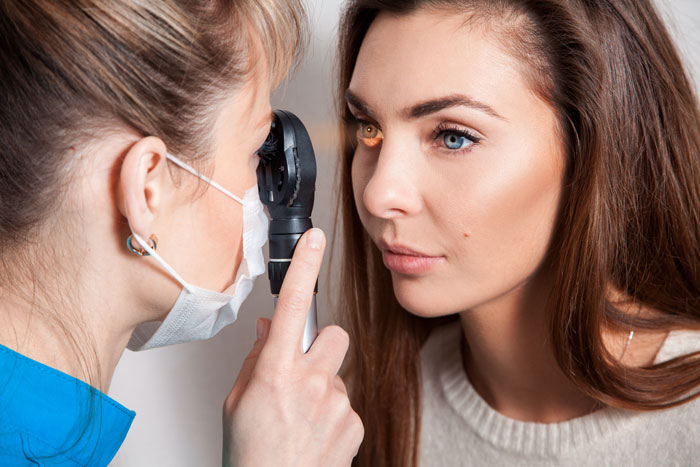
Your eye specialist will be able to diagnose TED by doing a physical eye examination, during which they will check both your eyes and eyelids.

They might also request blood tests to determine whether your thyroid hormone levels and antibodies are too high or too low if they suspect you have TED.

Additional examinations your eye specialist could request include the following:

  • An eye ultrasound
  • Computed tomography (CT)
  • Magnetic resonance imaging

Thyroid eye disease: how is it treated?

If you have thyroid disease, your doctor will start by treating it. Your healthcare provider may suggest one or more of the following treatments because just treating the thyroid issue does not treat thyroid eye disease:

Treat TED with over-the-counter medications:

Generally, non-prescription eye drops are used to treat dryness and irritation. If you have low levels of selenium in your blood, your doctor might also advise taking the supplements.

Treat TED with prescription medications:

Your doctor may prescribe you some anti-inflammatory medications, but you must discuss the side effects of these treatments before starting.

  • Treat TED with lifestyle changes and some home remedies:
  • Quit smoking
  • Wearing sunglasses
  • Using cool compresses
  • Taping your eyelids shut when you sleep
  • Maintain your thyroid hormone level
  • Using a patch on one eye to reduce double vision
  • Keeping your head higher than your body when you lie down
  • Treat TED with surgery
  • Eyelid surgery: This surgery makes it easier to keep your cornea covered.
  • Eye muscle surgery: This surgery can correct your double vision by aligning your eye muscles.
  • Orbital decompression surgery: This surgery enlarges the eye socket or removes extra tissue to relieve strain on the optic nerve hence preventing visual loss.
  • Treat TED with Radiation:

Radiation therapy could be suggested by your healthcare provider to treat the inflammation of TED.

Let’s know about Thyroid Eye Disease?

– Dr Niteen Dedhia, Dr Rushita Kamdar

Thyroid eye disease can occur in patients who already have thyroid disease, or it can be the first problem that brings a person to the doctor’s office.

Thyroid eye disease, also known as TED, is an autoimmune disorder that can last months or years depending on the individual or that happens because your protective immune system attacks your body. Because of the inflammation, your eye muscles, tear glands, and fatty tissues behind the eyes are severely affected in this condition. This causes puffiness and other eye symptoms.

Thyroid eye disease causes

Your immune system is critical in protecting your body from outside germs and infections that can make you sick. When your body misidentifies your own cells and tissues as foreign elements inside and around your eyes, it starts attacking them. This causes your eyes to swell and bulge out. Unfortunately, researchers and experts have yet to determine the cause of this immune response.

The median age for being diagnosed with thyroid eye disease is 43 years old. However, you can be diagnosed much earlier or much later than 43.

You may be more likely to develop thyroid eye disease if you:

  • Have other family members with thyroid eye disease.
  • Have low level of mineral selenium in your blood.

Thyroid eye disease symptoms

The thyroid is a small hormone-secreting gland located in the neck and when this gland malfunctions, it produces either too little or too much thyroid hormone, resulting in a variety of symptoms in the body. Some of these symptoms are minor, while others are severe. Among the symptoms of TED are:

  • Eyelid enlargement
  • Eye discomfort
  • Excessive weeping
  • hazy vision
  • Light sensitivity
  • Double vision
  • Pain behind your eyes and pain with eye movements.

You will frequently experience eye dryness. They may become itchy and cause swelling in the cornea of the eyes. It can impair your vision, and in severe cases, you may lose your sight.

Is it possible to avoid getting thyroid eye disease?

Thyroid eye disease, unfortunately, is not preventable and can strike at any age. If you have any symptoms of thyroid eye disease, you should seek medical attention. Your eye doctor may prescribe steroids and other medications to alleviate your symptoms and reduce eye swelling.

What tests will be done to diagnose thyroid eye disease?

A healthcare provider will be able to diagnose thyroid eye disease by doing a physical eye exam.

If your healthcare provider thinks that you have thyroid eye disease, they will order blood tests to check if your thyroid hormone levels and antibodies are too high or too low.
Other tests your provider may request includes:

  • Ultrasound of the eyes.
  • Computed tomography(CT)
  • MRI

How to relax eye irritation due to thyroid eye disease?

In the case of TED, there are several ways to take care of your eyes. Here are a few quick tips you can use every day:

  • To prevent eye dryness, use lubricating eye drops.
  • After you’ve turned off your laptop, apply a cool compress to your eyes.
  • To avoid light sensitivity, wear sunglasses when going outside in the sun.
  • Stop smoking. It may surprise you to learn that smoking can aggravate thyroid eye disease.

What are the thyroid eye disease precautions?

If you have thyroid disease, you should always be under the care of a specialist. It is necessary to have an annual eye examination. If you have any eye-related problems, do not ignore them. If the symptoms do not go away, you should go to a good eye care hospital right away and get your eyes checked.

Visit us for thyroid eye disease!

Visit Ojas Eye Hospital if you need advanced eye care treatment for thyroid eye disease. We provide the most comprehensive treatment for eye-related issues. Contact us today to learn more about our vision care services.

Ojas Eye Hospital A Center of Excellence for Contoura Vision, Femto Bladefree Lasik in Mumbai, India.