Call us

+91-9240214610 (Bandra)
+91-9240214611 (Kandivali)


  • JAS-ANZ Accredited Certification
  • ICS Certified
  • NABH Certified Eye Hospital in Mumbai
Ojas Eye Hospital in Bandra, Kandivali, Mumbai

Tag: Eye care

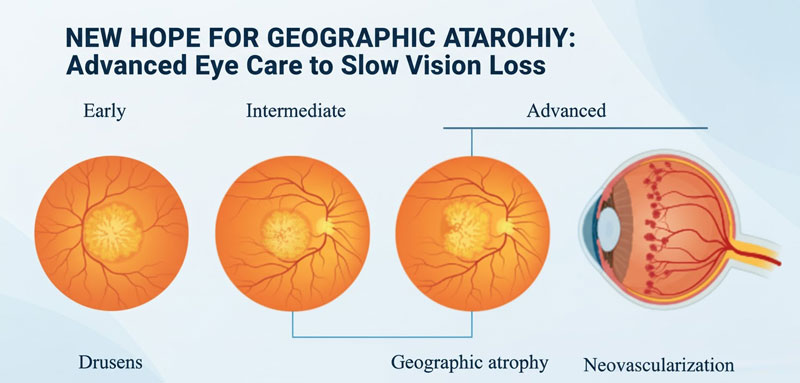
New Hope for Geographic Atrophy: Advanced Eye Care to Slow Vision Loss

Geographic Atrophy (GA) is a serious eye condition that slowly damages central vision. It is an advanced form of age-related macular degeneration (AMD), usually seen in people above 60 years of age. GA affects the macula, the most sensitive part of the retina that helps us see fine details, read, recognize faces and drive. Over time, GA causes patches of retinal cells to die, leading to blurred or missing central vision.

For many years, people living with GA had no effective treatment to slow the disease. Doctors could only monitor the condition and help patients adapt to vision loss. Today, things are changing. New medical advancements have enabled better management of GA and improved the quality of life for patients.

In this article, we will discuss geographic atrophy, its causes and symptoms, the latest treatment options and how advanced eye care can help slow vision loss.

Geographic Atrophy

Geographic Atrophy develops slowly but steadily. The damage usually starts small but grows larger over time. As the affected area increases, daily tasks become more difficult.

Common symptoms include:

  • Difficulty reading or recognizing faces
  • A blurred or dark patch in the center of vision
  • Need for brighter light while reading
  • Reduced contrast sensitivity

GA does not cause pain, but the vision loss can deeply affect independence and confidence.

Most Advanced Treatment for Geographic Atrophy

One of the most important recent developments in GA care is SYFOVRE. This is the first approved treatment designed specifically to slow the progression of Geographic Atrophy.

SYFOVRE works on a part of the body’s immune system called the complement system. In GA, this system becomes overactive and damages healthy retinal cells. The medicine helps control this process, reducing further damage to the retina.

How Does This Treatment Help?

SYFOVRE is given as an injection into the eye at fixed intervals, either monthly or once every two months. While it does not bring back lost vision, it helps protect the remaining vision by slowing down the spread of damaged areas.

Clinical studies have shown that patients receiving this treatment experienced slower growth of GA lesions over time. This means vision is preserved for longer, allowing patients to maintain daily activities and independence.

What to Expect During Treatment?

The procedure is done in a clean, controlled clinical setting by a trained retina specialist in Mumbai. It is quick and usually well tolerated. Patients are monitored closely before and after each injection to ensure safety and comfort.

Possible side effects may include:

  • Mild eye discomfort
  • Redness or floaters
  • Temporary blurred vision
  • Blood spots in the eye

Rare but serious complications like retinal detachment and wet AMD can occur, whichrequire immediate medical attention.

What Is the Importance of Early Diagnosisof Geographic Atrophy?

Early diagnosis of GA plays a major role in treatment success. Regular eye check-ups help detect changes in the retina before vision loss becomes severe. Advanced imaging tests allow doctors to track disease progression and decide the right time to start treatment.

At Ojas Eye Hospital in Mumbai, the latest diagnostic methods and experienced specialists ensure earlydiagnosis and personalized treatment planning.

Looking Ahead: The Future of Geographic Atrophy Care

SYFOVRE is a major step forward, but research continues. Scientists are working on future treatments such as regenerative therapies, retinal cell repair, and advanced implants. These developments offer hope for even better vision care in the coming years.

Until then, timely treatment, regular monitoring, and lifestyle guidance remain the best way to manage GA effectively.

Why Choose Ojas Eye Hospital in Mumbai?

If you or a loved one is experiencing symptoms of macular degeneration or Geographic Atrophy, early care can make a real difference. Booking an appointment at Ojas Eye Hospital means choosing expertise, advanced treatments and care you can trust.

The hospital offers complete services for retinal diseases, macular degeneration, cataracts, glaucoma, LASIK and more – all under one roof. Under expert guidance from the best eye specialist in Mumbai, patients receive treatment based on global standards. Book your appointment today!

Protect your vision today – for every clear moment of life you deserve to live.

Monsoon Eye Care Tips in Mumbai – Protect Your Eyes from Infections & Allergies This Rainy Season

The treatment of the sweltering summer day that Mumbai faces, the monsoons bring relief. The positivity is that the rains bring relief and increase susceptibility to eye infections, allergies, and vision problems. Ojas Eye Hospital realises the importance of keeping your eyes in top condition during the rainy season. This all-inclusive guide will cover everything you have ever wanted to know about eye problems during the monsoons, diagnosis, treatment, and prevention, so you can have your rains without sacrificing your vision.

Why are there more eye issues during monsoons?

Monsoon translates to high humidity, water-logging, and reduced immunity levels, ideal for bacterial, viral, and fungal growth. It predisposes to an increased risk of:-

  • Conjunctivitis (pink eye)
  • Styes
  • Eye allergies
  • Fungal Keratitis
  • Dry eyes (due to indoor air pollution)
  • Contact lens-related infections

The excess moisture in the air also makes eyes prone to airborne allergens such as mould spores and dust mites.

What are the top-most frequent rainy-day eye infections and their symptoms?

The following are the most frequent conditions of the rainy days:-

Conjunctivitis (Pink Eye)

  • Redness
  • Watering
  • Itching or burning
  • Sticky discharge
  • High contagion risk

Stye (Eyelid Boil)

  • Red painful swelling on the eyelid
  • Swollen
  • Pus discharge
  • Light sensitivity

Fungal Eye Infections

  • Blurry vision
  • Eye pain
  • Increased sensitivity
  • White patches on the cornea (visible upon examination)

Allergic Conjunctivitis

  • Severe itching
  • Swollen eyelids
  • Watery discharge
  • Redness in both eyes

How do I prevent such infections in my eyes from the rain during the monsoon?

Experts back the following precautionary steps:-

  • Avoid touching your eyes with dirty hands
  • Avoid sharing towels, handkerchiefs, or eye makeup
  • Keep using UV-protected glasses outside
  • Avoid close contact with people suffering from eye infections
  • Disinfect your contact lenses and avoid using them in the rain
  • Cleanse your eyes with cold, clean water as soon as you return indoors
  • Avoid self-medication, and especially steroid eye drops

What is to be done if I get an eye infection?

See an eye specialist immediately if you notice redness, pain, or discharge. Never apply ‘over-

the-counter’ drops without consulting. We offer at Ojas Eye Hospital:-

  • Comprehensive Eye Examination treatment
  • Slit Lamp Evaluation for thorough anterior segment examination
  • Corneal Staining Tests to examine dry eye or infection
  • Conjunctival Swabs to identify microbial infections
  • Digital Retinal Imaging (if infection reaches the retina)

Early diagnosis results in quicker recovery and prevents complications.

Is it safe to wear contact lenses during the monsoon?

You must take additional precautions:-

  • Use daily disposables if available
  • Never travel in the rain while wearing lenses
  • Always clean and dry your hands before touching lenses
  • Clean the lens case often
  • Stop using and visit us if your eyes look red or feel gritty

Ojas Eye Hospital provides Contact Lens Clinics with professional guidance for lens cleanliness and care.

How are allergies managed or treated?

If you are allergic during monsoons, you may be prescribed:-

  • Anti-allergic eye drops (antihistamines, mast cell stabilisers)
  • Cold compresses
  • Lubricating eye drops
  • Steroid drops (only on medical advice)

If required, we perform a Tear Film Break-Up Time (TFBUT) test and Allergy Panel Screening at Ojas Eye Hospital.

Do monsoon eye infections in children become more serious?

Yes. Children are more prone to it due to:-

  • Frequent rubbing of the eyes
  • Exposure at school/workplace
  • Poorer immunity

Parents must be careful with warning signs and visit pediatric eye specialists at our Child Eye Care Unit.

What state-of-the-art diagnostic and treatment facilities are offered by Ojas Eye Hospital?

At Ojas Eye Hospital, Mumbai, we provide world-class diagnosis and treatment of all seasonal and chronic eye conditions:-

Diagnosis Services:-

  • Digital Eye Scanning
  • Non-Contact Tonometry (IOP)
  • Fundus Fluorescein Angiography
  • Corneal Topography
  • Optical Coherence Tomography (OCT)
  • Visual Field Analysis

Treatment Services:

  • Medical Management of Infections & Allergies
  • Stye Incision & Drainage
  • Corneal Ulcer Management
  • Tear Duct Irrigation
  • LASIK & Refractive Surgeries
  • Cataract Surgeries (Phaco, Femto-LASIK)
  • Corneal Transplants
  • Dry Eye Therapies

What care do I need to take after eye treatment during the monsoon?

Post-treatment care is required:-

  • Adhere to prescribed medication only
  • Avoid rain exposure, swimming, or dusty atmosphere
  • Patients recovering from conjunctivitis or a Stye need to adhere to rigorous hygiene practices
  • Follow-up visits are a must
  • Follow the prescribed use of artificial tears

Our Patient Care Coordinators at Ojas ensure our post-treatment instructions and reminders are communicated clearly.

Why must I choose Ojas Eye Hospital for eye care this monsoon?

Here’s why thousands trust Ojas Eye Hospital:-

  • Experienced Ophthalmologists with more than 30 years of experience
  • Super-specialised Clinics: LASIK, Retina, Cornea, Cataract, Children’s, Glaucoma
  • State-of-the-art Technology: Carl Zeiss, Alcon and Wave Light machines
  • The sterilisation process is very strictly followed, particularly during the monsoon
  • Packages are Affordable: For consultation, procedure, or surgery
  • 24/7 Emergency Eye Services: Prompt response to unexpected infections or trauma
  • Patient-centric Service: Empathetic care with transparency & respect

Conclusion

Don’t let the monsoon spoil your eyesight. With the possibility of infection, being careful, clean, and educated only makes sense. From mild irritation to an outright infection, early detection and professional attention are the solutions to speedy recovery. Annoyed, red, or feeling like something is amiss in your vision—come to Ojas Eye Hospital now. Make your eyes blissful about the rain without any damage, with the finest care in Mumbai.

Contact Lens Usage Guidelines for Long-term Use & Safety Concerns (15–20 years)

Introduction

Contact lenses are now a routine part of vision correction for millions of people worldwide. To correct refractive errors (myopia, hyperopia, astigmatism, or presbyopia) or enhance the cosmetic appearance of the eyes, contact lenses offer comfort, convenience, and unobstructed vision. However, extended contact lens wear (15–20 years or more) is linked with some safety concerns and hazards that must be acknowledged by the users.

While new contact lenses are designed with maximum safety and comfort, incorrect handling, poor personal hygiene, and long-term dependency on lenses may lead to severe eye complications, like corneal infection, dry eye, reduced oxygen level, and even blindness.

Learning About Contact Lenses and Types

Knowing about the different types of contact lenses and how they impact the eyes is essential before we learn the guidelines for extended use.

Soft Contact Lenses

  • Soft, pliable plastic material.
  • Allows transmission of oxygen via the lens to the cornea.
  • Compliant with day and continuous wear.
  • Used most often in conjunction with myopia, hyperopia, astigmatism, and presbyopia.

Rigid Gas Permeable (RGP) Lenses

  • Hard lenses with oxygen-permeability.
  • Provide sharp, clear vision for patients who have astigmatism or an irregular cornea.
  • Greater adaptation time needed but corrects vision in the long term more.

Extended Wear Contact Lenses

  • Constantly worn for nighttime or long hours (30 days).
  • Freely inhaled or drawn through, creating high chances of corneal infection and hypoxia.
  • Applying only with expert supervision.

Cosmetic or Colored Contact Lenses

  • Are used cosmetically to modify the color of the eyes.
  • Sourced either on a prescription basis or as Plano versions.
  • Based on care requirements similar to those for everyday contact lenses.

Why Long-Term Contact Lens Usage Needs Special Care

Usage of contact lenses for over 15–20 years demands excellent eye care and maintenance. The continuous use of lenses for over 15-20 years can cause:-

Corneal Hypoxia (Shortage of Oxygen Supply)

Contact lenses obscure the cornea, denying oxygen supply. Excessive use of lenses for over 15-20 years results in:-

  • Swelling of the cornea (edema).
  • Excessive risk of eye infections.
  • Reduced corneal sensitivity.

Contact Lens-Induced Dry Eye (CLIDE)

Long-term lens wearers develop Chronic Dry Eye Syndrome as a result of:-

  • Reduced tear production.
  • Increased evaporation of tears.
  • Desensitization of the cornea.

Corneal Neovascularization (Invasion of the Cornea by Blood Vessels)

If the cornea is starved of oxygen for a prolonged duration, new vessels may invade the cornea to bring oxygen. This can lead to:-

  • Disturbance in vision.
  • Permanent damage to the cornea.
  • Intolerance to contact lenses.

Increased Risk of Infections

Individuals who wear contact lenses over a long period of time are 4-5 times more likely to get bacterial, viral, or fungal eye infections if they:-

  • Sleep in lenses.
  • Use lenses beyond their expiration date.
  • Fail to observe good hygiene.

Long-Term Contact Lens Use Guidelines (15–20 Years)

For long-term contact lens use that is safe and healthy, follow these professional-approved guidelines:-

Practice Strict Hygiene

Excellent hygiene is the secret to long-term contact lens safety. Always do the following:-

  • Wash hands with soap and water prior to handling your lenses.
  • Always dry your hands with a lint-free towel prior to handling lenses.
  • Use only a recommended multipurpose solution to clean lenses.
  • Never handle lenses with tap water, saliva, or household solutions.

Avoid Sleeping with Contact Lenses On

Extended wear contact lens users should never sleep with contact lenses on except for extended wear as directed. Sleeping with lenses can:-

  • Reduce the oxygen supply to the cornea.
  • Complicate corneal infections 6-8 times.
  • Irritate, redden, and discomfort eyes.

In the event that you sleep in lenses unintentionally, remove them the following morning and get your eye doctor examined if:-

  • Your eyes become sore or red.
  • They acquire blurry vision.
  • Symptoms of watery or light-sensitive eyes.

Replace Lenses According to Prescribed Frequency

There are specific frequency replacement plans provided with contact lenses:-

  • Disposable daily lenses – Dispose after one day’s use.
  • Bi-weekly lenses – Replace after every 2 weeks.
  • Monthly lenses – Replace every 30 days.

Never overextend lens use beyond the specified duration, as this raises the chances of:

  • Lens contamination.
  • Eye infection.
  • Corneal ulcers.

Plan Regular Eye Check-Ups

If you have worn contact lenses for 15-20 years, you need to:-

  • Put in an eye check-up every 6 months.
  • Undergo a corneal health check-up once a year.
  • Check for any early symptoms of lens intolerance.

Regular follow-ups will help to detect early:-

  • Corneal hypoxia.
  • Dry eye caused by lenses.
  • Oxygen starvation damage.

Give Your Eyes a Respite from Lenses

Having your contact lenses on your eyes all the time for 15-20 years can exhaust your eyes.

  • Remove your lenses at least 2 hours prior to bedtime.
  • Relax your eyes once or twice a week using prescription glasses.
  • Steer clear of lens wearing with prolonged computer use to reduce dryness.

Avoid Water Contact with Lenses

Never expose your contact lenses to:-

  • Tap water.
  • Swimming pool water.
  • Shower water.

Water contains destructive microorganisms (Acanthamoeba) that create painful corneal infections, leading to permanent vision loss at times.

Avoid Dry Eyes with Artificial Tears

People wearing contact lenses for extended periods are most likely to develop dry eye syndrome. To maintain your eyes’ moisture:-

  • Preservative-free artificial tears should be applied 2-3 times a day.
  • Frequent blinking during screen work.
  • Drink adequate amounts of water.

Possible 15-20 Year Risks of Contact Lens Usage

Despite proper practices, prolonged usage of contact lenses for 15-20 years may lead to:-

Corneal Scarring or Opacity

Long-term usage of lenses may cause micro-corneal abrasions, which lead to:

  • Permanent corneal scarring.
  • Deterioration in vision.

Reduced Oxygen Flow (Hypoxia)

With 20 years of wearing lenses, oxygen supply to the cornea decreases, which results in:

  • Corneal swelling.
  • Bleeding vision.

Contact Lens Intolerance (CLI)

After 15-20 years, intolerance to lenses is developed by some wearers, which implies:

  • Continuous discomfort with lenses.
  • Pain, dryness, and redness.
  • Frequent infection.

In these cases, laser vision correction (LASIK/SMILE) can be recommended.

Conclusion

15-20 years of contact lens use require maximum precautions and regular monitoring to prevent long-term complications. After following proper hygiene, lens replacement at the right time, and regular eye check-ups, you can have your eye health and clear, comfortable vision for a lifetime.

If you experience any redness, irritation, blurred vision, or infection, consult your eye specialist as soon as possible. Contact lenses can be safely used in the long term but responsibly.

Discovering Natural Remedies for Cataracts and Dry Eyes in Mumbai

Whereas cataract removal surgery remains the most common treatment for cataracts, there is a growing interest in natural methods for cataract and dry eye reversal. Some individuals prefer to avoid eye surgery, either due to personal preference or a desire for a holistic approach to eye care.

In this article, we’ll discuss the effectiveness of natural approaches in relieving cataracts and dry eyes, as well as tips for incorporating holistic practices into your eye health routine.

Natural Remedies for Cataracts

While surgical intervention is often recommended for advanced cataracts, several natural remedies and lifestyle changes may help slow the progression of cataracts and alleviate symptoms. These include:

  • Consuming a diet rich in antioxidants, such as vitamins A, C, and E,.
  • Incorporate foods like leafy greens, colorful fruits and vegetables, and nuts.
  • Incorporating sources of omega-3 fatty acids into your diet.
  • Consume certain herbal supplements, such as ginkgo biloba and green tea extract.
  • Performing eye exercises and relaxation techniques.

Natural Remedies for Dry Eyes Associated with Cataracts

For individuals struggling with dry eyes, natural remedies and lifestyle changes can help relieve discomfort and improve tear production. Some effective natural remedies for dry eyes include the following:

  • Applying a warm compress to the eyes.
  • Staying hydrated
  • Taking omega-3 supplementation.
  • Using a humidifier in your home or office.
  • Taking regular breaks to blink consciously and perform blinking exercises.

Ojas – Eye Hospital in Mumbai: Is Here to Serve Your Eye Care Needs!

While natural remedies can complement traditional treatments for cataracts and dry eyes, it’s essential to consult with an eye specialist before beginning any new treatment regimen. They can provide personalized recommendations based on your individual needs and help monitor your progress over time. By incorporating holistic approaches to eye health, you can support your vision and overall well-being naturally.

Visit Ojas – Eye Hospital in Mumbai for comprehensive eye care services, including diagnosis, treatment, and assistance for individuals with various eye conditions. Book an appointment with us now to discover more about our offerings and how we can help you or your loved ones with cataracts, dry eyes, or any other eye issues in Mumbai.

The Stress And Vision Connection: How Your Mental Health Affects Your Eyes

Did you know that stress doesn’t just affect your mind and body; it can also affect our eyes? Stress is a normal part of life, but when it becomes too much, it can lead to serious health issues, including problems with your eyes.

When we’re really stressed, our bodies produce a lot of adrenaline, which can put pressure on our eyes and make our vision blurry. For people dealing with long-term anxiety, eye strain can become a regular part of their day. Anxiety makes our bodies extra sensitive to even small movements, and this can lead to eye strain and headaches over time. Managing stress is not just good for your mind; it’s also crucial for maintaining good vision. By understanding the link between stress and vision issues, you can take steps to protect your eyes and your overall well-being.

So, it’s important to recognize how stress and vision problems are connected. In this article, we’ll explore how stress impacts your vision and share tips to help you keep your eyes healthy.

The connection between stress and vision loss

  • Impact on blood flow: Chronic stress can lead to increased blood pressure, affecting the delicate blood vessels in the eyes. This compromised blood flow may contribute to conditions like glaucoma and retinal vascular disorders, which can result in vision impairment.
  • Compromised immune function: Stress has been linked to a weakened immune system. The eyes are susceptible to infections and inflammations, and a compromised immune system may increase the risk of eye-related issues, such as conjunctivitis or uveitis.
  • Muscle tension and eye strain: Stress often manifests physically, leading to muscle tension and tightness. This tension can extend to the muscles around the eyes, causing eye strain, discomfort, and even headaches. Prolonged eye strain may contribute to conditions like myopia (nearsightedness) or worsen existing vision problems.
  • Indirect impact on lifestyle choices: High stress levels can influence lifestyle choices, including poor dietary habits and inadequate sleep. These factors, in turn, contribute to conditions like diabetes and hypertension, which are known risk factors for vision loss.

Signs and symptoms of stress-related eye issues

If you’re experiencing stress-related vision issues, watch out for symptoms like:

  • Light sensitivity
  • Blurry vision
  • Eye floaters
  • Eye strain
  • Eye twitching
  • Dry or watery eyes

If these symptoms persist without other medical causes, consult an eye specialist. Early diagnosis by an eye specialist is crucial for correcting any eye concerns stemming from stress.

Tips for stress reduction and healthy vision

Follow these easy tips to manage stress and safeguard your vision:

  • Take regular screen breaks: Give your eyes a break from computer or phone screens to reduce strain and dryness.
  • Practice relaxation methods: Incorporate activities like yoga, meditation, or deep breathing to relax your mind and alleviate stress.
  • Maintain a balanced diet: Include foods rich in vitamins A, C, and E, along with omega-3 fatty acids, for optimal eye health.
  • Use protective eye wear: Shield your eyes from dust, UV rays, and pollution by wearing sunglasses and other protective gear.
  • Prioritize sleep: Ensure an adequate amount of sleep to allow your eyes to rest and recover. Quality sleep is crucial for maintaining optimal eye health.
  • Stay active: Regular exercise can diminish stress levels and enhance blood circulation to your eyes.
  • Schedule regular eye check-ups: Routine eye exams can identify potential issues early on, preventing vision loss.

When to seek help from an eye hospital

If you notice any of the following symptoms, it’s crucial to consult your healthcare provider about stress-related vision issues:

  • Intense eye pain and discomfort
  • Blurred vision
  • Light sensitivity
  • Double vision
  • Persistent dry eyes
  • Redness or swelling in the eye

Ojas – Eye Hospital’s statement

Stress is a part of life, but understanding its impact on our eyes is crucial for maintaining good vision and overall well-being. By adopting stress management techniques and prioritizing eye health, we can lessen the potential risks associated with stress-related vision issues.

In the end, it is time to schedule your checkup at Ojas – Eye Hospital in Mumbai if you notice any visual issues. Our eye specialists can help identify the problem and work with you to develop the most effective treatment plan.

Should I Worry About Having a Chalazion?

Chalazion is a common eye condition that can cause discomfort and can be concerning for many individuals. It is associated with a small, growing inflammatory lump in the tear gland of the eyelid that is often mistaken for a stye.

In this article, we will discuss all about chalazion, including its causes, symptoms, diagnosis, treatment options, and preventive measures.

What is Chalazion?

A chalazion is a painless, slow-growing lump or swelling on the eyelid, but it can cause some discomfort if it grows in size. It can form on either your upper or lower eyelid when one of your oil glands becomes blocked. This blockage leads to the buildup of oils and fluids inside the gland, resulting in the formation of a chalazion.

Is a chalazion the same as a stye?

No, a chalazion is different from a stye. However, a chalazion can happen because of a stye. Styes are infections caused by bacteria that make a gland swell. Styes can be painful, but a chalazion is usually not painful and appears further inside the eyelid.

What are the symptoms of Chalazion?

The common symptoms of chalazion include:

  • Firstly, it appears as a small, red-colored, inflamed area on the eyelid.
  • The affected area may become swollen and sensitive.
  • Gradually it forms a painless lump inside the eyelid.
  • There might be blurry vision, irritation, and watery eyes.
  • It can appear on both the upper and lower eyelids.

If you notice any of these signs, it’s important to contact an eye doctor promptly to receive the best possible eye care as soon as you can.

What causes Chalazion?

Several factors can contribute to the development of a chalazion:

  • If your meibomian glands are not functioning well.
  • If you are having a bacterial infection within the meibomian gland.
  • If you suffer from blepharitis.
  • If you have had a stye or chalazion before.
  • If you have an elevated serum cholesterol level.
  • If you have diabetes or other certain health conditions.
  • If you have a skin condition such as acne rosacea or seborrheic dermatitis.

How is Chalazion diagnosed?

Chalazion is usually diagnosed through:

  • A comprehensive eye examination.
  • The ophthalmologist will assess the size, location, and characteristics of the lump.
  • In some cases, additional tests or imaging may be required to rule out other conditions.

What are the treatment options for Chalazion?

Treatment for chalazion may vary depending on the size and severity of the lump. Common approaches include:

  • Applying warm compresses to the affected eyelid can help soften the oils in the gland and promote drainage.
  • In cases where a bacterial infection is suspected, topical or oral antibiotics may be prescribed.
  • For larger or more persistent chalazion, a corticosteroid injection may be administered to reduce inflammation.
  • In some cases, a minor surgical procedure may be performed to drain the chalazion.

How to prevent Chalazion?

To prevent chalazion, individuals can consider:

  • Maintain proper eyelid hygiene.
  • Remove eye makeup thoroughly
  • Avoid dust and air pollution by putting on glasses.
  •  Replace your contact lenses regularly as per their expiry.
  • Avoid rubbing or frequently touching your eyes.
  • Ensure your hands are clean before touching your eyes.
  • Applying warm compresses to the eyelids.
  • Managing the skin conditions that increase the risk of chalazion.

A Note from Ojas– Eye Hospital

Chalazion is a common eye condition that is usually not painful but can cause discomfort and affect vision if left untreated. Early diagnosis and appropriate treatment are essential for a quick and successful recovery.

If you suspect you have a chalazion, it is advisable to consult with the best eye specialists in Mumbai at Ojas – Eye Hospital for proper evaluation and management.

Does “20/20” vision mean “perfect” vision?

It’s a frequent misunderstanding that having 20/20 vision means having "perfect" vision; rather, it just indicates that you have sharp visual acuity. However, 20/20 vision is not the best you can get. You have 20/15 vision if you can read the letters on the line beneath the 20/20 line without getting closer to the chart. In other words, you can see what an ordinary person can only see from a distance of 15 feet to 20 feet. You could even have 20/10 vision, which would suggest that your vision is twice as clear as someone with 20/20 vision.

Having 20/20 vision merely indicates that you are able to recognize the line of letters on a standard eye chart that a person with standard vision can see from a distance of 20 feet. Without a thorough eye exam, it is unlikely that a wide range of visual problems unrelated to basic refractive defects will be identified and treated.

Undiagnosed Vision Issues’ Symptoms

Some eye problems are easy to notice, like crossed eyes or a lazy eye. But most eye issues are not easy to see, especially in kids, and this makes them feel confused and sad. Grown-ups get frustrated too. Sometimes, these kids are thought to have problems with learning, even if it’s really their eyes that need help.

Watch for the symptoms of eye problems, which include:

  • Getting a lot of headaches
  • Your neck hurts
  • Having trouble while concentrating
  • Not understanding what you read
  • Seeing two things when there’s only one
  • Feeling like things are spinning
  • Not being able to focus on things close up for long
  • Blinking and rubbing your eyes a lot
  • Not being able to tell how far things are

Does the ability to read the 20/20 line allow you to skip regular eye exams?

No, even if you have the ability to read the 20/20 line, that doesn’t mean you should skip regular eye exams. After all, your doctor performs more than just a simple visual acuity test; they assess your overall eye health, search for indicators of changing vision, and identify conditions like glaucoma and cataracts that may not yet be manifesting any symptoms. This is why, depending on your age, health history, and visual requirements, you should see an eye doctor at least once every year or two.

Words from Ojas – Eye Hospital in Mumbai

While 20/20 vision is an important measure of visual acuity, it does not guarantee flawless or "perfect" vision. True visual health encompasses a range of factors, including peripheral vision, color vision, eye coordination, and more. Striving for optimal visual health through regular eye exams, healthy habits, and protective measures is essential for maintaining clear, comfortable, and efficient vision throughout your lifetime.

Ojas – Eye Hospital in Mumbai provides the services you’re looking for with the highest quality eye care available. To learn more, visit us, and our knowledgeable team of eye specialists is always there to support you with the best of their expertise.

Eye Care

A habit of rubbing your eyes frequently

Many people have a habity of rubbing their eyes without knowing the consequences it may have on our eyes.  When you feel tired, itchy, or dryness in your eyes, many people feel rubbing the eyes relieves all these symptoms. BUT THIS IS A MISCONCEPTION.

Is eye rubbing good for eye health? NO. The eye rubbing may temporarily relieve the symptoms, but it causes more harm than benefit to our delicate eyes.

There are invisible germs on your hands, fingernails, and skin constantly

Many microorganisms live on the surface of the skin, including your face and hands. The microorganisms on the skin are referred to as skin flora. It contains thousands of species of bacteria, viruses as well as other germs. Some bacteria, germs, or viruses are beneficial to the skin while others could cause several infections or skin diseases.

With every touch, hands can pick up germs from the any surface that they come in contact with. The germs stay trapped in our fingernails from where they can easily spread to other surfaces, including the eyes. Eyes are vulnerable and have a quick access for germs to enter especially in eye rubbers.

Mechanism of eyes

The eyes though vulnerable to several infections from environmental germs have their defense mechanism to protect them.

  • The external structure of the eyes includes eyelashes. These eyelashes protect the eyes from foreign body from entering the eye by trapping it within the hair.
  • The eyelids perform the simple action of blinking which also protects safety from foreign material at the entry
  •  The eye is also protected and nourished by a three-layered tear film that protects the cornea from debris and germs.

Eye Rubbing can cause injury to the cornea and can also give germs an entry to get into the eyes and may cause infection in vulnerable eyes.

Protecting eyes from germs

Doctors always insist upon patients to strictly avoid rubbing their eyes. People who wear contact lenses are in particular advised not to rub their eyes and maintain good eye hygiene. They have to wash their hands clean every time while inserting and removing the contact lenses. Washing hands thoroughly with soaps before touching eyes is crucial for safety of eyes.

Your fingernails should always be trimmed to prevent the transfer of germs to your eyes. Almost all types of germs and debris are collected in the fingernails. It is impossible to keep not touch the face and eyes. The cleaning of long nails is nearly impossible, so it is advisable to keep the nails trimmed.

Also people who are working in outdoor/ dusty areas can use protective glasses/ sunglasses to keep the eyes sheltered.

Importance Of Taking Care Of Eyes

Introduction

Eye care is an integral part of health care. Eyes are essential to perform our daily tasks. Any impairment in our vision may lead to our dependency on others. It significantly affects ourfamily and community. There is a need to understand the importance of routine eye care and the steps to be followed to maintain healthy eyes.

Why Eye Care Is Important?

Eyes are important sense organs. The problem in the eyes significantly reduces the quality oflife. If the person goes blind due to eye injury or ocular diseases, there would be devastatingrepercussions on the family, community, and country as a whole. The person should haveadequate eye care that helps the eyes to counter some of the common ocular conditions like glaucoma and cataract. Not only eye care improves and maintains our vision, but they alsoindicate certain underlying medical conditions such as hypertension and diabetes.

Eyecare is crucial because of the following reasons:

Reducing the risk of certain diseases: Optimum eye care and routine analysis helps the personto reduce the risk of various diseases. The doctor will perform a comprehensive analysis of theeye and provide treatment based on family history or medical condition. For instance, theocular conditions of the elderly such as Age-related Macular degeneration, and cataracts maybe delayed or prevented by taking antioxidant-rich diets such as omega-3 fatty acids, Lutein andZeaxanthin, Zinc, and Vitamin C and E.

Reduced risk of eye injury: By choosing the correct eyewear, you can avoid almost 90% of theeye injury. Wearing the right glasses or contacts helps you to see clearly and avoid any ocular orother bodily injuries. Children should wear sports goggles while indulging in athletic activities toprotect their eyes from any injury.

Early diagnosis in case of any vision changes: Routine eye care is important for diagnosis andtreatment of any vision changes. Further, vision changes may indicate that the time has cometo either revise the prescription or to change the glasses. Some of the symptoms indicatingglass change are frequent squinting to see clearly, and abnormal vision at varying distances.

Diagnosis of underlying medical condition: Certain underlying medical conditions affects theeyes at the initial stage. These conditions include diabetes and hypertension. Thus, eye carehelps you in early diagnosis of such conditions.

How To Take Good Care Of Your Eyes?

Once you know about the importance of eye care, the next question arises, how to go for theoptimal eye care. There are various ways of taking care of the eyes:

Routine ocular examination: You should schedule at least one comprehensive eye examinationper year to identify any changes in your vision. It will help you to keep your eyes in a healthycondition.

Resting your eyes: Depending upon your level of activity and age, you should provide rest toyour eyes. Do not watch your mobile in dim light or no light. In addition to adequate rest, youshould also take regular breaks from the screen.

Taking care of contact lenses: Contact lenses are one of the primary sources of ocular infectionand inflammation. Take good care of your contact lenses.  Use a superior quality contact lens solutionand wash the lenses daily. If you are unable to maintain proper hygiene, use the lenses that arefor daily wear.

Correct eyewear according to the condition: Eye functions according to the environmentalconditions, and so should be your eye wears. When you are on the computer or mobile, do notforget to use the blue-light glasses, while UV protective eyewear should be used when goingoutside.

Some Facts About Eye Care

Some of the important facts about eye care are:

  • Smoking increases the risk of cataract and age-related macular degeneration.
  • Most ocular diseases are treatable but complications occur due to ignorance.
  • UV-radiations cause eye damage and may lead to various ocular disorders.
  • Reduced and uncorrected vision may lead to accidents, falls, and subsequent injuries.

Conclusion

There are various advantages of eye care. These include diagnosis of underlying conditions,reduced risk of injuries, reduced ocular complications, and early diagnosis of the disease. Theways of taking good care of eyes are routine eye examination, wearing correct eyewear, andtaking hygienic steps for storing and wearing contact lenses.

Ojas Eye Hospital A Center of Excellence for Contoura Vision, Femto Bladefree Lasik in Mumbai, India.