

+91-9240214610 (Bandra)
+91-9240214611 (Kandivali)


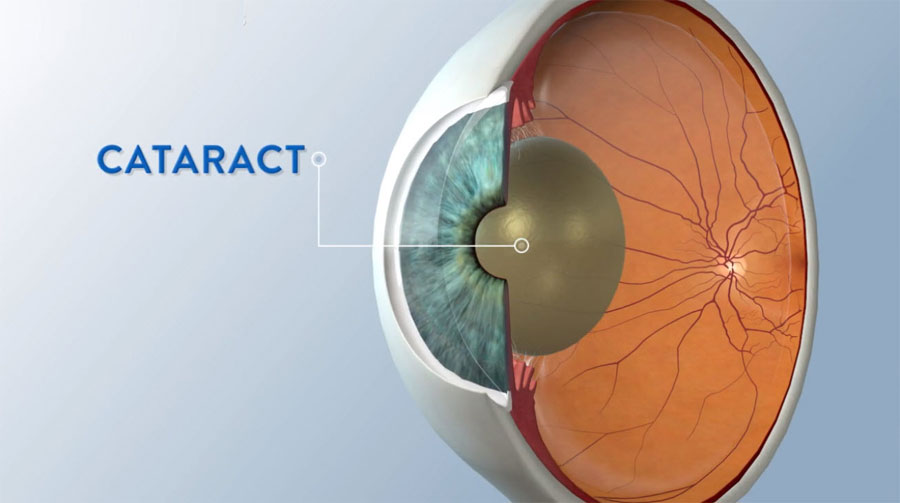
Cataracts are one of the most common eye problems, especially as we grow older. It happens when the natural clear lens inside the eye becomes cloudy, making vision look blurred, dullor yellowish. Simple daily tasks like reading, driving, watching television or recognizing faces can slowly become difficult. The good news is that cataracts can be treated safely and effectively with surgery and one of the most advanced options today is Micro-Incision Cataract Surgery (MICS).
Read More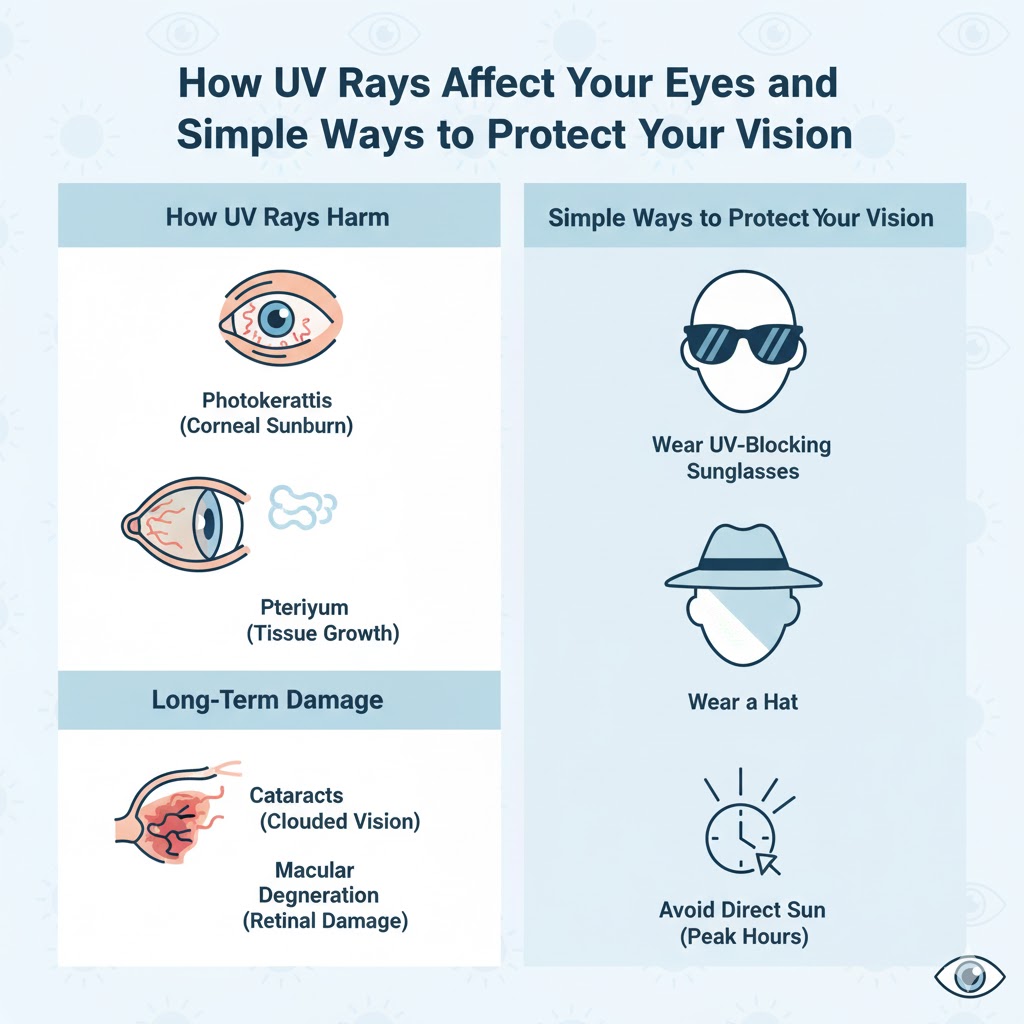
Sunlight is a natural part of life. It helps our body make vitamin D, keeps our sleep cycle healthy, and lifts our mood. But too much sunlight, especially ultraviolet (UV) rays, can quietly harm our eyes over time. Many people protect their skin from the sun but forget that their eyes also need care. Understanding how UV rays affect your eyes and how to prevent your eye damage can help you maintain clear vision for years to come.
Read More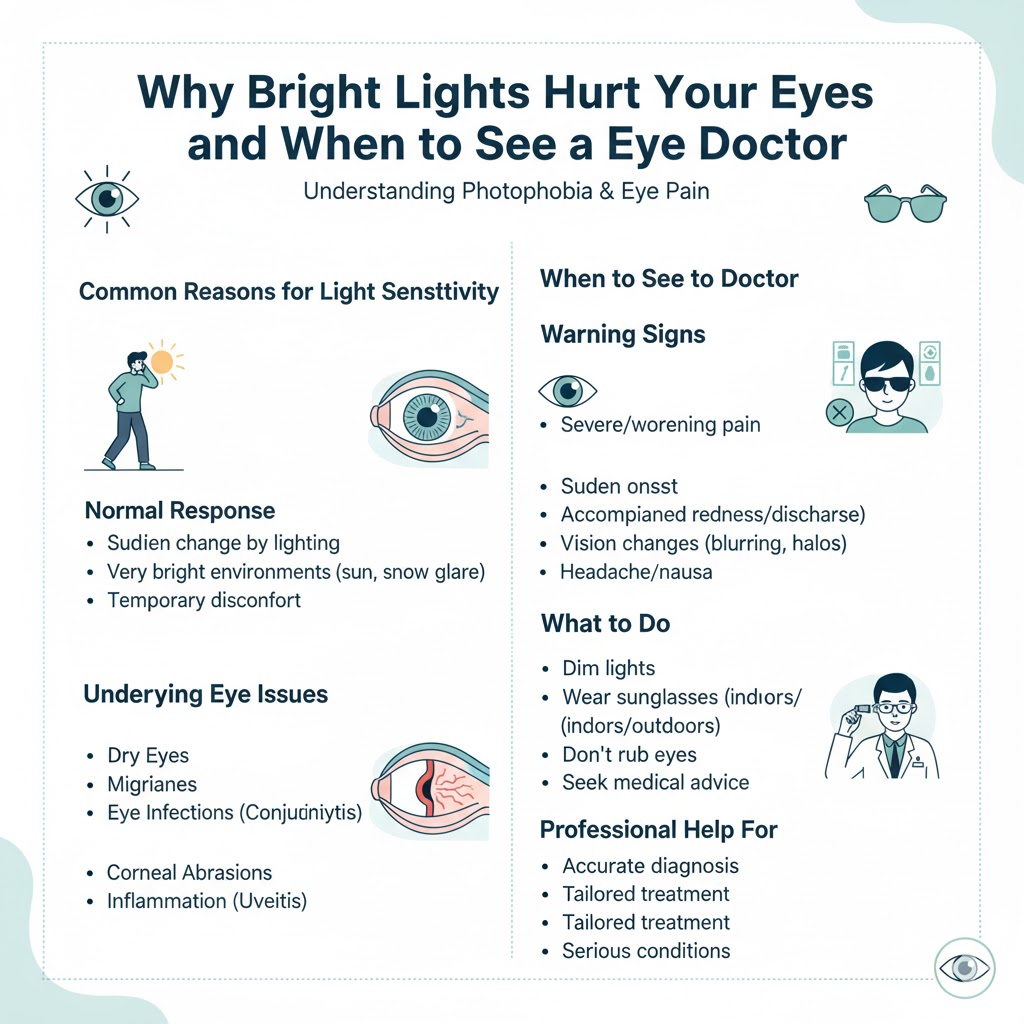
Do bright lights suddenly feel uncomfortable? Do festive lights, car headlights or even phone screens make you squint or close your eyes? If yes, you are not alone. Sensitivity to light, also known as photophobia, is a common eye complaint. While it is sometimes temporary, ongoing discomfort with bright light may point to an eye condition that needs medical attention.
Read More
Winter brings cold winds, dry air and shorter days. While we protect our skin and body during this season, eye care is often ignored. Many people experience dry eyes, irritation, rednessor eye strain in winter. But a few simple lifestyle habits and the right food choices can help keep your eyes healthy and comfortable even in colder months.
Read More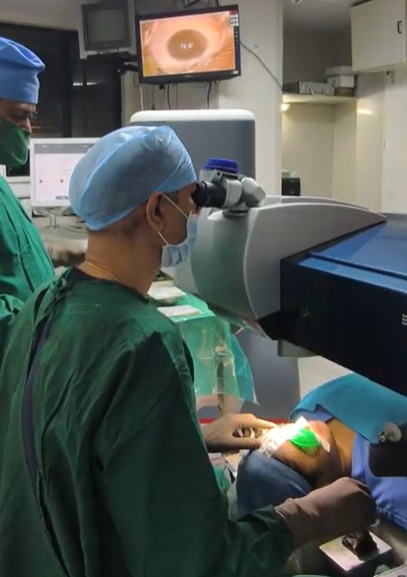
Laser eye surgery has helped millions of people see clearly without glasses or contact lenses. Many people think about getting the procedure for years but pause at one common question: “How long do the results of laser eye surgery actually last?”
Read More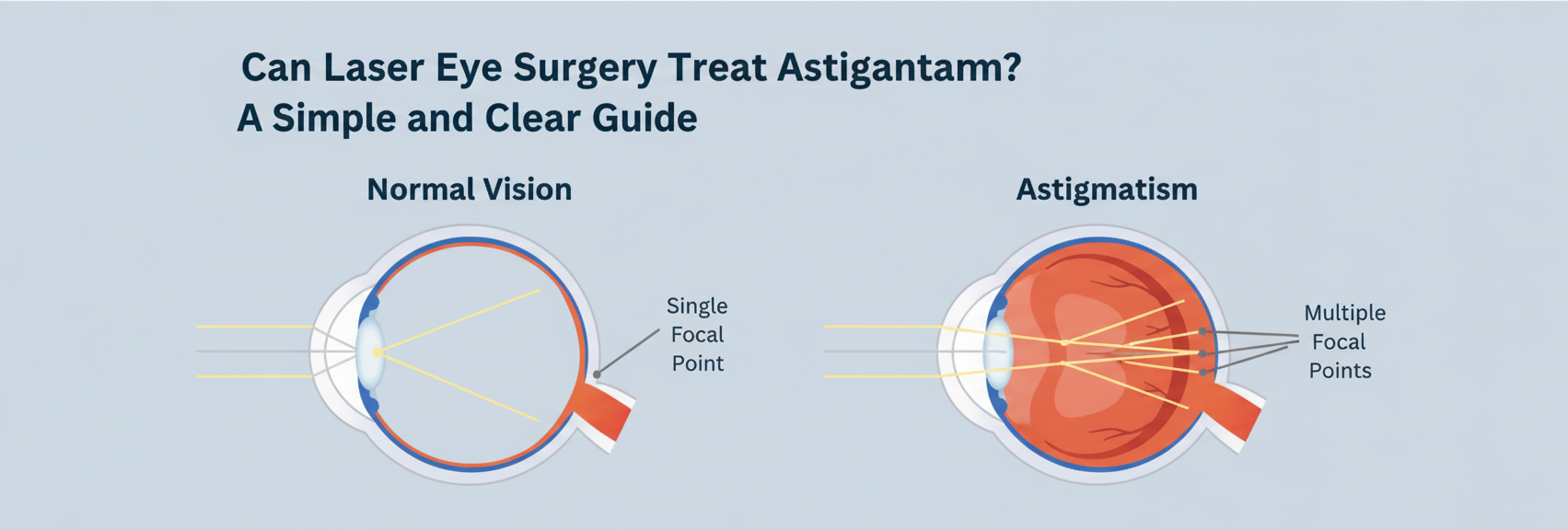
Living with astigmatism can be frustrating. No matter how strong your glasses are or how carefully you use contact lenses, vision may still feel unclear or strained. Many people feel tired of depending on eyewear every day and start looking for a long-term solution. This is where laser eye surgery often comes into the picture.
Read More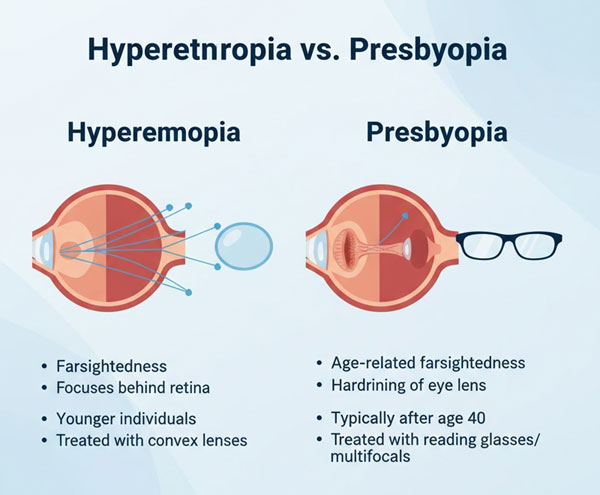
Clear vision plays an essential role in our daily lives. From reading messages and working on screens to driving and recognizing faces, healthy eyesight supports almost everything we do. As we grow older or due to natural eye structure, many people notice changes in their vision. Two very common yet often confused eye conditions are hypermetropia and presbyopia.
Read More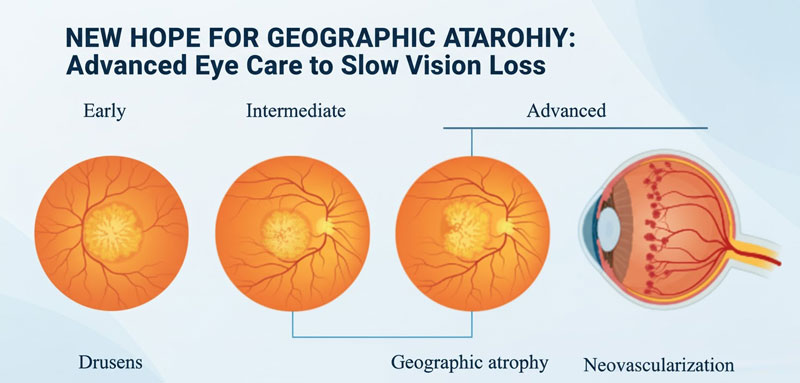
Geographic Atrophy (GA) is a serious eye condition that slowly damages central vision. It is an advanced form of age-related macular degeneration (AMD), usually seen in people above 60 years of age. GA affects the macula, the most sensitive part of the retina that helps us see fine details, read, recognize faces and drive. Over time, GA causes patches of retinal cells to die, leading to blurred or missing central vision.
Read More
If you are searching for clear vision without glasses or contact lenses, LASIK is one of the safest and most effective solutions available today. However, certain criteria must be met before undergoing LASIK, and corneal thickness is one of the most important. The cornea must have enough tissue to safely create a flap.
Read More
Cataracts occur when the eye’s natural lens turns cloudy, leading to blurred or impaired vision, especially in older individuals. Although cataract surgery has been a reliable treatment for decades, modern innovations have greatly refined the procedure.
Read More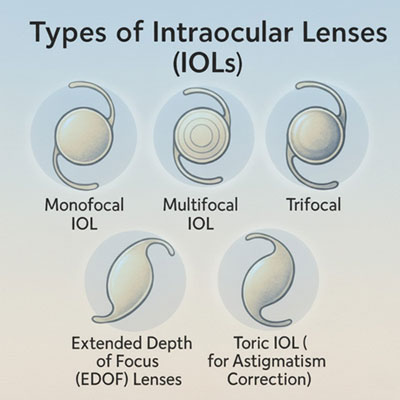
If you or someone you know is preparing for cataract surgery in Mumbai, choosing the right lens can be very confusing. With many advanced IOL options available today, it’s not always easy to decide and the most common question people ask is: “Should I choose a Monofocal IOL or a Trifocal IOL?”.
Read More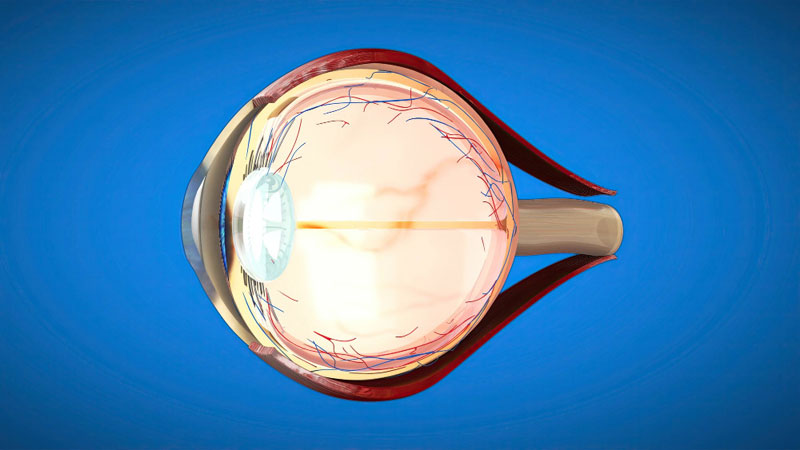
Keratoconus is a progressive eye condition in which the normally round cornea becomes thin and gradually bulges into a cone-like shape. This irregular shape affects how light enters the eye, leading to blurry vision, increased light sensitivity and in severe cases, significant visual impairment. With the advancement of modern ophthalmic care, treatments such as C3R procedure in Mumbai.
Read More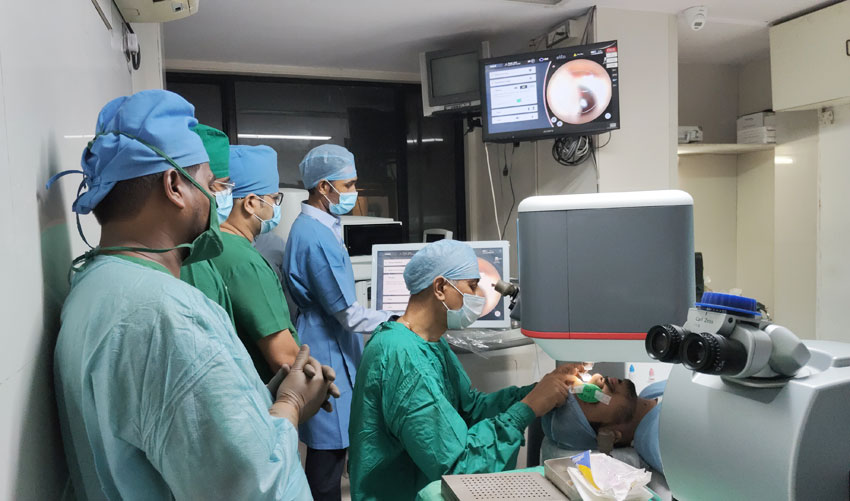
With the advancement in ophthalmology, people now have many options to fix their eyesight. Two of the most advanced procedures, Contoura Vision and SILK laser, are becoming very popular in achieving clear, spectacle-free vision. Both procedures deliver precision, comfort and long-term clarity, but choosing the right one depends on your eyes, lifestyle and visual needs.
Read More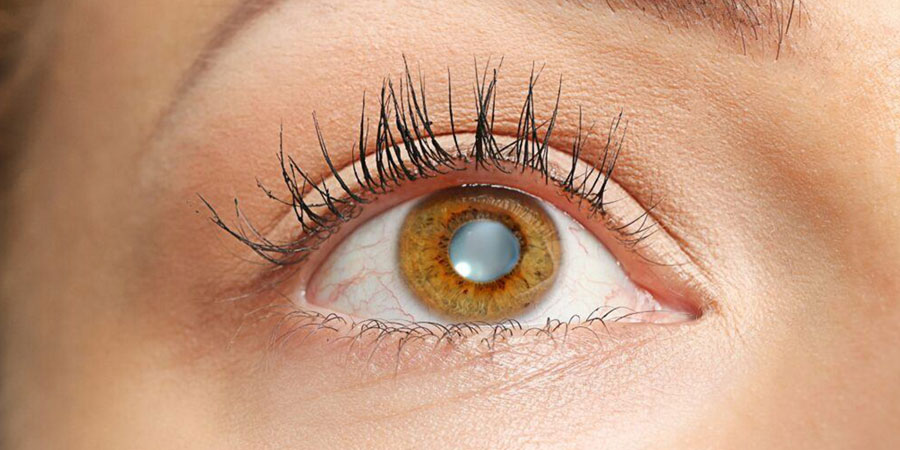
Cataracts grow slowly, and the early changes in your eyesight are easy to overlook in the early stages. Most people notice symptoms only when daily tasks, like reading, night driving, or recognizing faces, start becoming difficult. Recognizing the early cataract symptoms helps you protect your vision and seek timely care before the condition worsens. Cataracts are common among adults over 40, but they can occur earlier due to lifestyle, health issues or long-term UV exposure.
Read More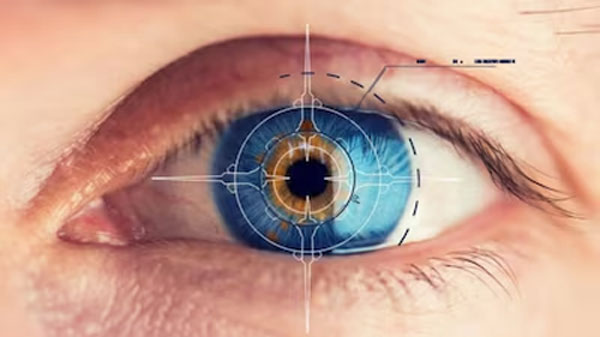
As diabetes rises among young Indians, experts urge early eye check-ups, good sugar control, and antioxidant-rich diets to prevent diabetic retinopathy and protect long-term vision. Diabetes is becoming a major health issue in India, and it is increasingly affecting the younger population. According to the ICMR–India Diabetes 2024 study, every sixth diabetic adult in India is under the age of 40.
Read More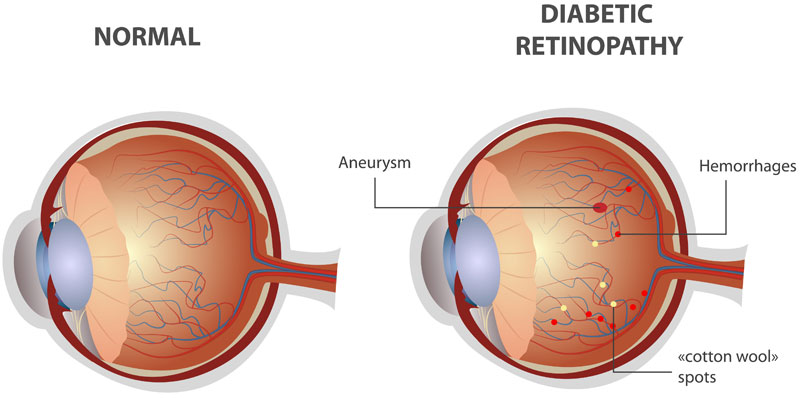
Diabetes, one of the most challenging health conditions that continue to be a major concern, doesn’t just affect our overall health but has a serious impact on our eyes as well. With significant risk of triggering diabetic eye disorders, diabetes, if not managed properly, can lead to significant vision loss or absolute blindness.
Read More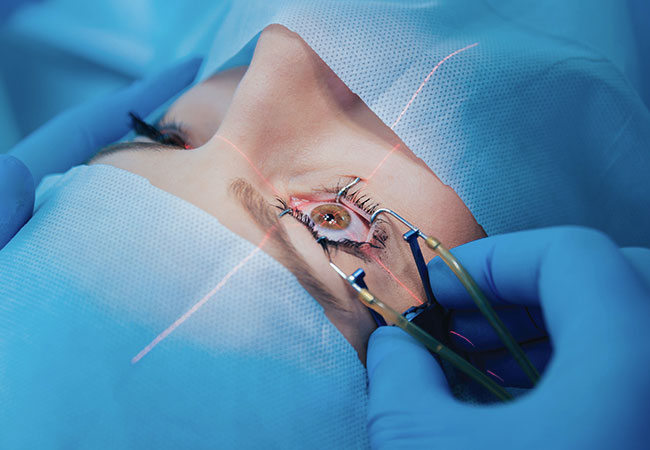
Millions of people go through the well-trodden step of cataract surgery to regain vision clarity. Naturally enough, hundreds of questions loom around the heads of many patients: “Will it hurt?” Here is just that kind of article-how the procedure actually works, what discomfort may or may not accompany the action, and the overall recovery journey.
Read More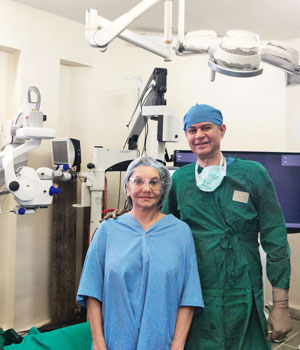
Cataract, indeed, is one of the safest and most effective surgeries in ophthalmology. Patients have an instant improvement in their vision, and they return to a normal routine. Careful consideration of postoperative care has assured the best outcome. Below is a very comprehensive list of what to do or not do after the cataract surgery.
Read More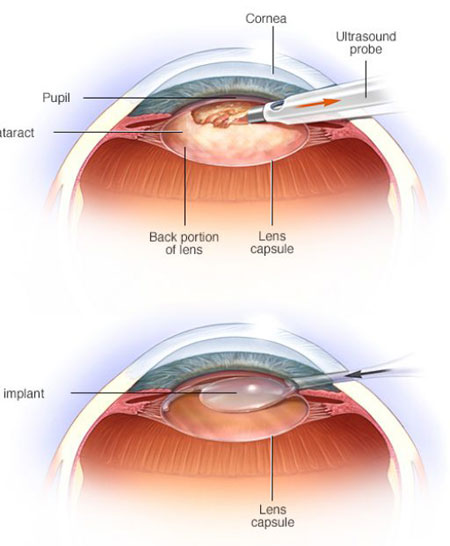
Cataract (मोतियाबिंद) is one of the very common ocular abnormalities, where the natural lens of the eye becomes cloudy and causes blurring/dimming of vision. SICS (Small Incision Cataract Surgery) or ‘छोटे चीरे से मोतियाबिंद ऑपरेशन’ is one of the surgical techniques for cataract extraction. This method has many advantages, especially in resource-limited settings or where advanced Phacoemulsification may not be necessarily ideal.
Read More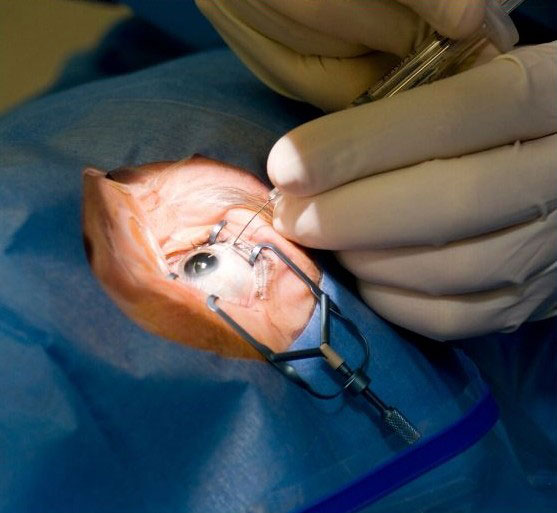
During a period when cataract surgery becomes perhaps the happiest operation in existence, the freedom of millions of patients who get it every year after years of clear vision is when one finds that the ophthalmologist is extremely versed in cataract surgery. However, in a few cases, some patients come back several months or years later, asking, “Will the cataract surgery be repeated?”
Read More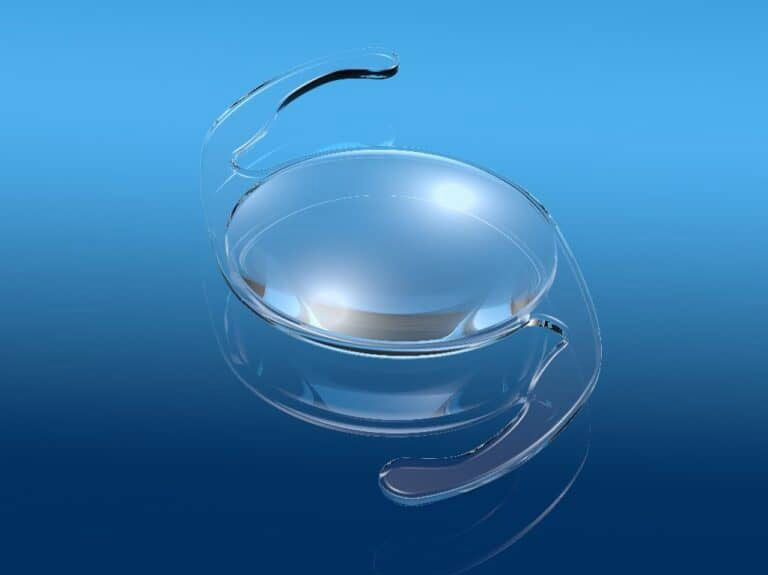
Wearing spectacles has become an everyday activity for those above 40 years or 50 years, be it for reading, for driving, or both. Those people keep debating whether laser surgeries like LASIK might solve the problem, but in that case, many have strong refractive errors or age-related problems in focusing, and can’t fully benefit from it. Enter Clear Lens Extraction (CLE), with a few people calling it Refractive Lens Exchange (RLE).
Read More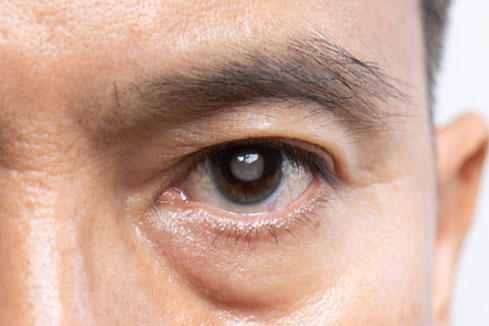
मोतियाबिंद एक नेत्र संबंधी समस्या है जिसमें नेत्र (आँख) की लेंस (crystalline lens) की पारदर्शिता धीरे-धीरे कम
हो जाती है, और व्यक्ति की दृष्टि धुंधली होने लगती है । यह प्रक्रिया आमतौर पर समय के साथ होती है और एक या
दोनों आँखों को प्रभावित कर सकती है। शुरुआत में व्यक्ति शायद फर्क महसूस न करे, लेकिन जैसे-जैसे रोग बढ़ता है,
दृष्टि प्रभावित होती है और उसकी दैनिक गतिविधियों में बाधा आने लगती है।
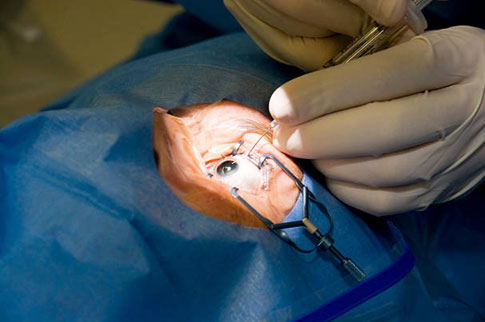
आँखें हमारी जीवन की अमूल्य अमानत/धरोहर हैं जो हमें अच्छी दृष्टि दे कर हमारे तमाम रोजमर्रा के कामों, जैसे कि पढ़ने-
पढ़ाने, ऑफिस के कार्य, एवम अन्य गतिविधियों को पूरा करने में अपररिहर्य योगदान करती हैं । लेकिन बढ़ती उम्र और
आधुनिक जीवनशैली की चुनौतियाँ (जैसे स्क्रीन समय बढ़ जाना, प्रदूषण, अस्वस्थ भोजन आदि) के चलते हमें अनेक
विकृतियों का सामना करना पड़ता है । इनमें से एक सबसे सामान्य लेकिन गंभीर समस्या है मोतियाबिंद (Cataract),
जिसको एक समय के भीतर उचित कदम उठाते हुए रोका जा सकता है ।
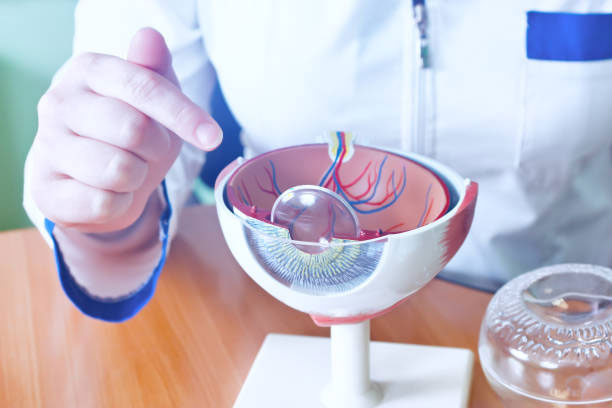
मोतियाबिंद यानी Cataract सर्जरी आज के युग की एक आम और सुरक्षित नेत्र-चिकित्सा की विशेष प्रक्रिया मानी जाती
है। जिसके अंतर्गत धुंधला लेंस हटाकर उसमें स्पष्ट इन्ट्राओक्यूलर लेंस (IOL) लगा दिया जाता है जिसके बाद ज्यादातर
लोगों की दृष्टि कुछ ही समय के भीतर बेहतर हो जाती है। लेकिन सफल सर्जरी के बाद भी रिकवरी का समय बेहद
संवेदनशील होता है जिस दौरान अगर आवश्यक सावधानियों का निर्वहन नहीं किया गया, तो आपको कुछ जटिल
समस्याओं का सामना भी कर पड़ सकता है ।
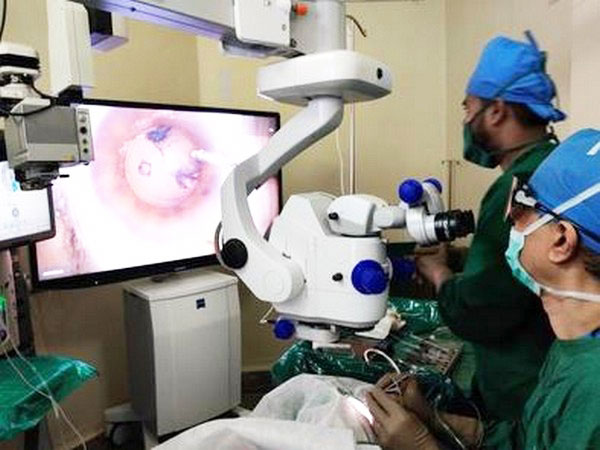
Your ability to see clearly is the result of a beautifully coordinated process involving your eyes, nerves, and brain. This delicate system transforms light into images in real time. But when any part of this system is impaired, vision problems,especially refractive errors,can occur.
Read More
