Call us

+91-9240214610 (Bandra)
+91-9240214611 (Kandivali)
  • JAS-ANZ Accredited Certification
  • ICS Certified
  • NABH Certified Eye Hospital in Mumbai
Ojas Eye Hospital in Bandra, Kandivali, Mumbai

Month: March 2026

What Is TECNIS Odyssey™ Lens? A Complete Guide for Cataract Patients

Good vision is an important part of a healthy and comfortable life. But as we grow older, many people start facing problems like blurred vision, difficulty reading or trouble seeing clearly at night. Two common reasons for this are cataract and presbyopia.

The good news is that modern eye care has improved a lot. Today, advanced treatments and lens technologies are helping patients regain clear vision and reduce their need for glasses. If you are looking for the best eye hospital in Mumbai or the best eye specialist in Mumbai, understanding these new options can help you make the right decision.

Understanding Cataracts and Presbyopia

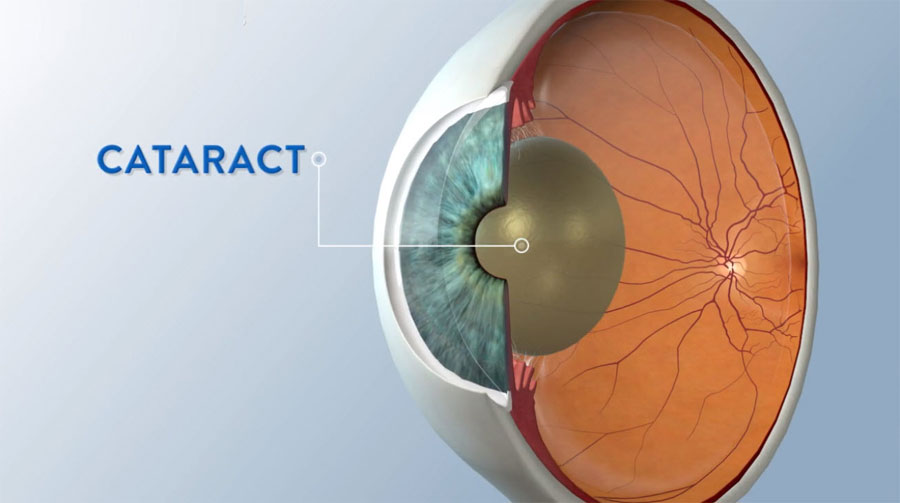
Cataracts are highlighted as one of the leading causes of vision impairment worldwide. It occurs when the natural lens of the eye becomes cloudy. This leads to:

  • Blurry or dim vision
  • Difficulty seeing at night
  • Sensitivity to light
  • Faded or yellowish colors

Presbyopia is an age-related condition that usually starts after the age of 40. It affects your ability to see nearby objects clearly, such as when reading a book or using a phone. Presbyopia is a natural part of ageing and affects almost everyone over time.

How Cataract Surgery Has Improved with Time?

Earlier, cataract surgery was mainly focused on removing the cloudy lens and replacing it with a basic artificial lens. While this restored vision, patients often still needed glasses for reading or distance. But today, things are very different. Modern cataract surgery uses advanced intraocular lenses (IOLs) that can improve vision at multiple distances. These lenses not only restore sight but also improve overall quality of life.

If you are searching for the best cataract surgery in Mumbai, it is important to choose a center that offers the latest technology and experienced surgeons.

Latest Innovation: TECNIS Odyssey™ Intraocular Lens

A major advancement in eye care is the launch of the TECNIS Odyssey™ intraocular lens in India by Johnson & Johnson.

This new lens is designed to provide a full range of vision, helping patients see clearly at:

  • Near distance (reading, mobile use)
  • Intermediate distance (computer work)
  • Far distance (driving, watching TV)

TECNIS Odyssey™ Intraocular Lens

TECNIS Odyssey™ Lens

The Main Benefits of TECNIS Odyssey™ Lens

  • Clear and continuous vision across all distances
  • Reduced need for glasses after surgery
  • High-quality vision even in low-light conditions
  • Better contrast and sharpness
  • Minimal issues like glare or halos

Patient Satisfaction with TECNIS Odyssey™ Lens

Clinical results have shown very positive results:

  • Most patients were happy with their vision without glasses
  • Many reported very little or no visual disturbances
  • Strong satisfaction with night vision

This means patients can enjoy a more independent and comfortable lifestyle after surgery.

Why Choosing the Right Eye Surgeon Matters?

Even with the best technology, the results of eye surgery depend greatly on the surgeon’s expertise. Choosing the best eye surgeon in Mumbai ensures:

  • Accurate diagnosis
  • Proper selection of lens
  • Safe and precise surgery
  • Better visual outcomes

An experienced doctor will guide you on whether advanced lenses like TECNIS Odyssey™ are suitable for your eyes.

Signs You Should Consider Cataract Surgery

You should consult an eye specialist if you notice:

  • Blurred or cloudy vision
  • Difficulty reading or driving
  • Frequent change in glasses
  • Glare or halos around lights
  • Poor night vision

Early consultation with the best eye specialist in Mumbai can help you plan timely treatment and avoid complications.

What to Expect After Surgery?

Modern cataract surgery is:

  • Quick and painless
  • Usually completed within a short time
  • Performed as a day-care procedure

After surgery, most patients experience:

  • Clearer vision within a few days
  • Reduced dependency on glasses
  • Improved daily comfort

With advanced lenses, many patients can return to normal activities faster and enjoy better visual quality.

Why Choose Ojas Eye Hospital in Mumbai?

Clear vision can change the way you live your daily life. With modern cataract surgery and advanced lenses like TECNIS Odyssey™ IOL, you no longer have to depend heavily on glasses or struggle with poor eyesight.

If you are looking for the best eye hospital in Mumbai, Ojas Eye Hospital stands out for its advanced care and patient-focused approach. Book your appointment now.

Choosing the right doctor and the right hospital matters a lot for your clearer vision.

Are UV Rays Damaging Your Eyes Without You Knowing?

Sunlight is a natural part of life. It helps our body make vitamin D, keeps our sleep cycle healthy, and lifts our mood. But too much sunlight, especially ultraviolet (UV) rays, can quietly harm our eyes over time. Many people protect their skin from the sun but forget that their eyes also need care. Understanding how UV rays affect your eyes and how to prevent your eye damage can help you maintain clear vision for years to come.

What Are UV Rays and Why Are They Harmful?

UV rays are invisible rays that come from the sun. They reach the earth even on cloudy, foggy, or rainy days. These rays can pass through clouds and reflect off surfaces like water, sand, roads and snow, this means your eyes are exposed more often.

Long-term exposure to UV rays can slowly damage different parts of the eye. This damage builds up over time and may lead to serious eye problems later in life.

How UV Rays Damage the Eyes

UV rays can affect almost every part of the eye, from the outer surface to the inner structures. Some of the most common problems caused by UV exposure include:

Cataracts

Cataracts develop when the natural lens of the eye becomes cloudy. This leads to blurred vision, glare and difficulty in seeing clearly. UV rays speed up this process by damaging the proteins inside the lens. Since this damage happens slowly, regular protection from a young age is important.

Macular Degeneration

The macula is the central part of the retina that helps us see fine details, read, and recognize faces. Continuous UV exposure can damage this area, leading to age-related macular degeneration. This condition affects central vision and can interfere with daily activities.

Pterygium (Surfer’s Eye)

Pterygium is a fleshy growth on the white part of the eye that can spread over the cornea. It is more common in people who spend a lot of time outdoors, such as farmers or those working near water. If it grows large, it can distort vision and may require surgery.

Photokeratitis

This is like a sunburn of the eye. It can happen after short but intense exposure to UV rays, such as sunlight reflected from water or snow. Symptoms include pain, redness, tearing and sensitivity to light.

Eye and Eyelid Cancers

UV rays also increase the risk of cancer on the eyelids, the surface of the eye and surrounding skin. In severe cases, these cancers can affect vision and may require extensive treatment.

Signs That Your Eyes May Be Affected by UV Radiation

Some early signs of UV-related eye damage include:

  • Frequent eye irritation or redness
  • Blurred or cloudy vision
  • Increased sensitivity to light
  • Growths on the surface of the eye

Regular eye check-ups can help detect these issues early and the treatments are more effective then.

Simple Ways to Protect Your Eyes from UV Damage

Protecting your eyes from UV rays does not require complicated steps. Small daily habits can make a big difference.

Below are some easy and effective tips:

  • Wear sunglasses with 100% UV protection whenever you are outdoors, even on cloudy days.
  • Choose wraparound sunglasses to block rays from the sides.
  • Use a wide-brimmed hat along with sunglasses for extra protection.
  • Limit direct sun exposure between 10 am and 4 pm, when UV rays are strongest.
  • Be extra careful near reflective surfaces like water, sand and roads.
  • Never look directly at the sun, even during an eclipse.

Remember, dark lenses alone do not mean better protection. Always check for proper UV protection labels.

Why Are Regular Eye Check-Ups Important?

UV damage often happens slowly and without pain in the early stages. A routine eye examination can detect early signs of cataracts, macular degeneration or surface growths. Early diagnosis allows timely treatment and helps preserve vision.

Why Book an Appointment at Ojas Eye Hospital in Mumbai?

Ojas Eye Hospital is known for its patient-friendly approach, modern procedures and complete eye care services. From detailed eye check-ups to advanced treatments for cataracts, retinal disorders, corneal problems and refractive errors, the hospital offers complete solutions under one roof.

Patients trust the hospital for its experienced team, expert guidance and focus on long-term eye health. If you are looking for eye treatment at the best eye hospital in Mumbai, Ojas Eye Hospital stands as the trusted choice for safe and effective eye care.

Book your eye check-up today and give your vision the care it truly deserves.

Do Bright Lights Make Your Eyes Hurt? Find Out Why

Do bright lights suddenly feel uncomfortable?

Do festive lights, car headlights or even phone screens make you squint or close your eyes?

If yes, you are not alone.

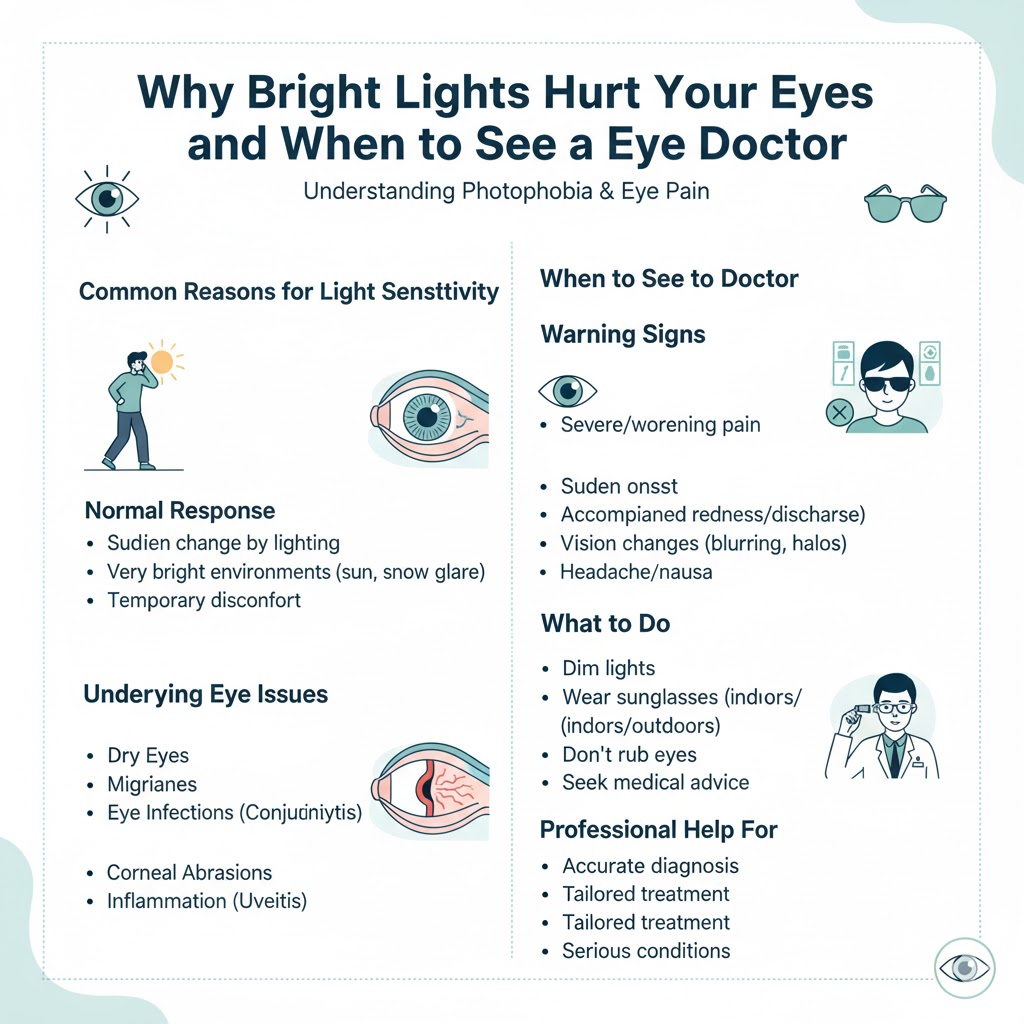
Sensitivity to light, also known as photophobia, is a common eye complaint. While it is sometimes temporary, ongoing discomfort with bright light may point to an eye condition that needs medical attention.

At Ojas Eye Hospital in Mumbai, many patients visit us with concerns like glare, haloes around lights or irritation when exposed to bright light. Let’s understand why this happens, what it may indicate, and when you should see an eye doctor.

Why Are My Eyes Sensitive to Bright Lights?

Our eyes are designed to handle light, but when something disrupts the way light enters or is processed, sensitivity can increase. This may involve the cornea, lens, retina or even the optic nerve.

Some common reasons include:

  • Dry eyes: When your eyes do not produce enough tears, the surface becomes dry and exposed, making light feel harsh and uncomfortable.
  • Migraines: Bright light is a well-known trigger for migraines and can worsen headache symptoms.
  • Eye strain: Long hours on screens, poor lighting or lack of breaks can tire your eyes and increase light sensitivity.
  • Eye conditions: Problems like cataracts, glaucoma or retinal issues can cause glare, haloes and discomfort around lights.
  • Corneal irritation or infection: Any irritation, injury or infection of the cornea can make the eyes react strongly to light.

Is Light Sensitivity Always Serious?

Not always. Mild sensitivity after being outdoors in strong sunlight or staring at a screen for too long is quite normal.

However, you should be careful if light sensitivity is:

  • Frequent or worsening
  • Associated with pain or redness
  • Accompanied by blurred vision
  • Linked with haloes or glare, especially at night

These signs may indicate an underlying eye condition that needs expert care. If ignored, some eye problems can progress silently and affect vision over time.

What Are Haloes and Glare Around Lights?

Haloes appear as glowing rings around lights, while glare looks like scattered or blurred light. These are especially noticeable while driving at night.

Common causes include:

  • Dry eye syndrome, which disturbs the tear film
  • Refractive errors, even small uncorrected vision issues
  • Cataracts, where the eye’s natural lens becomes cloudy
  • Post-surgical healing, after procedures like LASIK or cataract surgery

At Ojas Eye Hospital, advanced eye tests help identify the exact cause and guide the right treatment.

Simple Ways to Reduce Light Discomfort

If your symptoms are mild, these steps may help reduce daily discomfort:

  • Use anti-glare or anti-reflective glasses if prescribed
  • Wear good-quality sunglasses outdoors
  • Keep indoor lighting soft and evenly spread
  • Use lubricating eye drops if dryness is present
  • Follow the 20-20-20 rule for screen use

If these steps do not help, it is important to get your eyes checked.

When Should You See an Eye Doctor?

You should book an eye consultation if:

  • Bright lights consistently cause pain or discomfort
  • You notice sudden vision changes
  • Your eyes remain red or irritated
  • Haloes or glare interfere with daily activities

Early diagnosis allows timely treatment and helps protect long-term vision.

Why Book an Appointment at Ojas Eye Hospital in Mumbai?

Ojas Eye Hospital offers complete eye care services under one roof. Our experienced team handles a wide range of eye concerns, from routine eye check-ups to advanced treatments. We believe that eye comfort and clear vision should never be ignored or delayed.

If bright lights are hurting your eyes or you have any other eye concerns, book your eye consultation at Ojas Eye Hospital today.

MICS Cataract Surgery: A Modern, Gentle Way to Restore Clear Vision

Cataracts are one of the most common eye problems, especially as we grow older. It happens when the natural clear lens inside the eye becomes cloudy, making vision look blurred, dullor yellowish. Simple daily tasks like reading, driving, watching television or recognizing faces can slowly become difficult. The good news is that cataracts can be treated safely and effectively with surgery and one of the most advanced options today is Micro-Incision Cataract Surgery (MICS).

Over the years, cataract surgery has improved a lot. Earlier methods needed larger cuts and longer healing time. MICS uses very small incisions and advanced technique, allowing faster recovery, more comfort and a quicker return to normal life.

In this article, we will discuss all about MICS cataract surgery, including how it works, its benefits, recovery process and why it is a preferred choice for cataract treatment.

What Is MICS Cataract Surgery?

MICS stands for Micro-Incision Cataract Surgery. As the name suggests, the surgery is done through a very tiny cut, usually less than 2 mm. Through this small opening, the cloudy lens is broken into tiny pieces, removed and replaced with a soft, foldable artificial lens called an intra-ocular lens (IOL).

Because the cut is so small:

  • The eye’s natural shape is preserved
  • Healing is faster
  • There is less irritation and swelling
  • Stitches are usually not needed

This makes MICS a very comfortable and patient-friendly procedure.

How Does MICS Work?

MICS uses fine instruments and low-energy ultrasound to gently break the cataract into small fragments. These fragments are safely removed and a foldable lens is placed inside the eye through the same tiny opening. The lens unfolds naturally and stays in place permanently.

The surgery takes 15–20 minutes and is performed using topical anaesthesia in the form of eye drops. Patients remain awake but feel no pain.

Step-by-Step: The MICS Procedure

Here is a simple overview of how MICS cataract surgery is performed:

  • Eye-numbing drops are applied
  • A very small opening is made at the edge of the cornea
  • Ultrasound gently breaks the cataract
  • The cloudy lens pieces are removed
  • A foldable lens is inserted
  • The tiny wound seals on its own
  • The patient goes home the same day

No stitches, no hospital stay and minimal discomfort.

Benefits of MICS Cataract Surgery

MICS is preferred by many patients and doctors because of its advantages:

  • Faster visual recovery
  • Very small incision
  • Minimal pain and irritation
  • Lower risk of infection
  • Less chance of astigmatism
  • Quick return to daily activities

Many patients notice clearer vision within a day or two after surgery.

Recovery After MICS Surgery

Recovery after MICS is usually smooth and quick. Most patients can:

  • Watch TV or read the next day
  • Resume desk work within 2 to 3 days
  • Return to normal routine in about a week

Doctors advise:

  • Not rubbing the eye
  • Using prescribed eye drops regularly
  • Avoiding swimming and dusty places for a few weeks

Regular follow-up visits help ensure proper healing.

MICS vs. Other Cataract Surgery Methods

Compared to older methods like SICS (Small-Incision Cataract Surgery), MICS uses a much smaller cut, leading to faster healing and better comfort. Laser-assisted cataract surgery is another option, but visual results with MICS are equally good when done by an experienced surgeon.

The choice of surgery depends on:

  • Eye condition
  • Type of cataract
  • Lifestyle needs
  • Doctor’s recommendation

Who Can Choose MICS Cataract Surgery?

MICS is suitable for most cataract patients, including:

  • Elderly patients
  • Diabetics
  • People wanting faster recovery
  • Those opting for premium lenses

A detailed eye examination helps decide if MICS is right for you.

Why Choose Ojas Eye Hospital in Mumbai?

At Ojas Eye Hospital, patients receive advanced cataract care with modern surgical methods and experienced specialists. Patients trust Ojas as the best eye hospital in Mumbai, offering advanced procedures, including the best MICS cataract surgery in Mumbai, performed by a highly skilled team of eye surgeons.

Booking an appointment at Ojas Eye Hospital ensures expert diagnosis, clear guidance and treatment tailored to your vision needs.

See clearly, heal faster &get back to life with confidence.

Get Long-Term Relief with the Best Dry Eye Treatment in Mumbai Using IPL Therapy

Dry eye disease is a common condition that develops when your eyes don’t get enough lubrication because tears are inadequate or poor in quality. This often results in symptoms like:

  • Dryness
  • Redness
  • Itching
  • Blurred vision
  • Burning sensation
  • Sensitivity to light

If dry eyes are not treated on time, they can worsen over time, affecting your daily comfort and even leading to more serious eye complications.

Fortunately, modern treatments have evolved, and IPL for dry eyes (Intense Pulsed Light therapy) has emerged as one of the most effective solutions. At Ojas Eye Hospital, we use the cutting-edge M22 OPT system, an advanced platform that delivers Optimal Pulse Technology (OPT) to address the root cause of dry eyes. The M22 combines IPL and laser technology and is highly effective in restoring tear gland function, calming inflammation and reducing dependence on eye drops.

If you’re looking for the best dry eye treatment in Mumbai, this article covers everything you need to know, from IPL therapy and M22 OPT technology to symptoms, causes and long-term relief options for chronic dry eye.

What Is IPL for Dry Eyes?

IPL (Intense Pulsed Light) therapy is a non-invasive treatment that uses controlled pulses of light directed at the skin around the eyelids to target the root causes of dry eye, particularly Meibomian Gland Dysfunction (MGD). It helps open blocked Meibomian glands, improves oil quality, and reduces dry eye symptoms. Sessions take 10–20 minutes and are done in a short series, with only mild, temporary discomfort.

Ojas Eye Hospital in Mumbai now offers M22 OPT (Optimal Pulse Technology), a refined form of IPL tailored for ocular surface treatment. These devices regulate light energy to provide maximum benefit with minimal risk.

Long-Term Relief Solutions: Why IPL Therapy Provides Lasting Dry Eye Improvement?

IPL is not just a quick fix, it keeps working and improving your eyes over time. IPL for dry eyes helps reduce gland inflammation, improve tear stability and support healthier cells so your eyes stay comfortable. With regular sessions, it also minimizes redness and discomfort, helping you experience fewer symptoms over time.

Who Should Consider IPL for Dry Eyes?

IPL is particularly useful for:

  • Patients with Meibomian Gland Dysfunction (MGD)
  • Those experiencing chronic dry eye unresponsive to standard eye drops
  • People who want to reduce dependence on artificial tears
  • Individuals looking for long-lasting results rather than temporary relief

However, IPL may not be suitable for everyone. A full eye evaluation, including gland imaging and tear analysis, by a dry eye specialist in Mumbai is essential.

M22 OPT: An Advanced Solution for Dry Eye Relief in Mumbai

Are you tired of constantly using eye drops to control your dry eye symptoms throughout the day? Dry eyes keep coming back because the inflammation in your eyelids and oil glands is not treated properly. At Ojas Eye Hospital, you can find long-lasting relief with M22 OPT treatment for dry eye, an advanced technology offered by the best dry eye specialist in Mumbai.

How Does the M22 OPT Work?

M22 OPT (Optimal Pulse Technology) targets the root cause of dry eye, Meibomian gland dysfunction and eyelid inflammation. Light pulses gently penetrate the skin, get absorbed by abnormal blood vessels, and reduce inflammation by eliminating them. This helps restore healthy oil flow and stabilizes the tear film.

Benefits of M22 OPT Compared to Traditional IPL

Not all IPL devices are the same, but the M22 OPT is widely considered as one of the most advanced and reliable IPL therapy options in Mumbai because of its proven safety and effectiveness.

  • Addresses the root cause, not just symptoms
  • Provides long-term and consistent relief
  • Quick, safe, comfortable procedure with no recovery time
  • Reduces dependence on frequent lubricating eye drops

Each session lasts about 15 minutes. You may feel mild warmth during the procedure and slight redness afterward, which is considered to be normal. Most patients resume routine activities immediately. A series of 5 sessions is recommended with a gap of 3 to 4 weeks and a maintenance treatment once every 6 to 12 months.

The Top Reasons Patients Choose Ojas Eye Hospital for IPL Dry Eye Treatment in Mumbai

Ojas Eye Hospital is the best eye hospital in Mumbai for dry eye treatment, offering advanced M22 OPT treatment with expert care. Their team includes the top dry eye specialist in Mumbai, providing safe, effective IPL therapy with world-class facilities and long-term relief.

Booking your treatment here helps improve your comfort, clarity and overall quality of life.

Which Option Offers the Best Glaucoma Treatment in Mumbai? Drops, SLT Laser or MIGS

Glaucoma increases eye pressure and gradually damages the optic nerve. It is one of the leading causes of irreversible vision loss worldwide. It develops silently, often without symptoms, until severe optic nerve damage has already occurred.

Many people manage it with medicines or simple office-based lasers. When these are not enough, surgery can help lower eye pressure and prevent further vision loss. Surgery won’t restore lost sight but can protect remaining vision. The right treatment depends on your glaucoma type, pressure levels, overall health and whether you’re also planning cataract surgery. Regular follow-ups are essential with every option.

In this article, we will discuss eye drops, SLT laserand MIGS to help you choose the best glaucoma treatment in Mumbai, and for specialized glaucoma care, why to visit Ojas Eye Hospital in Mumbai.

Why Do We Treat Glaucoma?

Glaucoma gradually damages the optic nerve due to elevated intraocular pressure (IOP). Since patients often don’t feel pain or notice early symptoms, treatment focuses on lowering eye pressure to a “target pressure” determined by the glaucoma specialist. This target pressure helps slow or prevent further vision loss.

Because early detection and timely treatment are essential, understanding the different glaucoma treatment options in Mumbai is important to protecting long-term vision. Today, glaucoma care has evolved significantly. Modern treatments help reduce eye pressure using approaches tailored to the patient’s specific type and stage of glaucoma. Whether through eye drops, SLT laser in Mumbai, or MIGS surgery in Mumbai, ophthalmologists now have more effective and safer solutions to manage the disease at every stage.

The right treatment depends on:

  • Type of glaucoma
  • Current eye pressure
  • Extent of optic nerve damage
  • Patient’s age and lifestyle
  • Response to previous medications

Eye Drops: The First Step for Many Patients

For early or mild glaucoma, medicated eye drops are often the first recommended treatment. They work by either reducing fluid production or improving fluid drainage.

Eye drops must be used daily and exactly as prescribed to keep eye pressure under control. Missing doses can raise pressure and increase the risk of optic nerve damage. Some patients may require two or more types of drops to reach their target pressure. Possible side effects include redness, burning, dryness or even changes in eye color.

If drops aren’t effective, cause side effects or patients struggle with compliance, glaucoma specialist often recommend laser therapy – particularly Selective Laser Trabeculoplasty (SLT).

SLT Laser: A Safe, Effective, Low-Maintenance Option

Selective Laser Trabeculoplasty (SLT) is one of the most advanced and widely recommended laser treatments for glaucoma. It improves the eye’s natural drainage system, reducing pressure without surgery.

Why SLT is becoming a first-line treatment

SLT is as effective as daily eye dropsand sometimes even better. It reduces dependence on medication and offers long-lasting results.

Advantages of SLT Laser

  • Performed in clinic, no hospitalization needed
  • Minimal recovery time; patients resume activities the same day
  • Safe and repeatable
  • Often reduces or eliminates the need for eye drops
  • Excellent option for patients who forget daily medications

Many patients now prefer SLT Laser in Mumbai as their initial treatment for open-angle glaucoma or ocular hypertension.

MIGS: Minimally Invasive Glaucoma Surgery

When eye drops and SLT aren’t enough, or when cataract surgery is planned – Minimally Invasive Glaucoma Surgery (MIGS) offers a safer, faster-recovery alternative to traditional surgery.

MIGS procedures use tiny micro-stents or microscopic tools to create new pathways or enhance existing drainage routes.

Categories of MIGS procedure

There are three main categories of MIGS procedure, based on how they lower intraocular pressure:

  • Improving natural drainage system of the eye through the trabecular
  • Creating a new drainage pathway for fluid to exit the eye
  • Reducing fluid production in the eye

Benefits of MIGS surgery

  • Significantly lower risk compared to trabeculectomy
  • Shorter surgery time and faster recovery
  • Can be combined with cataract surgery
  • Reduced dependence on long-term medications
  • Suitable for mild to moderate glaucoma

Because of its safety profile and growing success rates, many specialists recommend MIGS surgery in Mumbai earlier in the treatment process.

Traditional Glaucoma Surgery in Mumbai (For Advanced Cases)

If the glaucoma is severe or pressure needs to be lowered dramatically, traditional surgeries offer stronger pressure reduction:

  • Trabeculectomy
  • Tube shunt surgery

These procedures are highly effective but require longer recovery and carry more risks, so they are reserved for advanced or rapidly worsening glaucoma cases.

Why Regular Follow-Up Is Essential?

Regardless of the treatment chosen, glaucoma must be monitored lifelong. Patients often don’t feel symptoms even as damage progresses, making follow-ups essential for maintaining safe eye pressure.

Which Glaucoma Treatment Works Best – Eye Drops, SLT Laser or MIGS?

Glaucoma treatment depends on eye pressure levels and disease severity. Eye drops help early cases, SLT laser offers a safe, low-maintenance alternative and MIGS suits patients needing stronger pressure control or combining treatment with cataract surgery. Your glaucoma specialist decides the best option based on your condition.

Why Book Your Appointment at Ojas Eye Hospital?

When it comes to glaucoma care, choosing the right hospital and surgeon can protect your vision for life. Ojas Eye Hospital is recognized as the best glaucoma eye hospital in Mumbai, offering advanced diagnostic tools, world-class facilities and highly experienced glaucoma specialists.Whether you need eye drops, SLT laser therapy or advanced MIGS surgery, Ojas ensures you receive the best glaucoma treatment in Mumbai tailored to your condition.

We help keep your vision safe.

7 Contact Lens Mistakes That Can Harm Your Eyes and How to Avoid Them

Contact lenses are convenient, comfortable and give you freedom from glasses. But many people forget one important fact that contact lenses are medical devices and using them casually can harm their eyes. Small daily habits, when ignored, can slowly lead to dryness, infections and even long-term vision problems.

In this article, we will discuss some of the common contact lens mistakes, why they are risky and what you can do to protect your eye health.

What Happens to Your Eyes When Contact Lenses Are Not Cleaned Properly?

Your eyes need oxygen, moisture and a clean surface to stay healthy. Contact lenses sit directly on the cornea, the clear front part of the eye. When lenses are not handled or cleaned properly, they can block oxygen, trap germs and irritate the eye surface. Over time, this can cause redness, pain, blurred vision or serious infections.

But the good news is, most contact lens problems are completely preventable with the right habits.

7 Common Contact Lens Habits That Harm Your Eyes

1. Reusing or “Topping Up” Lens Solution

Many people simply add fresh solution to the old liquid in the lens case. This weakens the disinfecting power and allows bacteria to grow. Rather, you should always throw away the old solution and refill the case with a fresh solution every time.

2. Wearing Lenses While Showering or Swimming

Water from taps, pools or the sea contains harmful microbes. These can stick to lenses and cause serious eye infections, including conditions that may lead to vision loss. Rather, to be safe, you should always remove lenses before bathing or swimming. Use prescription goggles if needed.

3. Sleeping with Contact Lenses On

Even lenses labelled for extended wear reduce oxygen supply to the eyes during sleep. This increases the risk of infection and corneal damage. The best practice is to always remove your lenses before sleeping, unless your eye doctor has specifically advised otherwise.

4. Using Lenses Beyond Their Recommended Time

Wearing daily, monthly or bi-weekly lenses longer than advised damages the lens surface. This increases dryness, irritation and infection risk. You are adviced to follow the replacement schedule exactly as prescribed by your eye doctor.

5. Handling Lenses with Unwashed Hands

Hands carry dirt, oil and germs. Touching lenses without washing hands transfers these directly to your eyes. The simple rule is, first you wash and dry your hands thoroughly before touching your lenses.

6. Ignoring Lens Case Hygiene

Your lens case can collect bacteria and invisible layers of germs over time, even if the solution is changed regularly. You need to rinse the case daily with fresh lens solution, let it air-dry and replace it every 1 to 3 months.

7. Skipping Regular Eye Check-ups

Even if your lenses feel comfortable, problems can develop silently. Changes in lens fit or eye health may go unnoticed without an exam. You are always recommended to get a complete eye check-up at least once a year, or more often if advised.

What Problems Can Occur If Contact Lenses Are Not Used Properly?

Contact lenses are safe only when used correctly. Poor hygiene can lead to:

  • Dry eyes and irritation
  • Painful eye infections
  • Frequent redness and watering
  • Scarring of the cornea
  • Long-term vision damage

Ignoring early symptoms and continuing lens use can worsen the problem.

Thinking Beyond Contact Lenses?

If you are tired of daily lens care or face repeated discomfort, modern eye care offers advanced alternatives like Laser vision correction. This option can reduce or even remove the need for contact lenses, depending on your eyes and daily routine.

Why Book an Appointment at Ojas Eye Hospital in Mumbai?

Your eyes are precious, don’t let small habits put them at risk. Take good care of your contact lenses, listen to early warning signs and never skip eye check-ups.

At Ojas Eye Hospital, the best eye hospital in Mumbai, we offer complete eye services, from routine eye exams to advanced surgical treatments, all under one roof.

Whether you need guidance for safe contact lens use or are looking for long-term vision correction options, at Ojas you will receive personalized attention from the best ophthalmologist in Mumbai. Book your appointment now!

Healthy eyes today mean clear vision for life.

Myopia Control for Kids – What’s Right for My Child: Ortho-K Lenses or Atropine Eye Drops?

Childhood myopia, also known as nearsightedness, is a growing concern for families worldwide. It is a common condition usually diagnosed in young children. More screen time, less outdoor play and increased near work have made blurry distance vision extremely common among children. Glasses help kids see clearly, but they don’t stop myopia from getting worse. That’s why treatments like Ortho-K lenses and atropine eye drops for kids are used to slow its progression.

This article explains how Ortho-K lenses and atropine eye drops for kids work, which children benefit the most and what parents should know before choosing the right option.

What Is Myopia, and Why Does It Progress in Children?

Myopia occurs when the eye grows too long or the front surface (cornea) becomes too curved. This causes light to focus in front of the retina instead of on it, making distant objects appear blurry. In children, myopia usually increases every year because the eyeball continues to grow.

Why Is Myopia Control for Children Important?

If myopia isn’t managed early, it keeps getting worse, leading to frequent prescription changes and a higher risk of serious eye problems. Uncontrolled progression can lead to high myopia, which increases the lifetime risk of:

Managing myopia in children early helps protect their long-term eye health.

Myopia Control Options for Kids

Parents today have two scientifically proven treatments to slow myopia progression:

  • Orthokeratology (Ortho-K) lenses
  • Low-dose atropine eye drops (0.01%–0.05%)

Both options work, but in different ways. Understanding them helps you choose what fits your child’s needs and lifestyle.

Ortho-K Lenses (Orthokeratology)

Ortho-K lenses are special rigid lenses worn only at night. While your child sleeps, the lenses gently reshape the cornea to reduce myopia, meaning your child wakes up with clear vision all day without wearing glasses. When used regularly, Ortho-K lenses can slow myopia progression by nearly 50%, helping lower the risk of serious eye problems in the future.

Benefits of Ortho-K lenses

  • No need for daytime glasses or lenses
  • Excellent for active children, swimmers, athletes
  • Offers freedom from daytime eyewear
  • Strong myopia-control effect
  • Works especially well for children with fast progression

Low-Dose Atropine Eye Drops for Kids

Low-dose atropine (0.01–0.05%) is one of the world’s most widely used treatments for childhood myopia control. These drops relax certain focusing mechanisms and act on receptors in the sclera and retina, helping slow down the eye’s axial growth.

Benefits of Atropine Drops for Kids

  • Easy to use, 1 drop in each eye at bedtime
  • Proven myopia control for children
  • Very low risk of side effects
  • Works for children as young as 4-5 years
  • Ideal for kids who cannot handle lenses

Ortho-K Lenses vs Atropine Eye Drops: Which Is Better for Your Child?

Both treatments are effective, but the best choice depends on factors like age, myopia level, progression speed, eye health and lifestyle.

When Ortho-K May Be the Better Choice

  • Child wants freedom from daytime glasses
  • Active in sports or swimming
  • Moderate myopia
  • Rapid progression
  • Motivated for proper lens care

When Atropine Drops May Be Better

  • Very young children
  • Child cannot handle lenses
  • Parents prefer a simple night routine
  • Early myopia
  • Co-existing dryness or allergies

Best Myopia Control Results

The effect is often strongest when Ortho-K and atropine are used together, especially in children with fast-progressing myopia.

Other Supportive Measures for Myopia Control in children

Along with Ortho-K or atropine, lifestyle changes help reduce progression:

  • 2 hours of outdoor play daily
  • Limit screen time, especially close viewing
  • Maintain proper reading distance
  • Ensure good lighting while reading
  • Take eye breaks every 20 minutes

Why Parents Trust Ojas Eye Hospital for Pediatric Myopia Control in Mumbai

Myopia in children is progressing faster than ever, but modern treatments like Ortho-K lenses and atropine eye drops offer real solutions to slow its progression. With expert guidance from the best ophthalmologist in Mumbai at Ojas Eye Hospital, parents can make informed decisions and give their children the best chance at stable, healthy vision.

Ojas Eye Hospital provides advanced myopia control for kids, supported by experienced pediatric ophthalmologists and state-of-the-art technology.

Act today to protect your child’s tomorrow; smart myopia control now can shape a lifetime of strong, stable vision.

Ojas Eye Hospital A Center of Excellence for Contoura Vision, Femto Bladefree Lasik in Mumbai, India.