

+91-9240214610 (Bandra)
+91-9240214611 (Kandivali)



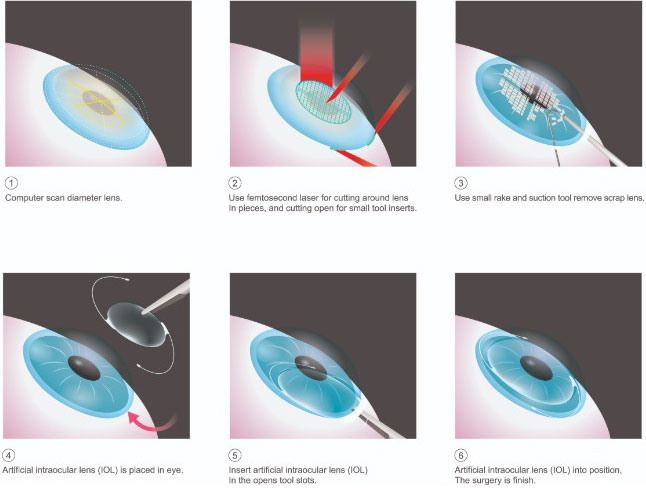
Cataract surgery has advanced a lot in the last few decades and has long ceased to be a relatively simple function of lens replacement. It has become one of the finest instances of synergy between medical innovation and cutting-edge technology, able to endow the patient with restored clarity, customised vision, faster recovery, and well-settled comfort.
Read More
Cataract surgery is a routine procedure that enjoys a superlative success rate: your cloudy natural lens is replaced with a clear artificial lens, dramatically improving vision. Prospective patients usually ask: “Will I still need glasses afterwards?” The answer hinges on various factors—most importantly.
Read More
Cataract surgery is one of the most successful and commonly performed surgical operations on the eyes globally. It establishes the most critical aspect of most people’s lives by restoring sight and brightening up colours, where everyone sees the world in black and white. But amongst all inquiries, the common one concerns an ideal age – Is there a perfect age to have cataract surgery?
Read More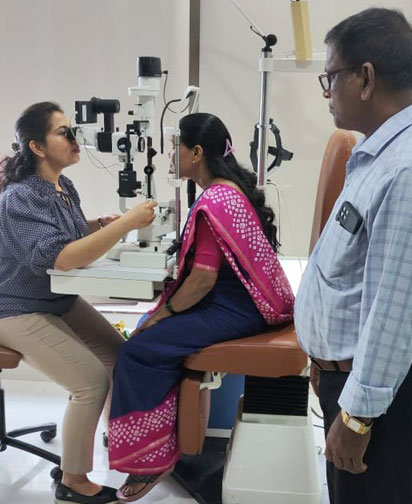
Cataract surgery is one of the most commonly and successfully performed eye surgeries worldwide. The aim is to restore clear vision by removing a naturally cloudy lens and creating a clear artificial one. The whole idea of surgery could frighten anyone. Still, with the knowledge of what is done from pre-operative preparation to the moment you walk out of the hospital, it is easy to set expectations and calm down about things like pain management.
Read More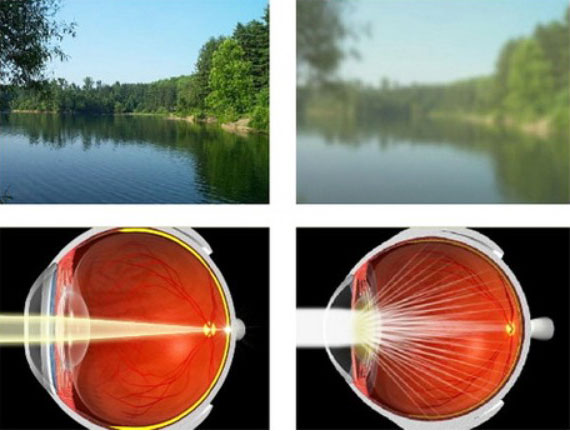
Cataract extraction is the most commonly performed eye procedure worldwide, followed by an excellent success rate. For most individuals, the aftereffects can be life-changing: clearer vision, vibrant colours, and improved quality of life. However, in some cases, after surgery, the patient may go through some rather unusual events during the recovery time. One of the features that makes many patients somewhat apprehensive after surgery is wavy lines or some kind of distortion that appears post-procedure.
Read More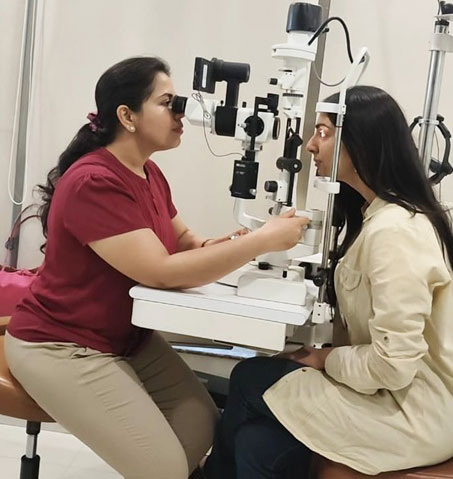
Among the most critical sense organs, your eyes often receive little attention in routine health examinations. Many consider only good vision sufficient; as a result, eye examinations are rarely sought out. Nevertheless, regular eye tests are essential to maintain good eyesight and catch life-threatening health conditions early on.
Read More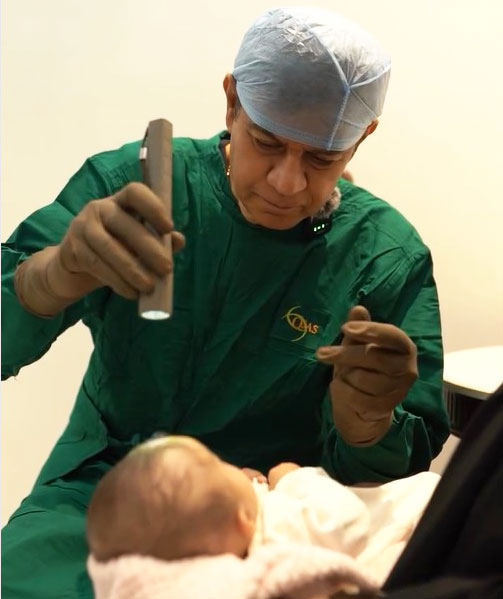
Kids are naturally curious and learn by sight. From face detection to reading, eyes are crucial to overall human development. However, even subtle eye problems may sometimes go unnoticed and later translate into a longer-term problem if not treated early enough. A relatively common number of pediatric eye problems exist, and early diagnosis is key to healthy vision.
Read More
At an age when technology is fast defining the future in healthcare, Artificial Intelligence (AI) is being tagged the crux of revolution, particularly in ophthalmology. Eye care, once entirely dependent on physical examinations and manual evaluations, is now being modified with machine learning, automation, and intelligent algorithms. And this is not the stuff of futurism; it is happening now at hospitals and clinics across the country, including modern ones like Ojas Eye Hospital in Mumbai.
Read More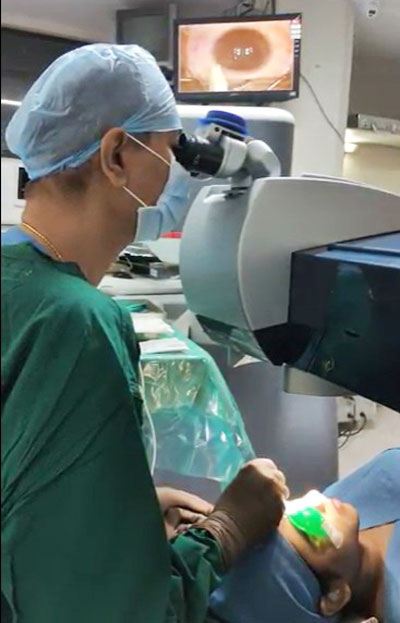
Are you sick and tired of putting on glasses or contacts every single day? If you relate to any of these thought processes, let LASIK (Laser-Assisted In Situ Keratomileusis) be your light at the end of the tunnel. Nowadays, medical advances in ophthalmology and laser treatments.
Read More
The treatment of the sweltering summer day that Mumbai faces, the monsoons bring relief. The positivity is that the rains bring relief and increase susceptibility to eye infections, allergies, and vision problems. Ojas Eye Hospital realises the importance of keeping your eyes in top condition during the rainy season. This all-inclusive guide will cover everything you have ever wanted to know about eye problems during the monsoons, diagnosis, treatment, and prevention, so you can have your rains without sacrificing your vision.
Read More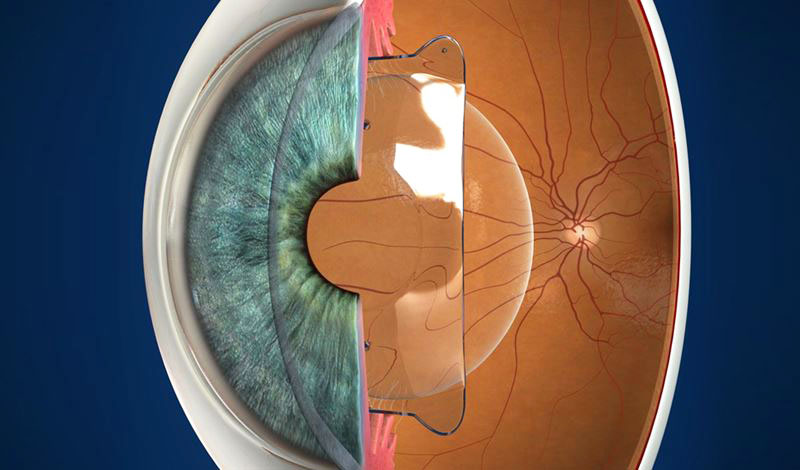
Cataract surgery is gaining ground as one of the most frequently performed and successful surgical procedures worldwide. Within India, cataracts remain the number one cause of preventable blindness. Timely cataract surgery could improve an individual’s life drastically, so before cataract surgery is performed, one of the most contentious decisions is to select the most appropriate intraocular lens (IOL).
Read More
If your child wakes up with eye discomfort, redness, or sensitivity, you might immediately worry about an eye infection or injury. While it may seem like a minor issue to some, these symptoms can indicate two common but very different eye conditions—a scratched cornea (corneal abrasion) or pink eye (conjunctivitis). Both conditions require proper diagnosis and treatment, and that’s where the best ophthalmologist in Mumbai comes in.
Read More
Glaucoma, often called the “silent thief of sight,” is a progressive eye disease that damages the optic nerve, leading to irreversible vision loss if left untreated. Glaucoma usually develops without noticeable symptoms until significant damage has occurred.Nowadays, advancements in medical science have made treatment options available, but prevention is still better than cure.
Read More
In today’s busy life, stress is something most of us face every day. Many people know it can cause tiredness or mood changes, but not everyone knows that stress can also harm our eyes and affect our vision. At Ojas Eye Hospital, we often meet patients who have blurry vision, eye strain, or other eye problems,and stress is sometimes the main reason. As the best eye hospital in Mumbai, we want to help you understand how stress impacts your eye health and how you can take care of it.
Read More
Vision plays an essential role in a child’s development, learning, and interaction with the world. Cortical Visual Impairment (CVI) is now recognized as the leading cause of permanent vision loss and childhood blindness globally, especially in developed and developing countries.Unlike traditional ocular diseases that impact the eyes directly, CVI is a brain-based condition where the eyes may function normally, but the brain struggles to process visual information correctly.
Read More
Your eyes help you see the world, but we often forget to take care of them until something goes wrong. Many people around the world suffer from vision problems that could have been prevented. That’s why it’s important to take simple steps every day to keep your eyes healthy.
Read More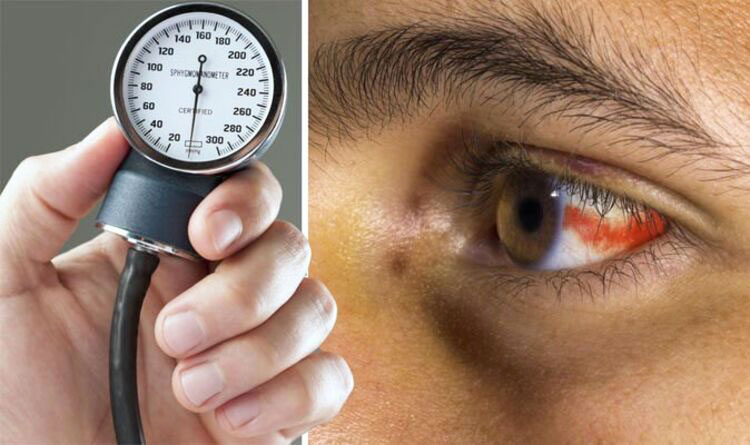
High blood pressure (also called hypertension) is known as a “silent killer” because it can harm your body without any warning signs. Most people know that it affects the heart, kidneys, and brain, but not many realize that it can also damage your eyes and even cause permanent vision loss.
Read More
Contact lenses provide a comfortable and efficient means of enhancing vision without having to wear glasses. Contact lenses are worn daily by millions of individuals all over the world, and many wear them for decades. Contact lenses are safe to wear when properly applied, but prolonged wear — especially over 15 to 20 years — needs extra special care and precaution.
Read More
As we grow older, our eyes adapt in ways that make everyday activities – reading a restaurant menu or sewing—frustrating. If you’re 40 or older and experiencing difficulty seeing up close, you may have presbyopia, a normal ageing process in which the lens in your eye becomes less flexible. Although glasses or contacts can assist.
Read More
For those with mighty spectacle powers, glasses or even LASIK will not be a good solution. If your power is +10 (farsighted) or -10 (nearsighted), getting a solution that provides clear, comfortable, and stable vision will be challenging. That is where Phakic Intraocular Lens (ICL) surgery comes into play as a risk-free, tried-and-proven solution.
Read More
Cataract surgery has been a game-changing surgery for countless patients on the globe. It provides the patient normal vision by eliminating the opaque natural lens of the eye and giving an artificial lens. While traditional cataract surgery has been tested with time to be safe and effective, advanced technology has elevated precision and outcome to new levels.
Read More
If you’re thinking about LASIK eye surgery to ditch glasses or contacts, you’re probably excited to view the world in sharp focus without either. LASIK is a popular procedure that permanently alters the surface of your eye to correct vision problems like nearsightedness, farsightedness, or astigmatism, but before you jump, one crucial step could make all the difference – a retina test.
Read More
When an individual gets cataract surgery or lens exchange surgery, one of the most significant choices they have to make is choosing the type of intraocular lens (IOL) most appropriate for them. This choice decides how well they will be able to see objects at various distances after the surgery. Two of the high-end types of lenses most strongly recommended are the EDOF (Extended Depth of Focus) and the Trifocal lenses.
Read More
Vision is probably the most critical sense, and treatment must begin early when it’s under siege—such as with a tear or deterioration in the retina. One treatment for this is barrage laser surgery. However, many patients and their families panic at hearing the words.
Read More
Penetrating Keratoplasty (PKP), also known as corneal transplant surgery, is an advanced procedure that improves vision by replacing a damaged cornea with a healthy donor cornea. The cornea is the clear, dome-shaped layer at the front of the eye. It helps focus light onto the retina so we can see clearly.
Read More
