

+91-9240214610 (Bandra)
+91-9240214611 (Kandivali)



Vision is highly dependent on a healthy diet providing key nutrients such as vitamin A, antioxidants (vitamin C and E), and omega-3 fatty acids that protect eye tissues and help keep cells functioning well over time. Food can’t fix refractive errors such as nearsightedness (myopia) or make the need for corrective lenses go away. But eating well can go a long way in reducing your risk of major eye diseases.
Read More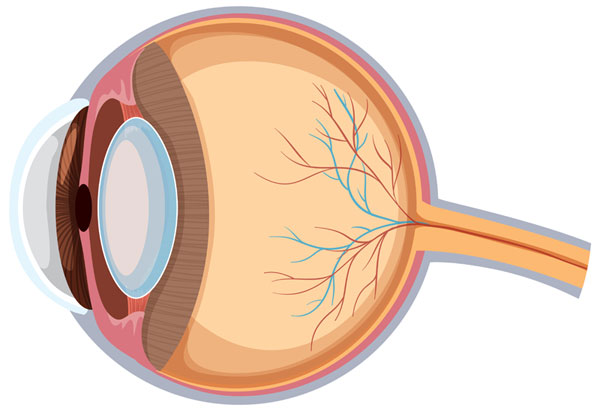
Intraocular pressure (IOP) is the fluid pressure in the eye. Typically, it is measured in millimeters of mercury (mmHg). A normal, healthy range is typically between 10 and 21 mmHg. Normal intraocular pressure (IOP) is important to vision as it protects the optic nerve, keeps the structural shape of the eye, and allows healthy fluid balance.
Read More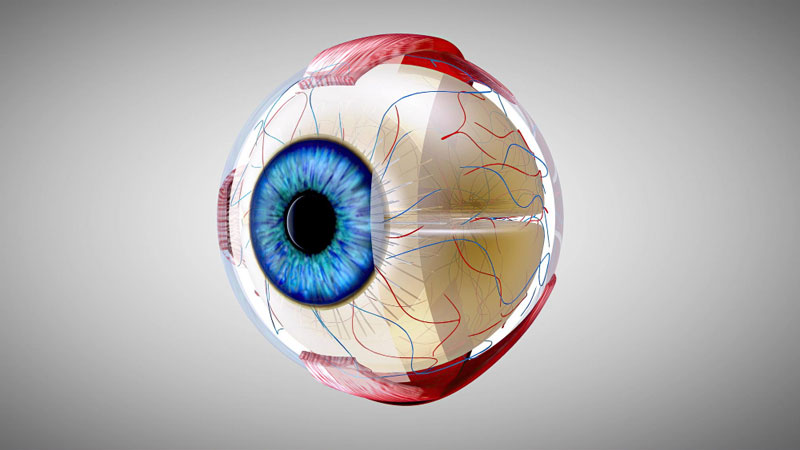
Cataract surgery is the removal of the cloudy eye lens and replacing it with a clear intraocular lens. Ophthalmologists perform cataract surgery aiming at clear vision. However, eye conditions such as Fuchs dystrophy and astigmatism severely complicate the surgical outcomes. Although cataract surgery is one of the safest and most successful procedures.
Read More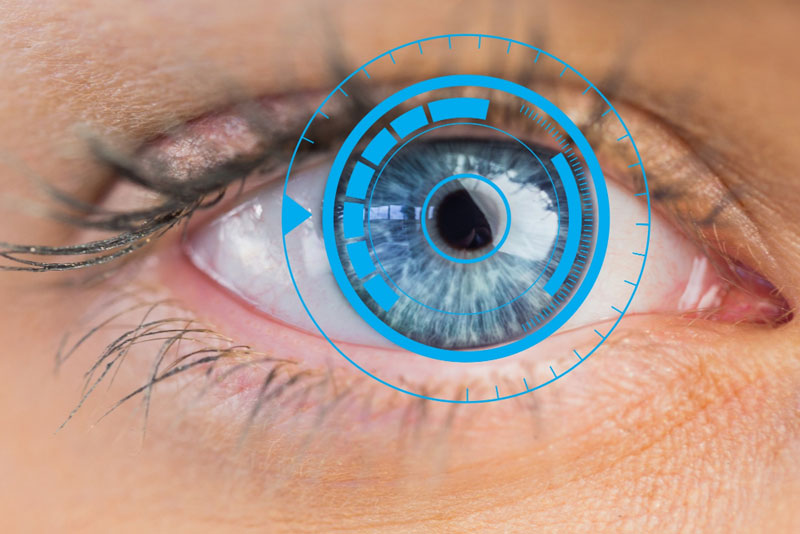
Fuchs’ endothelial dystrophy is a major indication for corneal transplantation. It is a progressive, inherited eye disease where the inner cell layer of the cornea (the endothelium) slowly dies off. Many patients aren’t diagnosed until the condition becomes quite advanced. These endothelial cells normally pump fluid out of the cornea. When they fail, fluid builds up.
Read More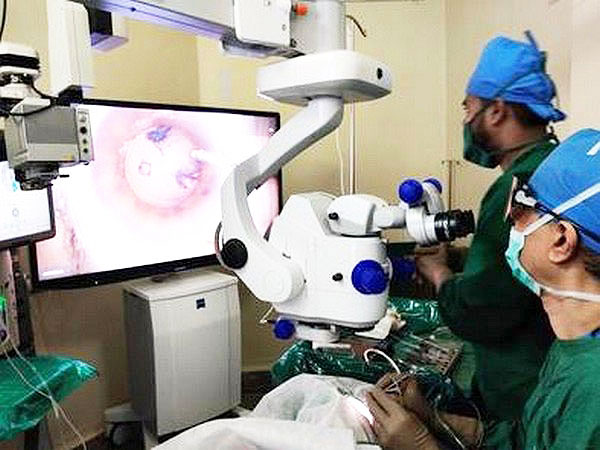
Many patients are worried about the safety of flying after eye surgery. There is a considerable change in pressure, exposure to dry air, and disturbance in the recovery period during air travel. Most eye surgeries permit you to travel afterwards, but the timeframe depends on the kind of surgery and how the patient recovers. Flying too soon after eye surgery can affect your healing.
Read More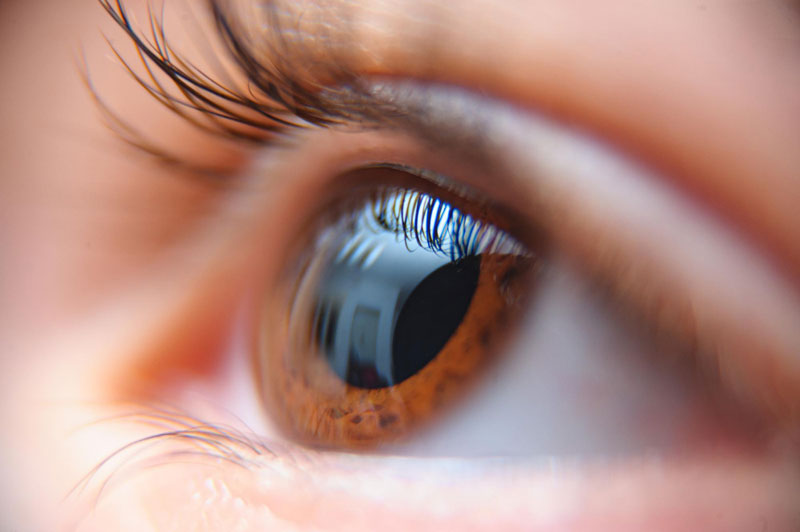
Corneal Allogenic Intrastromal Ring Segments is abbreviated as CAIRS. It is a minimally invasive eye surgery for keratoconus, pellucid marginal degeneration, and post-LASIK ectasia where small, arc-shaped pieces of human donor corneal tissue are inserted into channels in the middle layer of the patient’s cornea to flatten and reshape the bulge.
Read More
