

+91-9240214610 (Bandra)
+91-9240214611 (Kandivali)



September 12, 2026 | Author: Admin
Children’s eyes are constantly growing and developing. That is why eye care during childhood is so important. A child may not always realise that their vision is not clear and some eye problems may not show obvious symptoms in the beginning.
Good eye habits, regular eye check-ups and paying attention to changes in your child’s vision can help them with healthy eyesight. Below are some simple tips shared by your own expert pediatric eye specialist to help parents take better care of their children’s eyes.
We often assume that a child will tell us if they cannot see properly. But this is not always the case. Children may simply become used to the way they see and not realize their vision can be better. Undiagnosed vision problems can make reading, writing, studying and other everyday tasks more difficult. Regularly getting your eyes checked can detect problems early and enable you to get the right care if you need it.
Regular eye examinations are just as important as other health check-ups. Even when your child does not complain about their eyesight, an eye specialist may be able to identify problems such as nearsightedness or lazy eye during an examination. Vision problems are best treated early so they don’t affect your child’s schoolwork or daily activities.
Screens have become a normal part of childhood now, whether for study, entertainment or communication. But long periods of time looking at a screen can lead to eye strain, dryness, blurry vision and headaches. Encourage children to take frequent screen breaks and to play outside and do other activities. A good balance of screen time and time away from devices allows their eyes to rest and refocus.
Healthy eating is good for your eyes too. Try and have a variety of fruits and vegetables in your child’s meals. Vitamin A is in foods like carrots and sweet potatoes, antioxidants are in leafy greens and berries. Omega-3 fatty acids are found in fish and nuts. Rather than focusing on one particular food, aim for a colourful and balanced diet that includes plenty of fruits, vegetables, healthy fats and protein.
Children may spend several hours each day looking at phones, tablets, computers or televisions. Long periods of screen use can reduce blinking, which may leave the eyes feeling dry and irritated. If your child frequently reports tired eyes, headaches or blurred vision after screen use, it is worth taking these symptoms to an eye doctor. It’s also good to spend time outside; children who have more outdoor time have been associated with a lower risk of nearsightedness.
Children love to run, play and take part in sports. Unfortunately, accidents during active play can sometimes cause serious eye injuries. To protect your eyes, wear safety goggles. Sports goggles or helmets with face shields can help protect the eyes from impact, depending on the activity. Eye protection should be part of your child’s safety regimen if they are involved in sports on a regular basis.
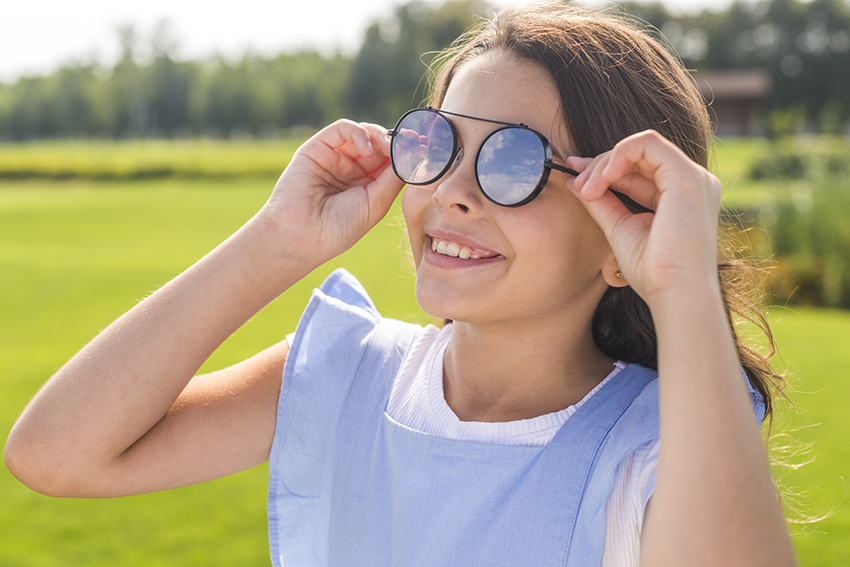
Children’s eyes need protection from excessive sunlight too. Sunglasses that block 100 percent of UV rays and a wide-brimmed hat can help reduce your exposure to harmful ultraviolet rays when you are outdoors. Building sun safety practices in childhood can help promote long-term eye health.
Lighting matters when children are reading, writing or studying. Dim lighting can make it harder for the eyes to focus and may contribute to discomfort or headaches. Very bright or glaring light can make you squint and water, as well. Where possible, natural daylight is a good option. Inside, choose comfortable lighting, evenly distributed, that illuminates the study area without creating harsh shadows or glare.
Children often touch their faces and their eyes without thinking. Germs on unwashed hands can increase your risk of eye infections, such as conjunctivitis (pink eye). Teach your child to wash his or her hands often and not rub his or her eyes with dirty hands. It’s a simple habit but can save your eyes from getting infected.
Sometimes, your child’s eyes may give clues that something is wrong. Look out for signs like:
If you see these changes, it is best to get your child’s eyes checked rather than assuming all will be fine on its own.
Children depend heavily on their vision for learning and everyday activities. When a vision problem goes unnoticed, it can sometimes interfere with reading, schoolwork, coordination and other activities. Parents can do a lot through simple everyday habits. Regular eye examinations, healthy food, sensible screen use, outdoor activities, good lighting and eye protection can all become part of a child’s normal routine.
Most importantly, do not wait for your child to complain about their eyesight rather pay attention to their eye health regularly.
Ojas Maxivision Eye Hospital provides paediatric eye care along with a range of specialised ophthalmic services. The hospital has experienced pediatric ophthalmologists and squint specialists at all its centres in Mumbai.
If you notice changes in your child’s vision, frequent eye rubbing, squinting or difficulty seeing clearly, an eye examination can help determine whether there is a problem that needs attention.
Healthy vision begins with a little attention in childhood today to enjoy a greater confidence tomorrow.

